
Science
Luxury EVs Fail Reliability Test: Porsche Macan Electric Tops List

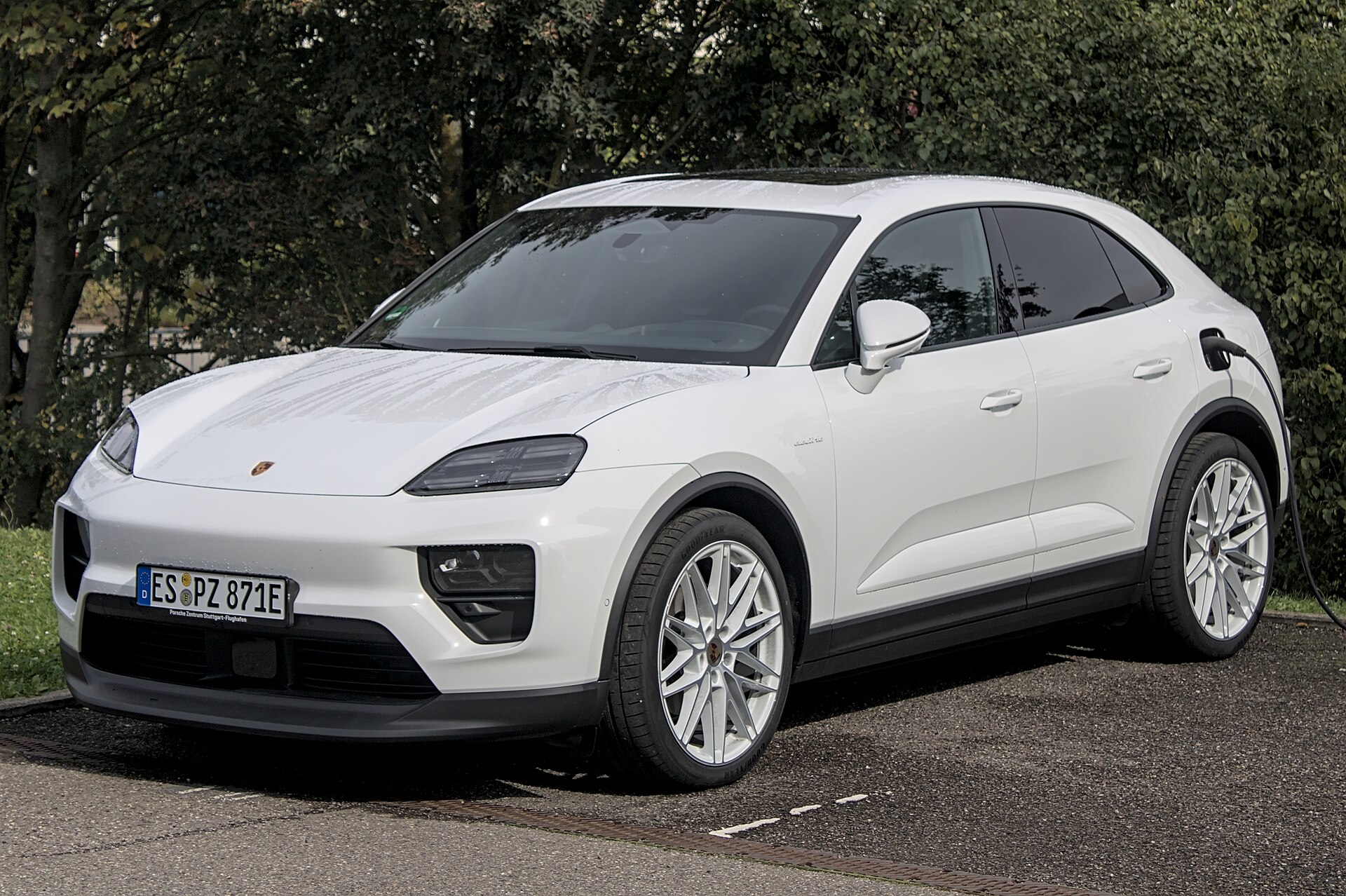
Luxury electric vehicles (EVs) often promise advanced technology and comfort, but some models are falling short on reliability. A recent study by eCarsTrade reveals that certain luxury EVs cause significant problems for their owners, leading to increased online searches for solutions. The Porsche Macan Electric ranks as the least reliable luxury EV, with owners seeking fixes 25 times more frequently than other EV drivers.
Analysis of Reliability Across Luxury EVs
The data analyzed by eCarsTrade focused on owner concerns across 30 luxury electric vehicles sold in the United States. The study assessed how often owners searched online for issues related to their specific car models, using queries like “[model] problems” and “[model] recall.” The findings adjusted for the number of vehicles sold in 2024, allowing for a fair comparison between popular and less common models.
Among the ten most problematic luxury EVs, the Porsche Macan Electric leads the list. Last year, fewer than 2,000 of these cars were sold in America, yet owners searched for fixes approximately 4,990 times each month. This alarming statistic translates to about 28,695 searches for every 10,000 sales, indicating substantial issues with the vehicle.
Complaints regarding the Macan Electric primarily revolve around low-beam headlights that are calibrated too brightly and early visibility problems with the rear-view camera.
Top Problematic Luxury EVs
Following the Porsche Macan Electric, the Jaguar I-Pace ranks second. With 3,304 units sold in 2024, owners conducted around 8,200 searches for solutions. This translates to more than two searches per owner each month, highlighting significant reliability concerns. The main issue involves high-voltage battery overheating, which poses a thermal risk, prompting Jaguar to inspect and potentially replace battery packs to mitigate safety hazards.
The Tesla Model S comes in third, with sales exceeding 12,426 units and over 27,580 monthly searches for issues. This model exhibits the highest raw numbers in problematic complaints, with common issues including suspension failures and steering problems. Tesla typically addresses these concerns through over-the-air software updates or component replacements, yet the volume of searches indicates owner frustration.
Other notable mentions in the list include:
- Audi e-tron: Sold 2,894 units with 2,820 searches for issues. Recalls involved battery cooling and sealing concerns.
- Volvo XC40 Recharge: With 2,995 sales, it had 1,540 searches, primarily due to battery-control software faults.
- Porsche Taycan: Sold 4,747 units, resulting in 1,230 searches due to high-voltage battery and inverter issues.
- BMW iX: Approximately 15,383 units sold generated 2,520 searches related to HV-system recalls.
- Lucid Air: With 10,241 sales, it faced 950 searches, mainly due to front-suspension hardware recalls.
This analysis raises questions about the reliability of luxury electric vehicles, suggesting that manufacturers may still be working to achieve the same standards of dependability found in traditional gasoline-powered cars. As the market for electric vehicles continues to grow, addressing these reliability issues will be crucial for manufacturers to maintain customer satisfaction and brand loyalty.

Meta Plans Major Layoffs as AI Costs Surge

Alberta’s Referendum Could Pave Way for U.S. Statehood

Minooka District 201 Plans Enhanced Bilingual Support for Students

Canmore Approves Multiple Development Permits for New Projects

Remembering Bradly Castillo Shearsmith: A Life of Friendship and Joy

BIS Urges Watchdogs to Integrate Synthetic Risk Transfers in Stress Tests

Teva Transforms: Shifting Focus from Generics to Branded Success

Apple Launches AirPods Max 2 with Enhanced Audio Features

Ontario Ends Funding for Seven Supervised Injection Sites

Toyoake City Proposes Daily Two-Hour Smartphone Use Limit

Pedestrian Fatally Injured in Esquimalt Collision on August 14

B.C. Review Reveals Urgent Need for Rare-Disease Drug Reforms

Dark Adventure Game “Bye Sweet Carole” Set for October Release

Konami Revives Iconic Metal Gear Solid Delta Ahead of Release

Victoria’s Pop-Up Shop Shines Light on B.C.’s Wolf Cull

Jimmy Lai’s Defense Challenges Charges Under National Security Law

Snapmaker U1 Color 3D Printer Redefines Speed and Sustainability

Apple Expands Self-Service Repair Program to Canada
-
 Science11 months ago
Toyoake City Proposes Daily Two-Hour Smartphone Use Limit
-
 Top Stories11 months ago
Pedestrian Fatally Injured in Esquimalt Collision on August 14
-
 Health11 months ago
B.C. Review Reveals Urgent Need for Rare-Disease Drug Reforms
-
 Technology11 months ago
Dark Adventure Game “Bye Sweet Carole” Set for October Release
-
 Technology11 months ago
Konami Revives Iconic Metal Gear Solid Delta Ahead of Release
-
 Lifestyle11 months ago
Victoria’s Pop-Up Shop Shines Light on B.C.’s Wolf Cull
-
 World11 months ago
Jimmy Lai’s Defense Challenges Charges Under National Security Law
-
 Technology11 months ago
Snapmaker U1 Color 3D Printer Redefines Speed and Sustainability
-
 Technology11 months ago
Apple Expands Self-Service Repair Program to Canada
-

 Technology11 months ago
AION Folding Knife: Redefining EDC Design with Premium Materials
-

 Technology11 months ago
Solve Today’s Wordle Challenge: Hints and Answer for August 19
-

 Business11 months ago
Gordon Murray Automotive Unveils S1 LM and Le Mans GTR at Monterey