
Science
Malaysia Suspends Access to Musk’s Grok AI Over Inappropriate Content

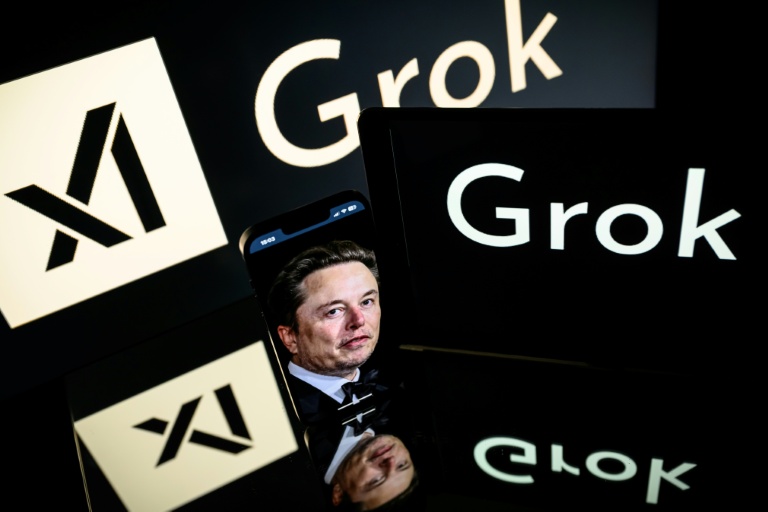
Malaysia has suspended access to Elon Musk’s Grok artificial intelligence chatbot due to concerns over the generation of pornographic content. The decision was announced by the Malaysian Communications and Multimedia Commission (MCMC) on Sunday, following significant global criticism regarding the AI’s image creation capabilities, which allowed users to produce inappropriate images of women and children.
The suspension comes in the wake of Indonesia’s recent move to completely ban access to Grok, marking it as the first country to take such action. Access to the chatbot had already been restricted to paying subscribers in other regions, but the Malaysian regulator deemed this insufficient in addressing the concerns.
According to the MCMC, the directive for a temporary restriction was implemented immediately due to “repeated misuse” of Grok for generating “obscene, sexually explicit, indecent, grossly offensive, and non-consensual manipulated images.” The regulator emphasized that this misuse included content involving minors and women, despite previous engagements and formal notices issued to both Musk’s X Corp. and the xAI startup that developed Grok.
When an AFP reporter tested the chatbot in Kuala Lumpur on Sunday, it failed to respond to prompts, highlighting the immediate impact of the suspension. The MCMC stated that it found the safeguards implemented by the platform to be inadequate. The agency has indicated that access will only be reinstated following verification of necessary changes to the AI’s operations.
The MCMC criticized X Corp. for not sufficiently addressing the risks associated with Grok’s design and functionality, stating that the company relied “primarily on user-initiated reporting mechanisms.” This reliance was deemed inadequate in preventing misuse of the technology.
Internationally, officials and tech advocates have expressed concerns regarding Grok’s controversial features. They argue that the recent restriction to paying subscribers does not adequately address the issue of sexualized deepfakes. In response to the backlash, Grok announced a new monetization policy, indicating that image generation and editing would be limited to its premium subscribers.
As discussions surrounding the ethical implications of AI technology intensify, Malaysia’s move reflects a growing trend among nations to scrutinize and regulate the use of advanced AI tools. The MCMC’s decision underscores the need for robust safeguards to protect individuals, particularly vulnerable groups, from potential exploitation in the digital landscape.
The evolving situation with Grok serves as a pivotal moment in the ongoing conversation about the balance between innovation and responsibility in the realm of artificial intelligence.

Meta Plans Major Layoffs as AI Costs Surge

Alberta’s Referendum Could Pave Way for U.S. Statehood

Minooka District 201 Plans Enhanced Bilingual Support for Students

Canmore Approves Multiple Development Permits for New Projects

Remembering Bradly Castillo Shearsmith: A Life of Friendship and Joy

BIS Urges Watchdogs to Integrate Synthetic Risk Transfers in Stress Tests

Teva Transforms: Shifting Focus from Generics to Branded Success

Apple Launches AirPods Max 2 with Enhanced Audio Features

Ontario Ends Funding for Seven Supervised Injection Sites

Toyoake City Proposes Daily Two-Hour Smartphone Use Limit

Pedestrian Fatally Injured in Esquimalt Collision on August 14

B.C. Review Reveals Urgent Need for Rare-Disease Drug Reforms

Dark Adventure Game “Bye Sweet Carole” Set for October Release

Konami Revives Iconic Metal Gear Solid Delta Ahead of Release

Victoria’s Pop-Up Shop Shines Light on B.C.’s Wolf Cull

Jimmy Lai’s Defense Challenges Charges Under National Security Law

Snapmaker U1 Color 3D Printer Redefines Speed and Sustainability

Apple Expands Self-Service Repair Program to Canada
-
 Science1 year ago
Toyoake City Proposes Daily Two-Hour Smartphone Use Limit
-
 Top Stories1 year ago
Pedestrian Fatally Injured in Esquimalt Collision on August 14
-
 Health1 year ago
B.C. Review Reveals Urgent Need for Rare-Disease Drug Reforms
-
 Technology1 year ago
Dark Adventure Game “Bye Sweet Carole” Set for October Release
-
 Technology1 year ago
Konami Revives Iconic Metal Gear Solid Delta Ahead of Release
-
 Lifestyle1 year ago
Victoria’s Pop-Up Shop Shines Light on B.C.’s Wolf Cull
-
 World1 year ago
Jimmy Lai’s Defense Challenges Charges Under National Security Law
-
 Technology1 year ago
Snapmaker U1 Color 3D Printer Redefines Speed and Sustainability
-
 Technology1 year ago
Apple Expands Self-Service Repair Program to Canada
-

 Technology1 year ago
AION Folding Knife: Redefining EDC Design with Premium Materials
-

 Technology1 year ago
Solve Today’s Wordle Challenge: Hints and Answer for August 19
-

 Business1 year ago
Gordon Murray Automotive Unveils S1 LM and Le Mans GTR at Monterey