
Science
Museums Bring Ancient Egypt to Life with Scents of Mummification

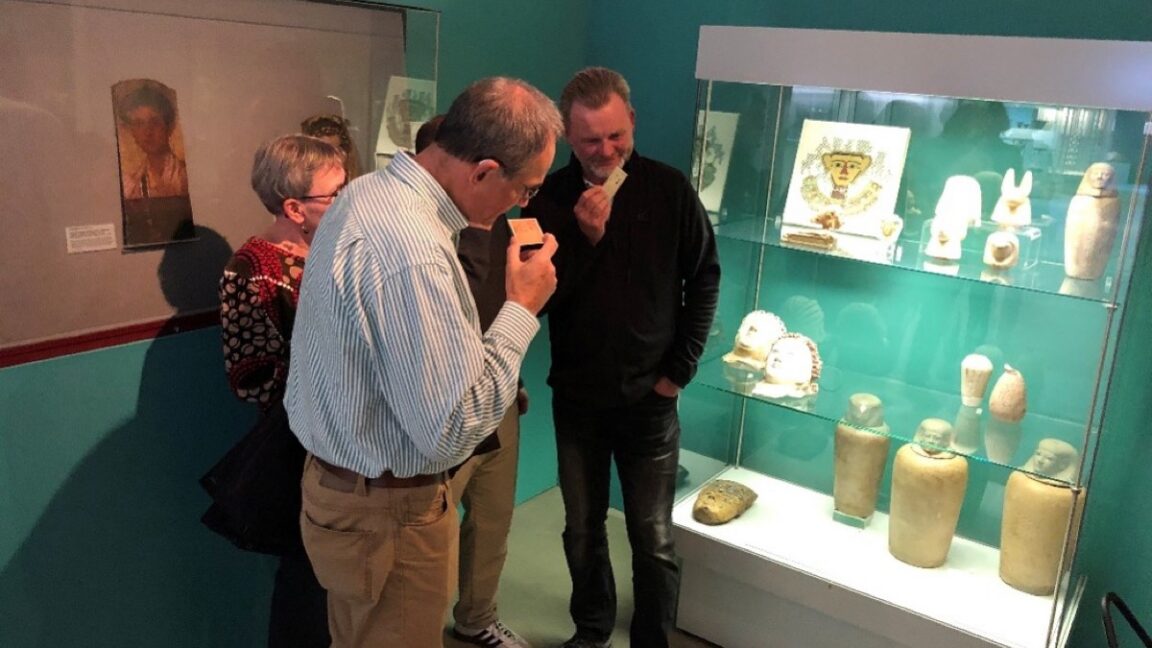
Researchers have successfully recreated the scents used in ancient Egyptian mummification, enriching museum exhibits in Germany and Denmark. In 2023, a team led by Barbara Huber from the Max Planck Institute of Geoanthropology identified complex compounds in the balms utilized for embalming the organs of an ancient Egyptian noblewoman. These findings suggest that the mummification recipes included ingredients not native to the region, offering new insights into historical practices.
Huber’s collaboration with museum curators aims to transform how visitors perceive mummification. By integrating what she calls “the scent of eternity” into exhibits, the team seeks to enhance the educational experience surrounding ancient Egyptian embalming practices. This initiative highlights the long history of mummification, which began as early as the Predynastic Period, when the natural arid climate preserved bodies buried in the desert.
As burial practices evolved, Egyptians began using chemical agents such as natron salt and plant-based resins to enhance the preservation process. The embalming method typically involved removing internal organs, except for the heart, as described by the Greek historian Herodotus. He noted that embalmers would draw out parts of the brain through the nostrils and treat the cavity with various substances before sealing the body with linens and aromatic materials.
The current understanding of these ancient techniques largely relies on texts like the Ritual of Embalming and Herodotus’s Histories. However, few specifics are available regarding the spices, oils, and other components used in the process. Recent scientific advancements in biomolecular analysis, particularly through gas chromatography, have opened new avenues for discovery. A 2018 study utilized gas chromatography-mass spectrometry to analyze organic residues found in mummy wrappings, revealing a blend of plant oils and heated conifer resin.
A recent publication in the Journal of Archaeological Science examined volatile organic compounds related to embalming balms and mummy tissues. The research aimed to differentiate between odors resulting from organic agents and those produced during decay. Huber’s efforts in reconstructing scents have previously included analyzing ancient incense burners from the trade-rich region of Tayma in present-day Saudi Arabia.
Shifting her focus to Egyptian mummification, Huber’s team analyzed residues from embalming balms that accompanied organs in canopic jars. The analysis uncovered a combination of substances, including beeswax, plant oils, and resins from coniferous trees, contributing to a unique fragrance profile. This scent features a blend of pine-like woody notes, sweet beeswax undertones, and a smoky essence from bitumen.
To implement this innovative approach in museums, Huber and her colleagues devised a workflow that bridges scientific findings with perfumery techniques. They collaborated with perfumer Carole Calvez, who crafted a scent suitable for museum environments. Calvez emphasized the importance of translating chemical data into a holistic olfactory experience that captures the complexity of the original materials, rather than simply replicating individual scents.
The project introduced two formats for integrating these scents into museum exhibits. At the Museum August Kestner in Hanover, Germany, a portable scented card enhances guided tours by providing visitors with a sensory connection to the artifacts. Meanwhile, a permanent scent station was established at the Moesgaard Museum in Aarhus, Denmark. Curator Steffen Terp Laursen noted that incorporating scent transformed visitors’ understanding of embalming, adding an emotional depth that text alone could not convey.
This initiative not only enriches the visitor experience but also demonstrates the potential for interdisciplinary collaboration between science and the arts. As museums continue to explore innovative ways to engage audiences, the fusion of history, science, and sensory experiences promises to deepen our understanding of ancient cultures.

Meta Plans Major Layoffs as AI Costs Surge

Alberta’s Referendum Could Pave Way for U.S. Statehood

Minooka District 201 Plans Enhanced Bilingual Support for Students

Canmore Approves Multiple Development Permits for New Projects

Remembering Bradly Castillo Shearsmith: A Life of Friendship and Joy

BIS Urges Watchdogs to Integrate Synthetic Risk Transfers in Stress Tests

Teva Transforms: Shifting Focus from Generics to Branded Success

Apple Launches AirPods Max 2 with Enhanced Audio Features

Ontario Ends Funding for Seven Supervised Injection Sites

Toyoake City Proposes Daily Two-Hour Smartphone Use Limit

Pedestrian Fatally Injured in Esquimalt Collision on August 14

B.C. Review Reveals Urgent Need for Rare-Disease Drug Reforms

Dark Adventure Game “Bye Sweet Carole” Set for October Release

Konami Revives Iconic Metal Gear Solid Delta Ahead of Release

Victoria’s Pop-Up Shop Shines Light on B.C.’s Wolf Cull

Jimmy Lai’s Defense Challenges Charges Under National Security Law

Snapmaker U1 Color 3D Printer Redefines Speed and Sustainability

Apple Expands Self-Service Repair Program to Canada
-
 Science11 months ago
Toyoake City Proposes Daily Two-Hour Smartphone Use Limit
-
 Top Stories11 months ago
Pedestrian Fatally Injured in Esquimalt Collision on August 14
-
 Health11 months ago
B.C. Review Reveals Urgent Need for Rare-Disease Drug Reforms
-
 Technology11 months ago
Dark Adventure Game “Bye Sweet Carole” Set for October Release
-
 Technology11 months ago
Konami Revives Iconic Metal Gear Solid Delta Ahead of Release
-
 Lifestyle11 months ago
Victoria’s Pop-Up Shop Shines Light on B.C.’s Wolf Cull
-
 World11 months ago
Jimmy Lai’s Defense Challenges Charges Under National Security Law
-
 Technology11 months ago
Snapmaker U1 Color 3D Printer Redefines Speed and Sustainability
-
 Technology11 months ago
Apple Expands Self-Service Repair Program to Canada
-

 Technology11 months ago
AION Folding Knife: Redefining EDC Design with Premium Materials
-

 Technology11 months ago
Solve Today’s Wordle Challenge: Hints and Answer for August 19
-

 Business11 months ago
Gordon Murray Automotive Unveils S1 LM and Le Mans GTR at Monterey