
Science
New Study Reveals Benefits of Remote Work for Mental Health

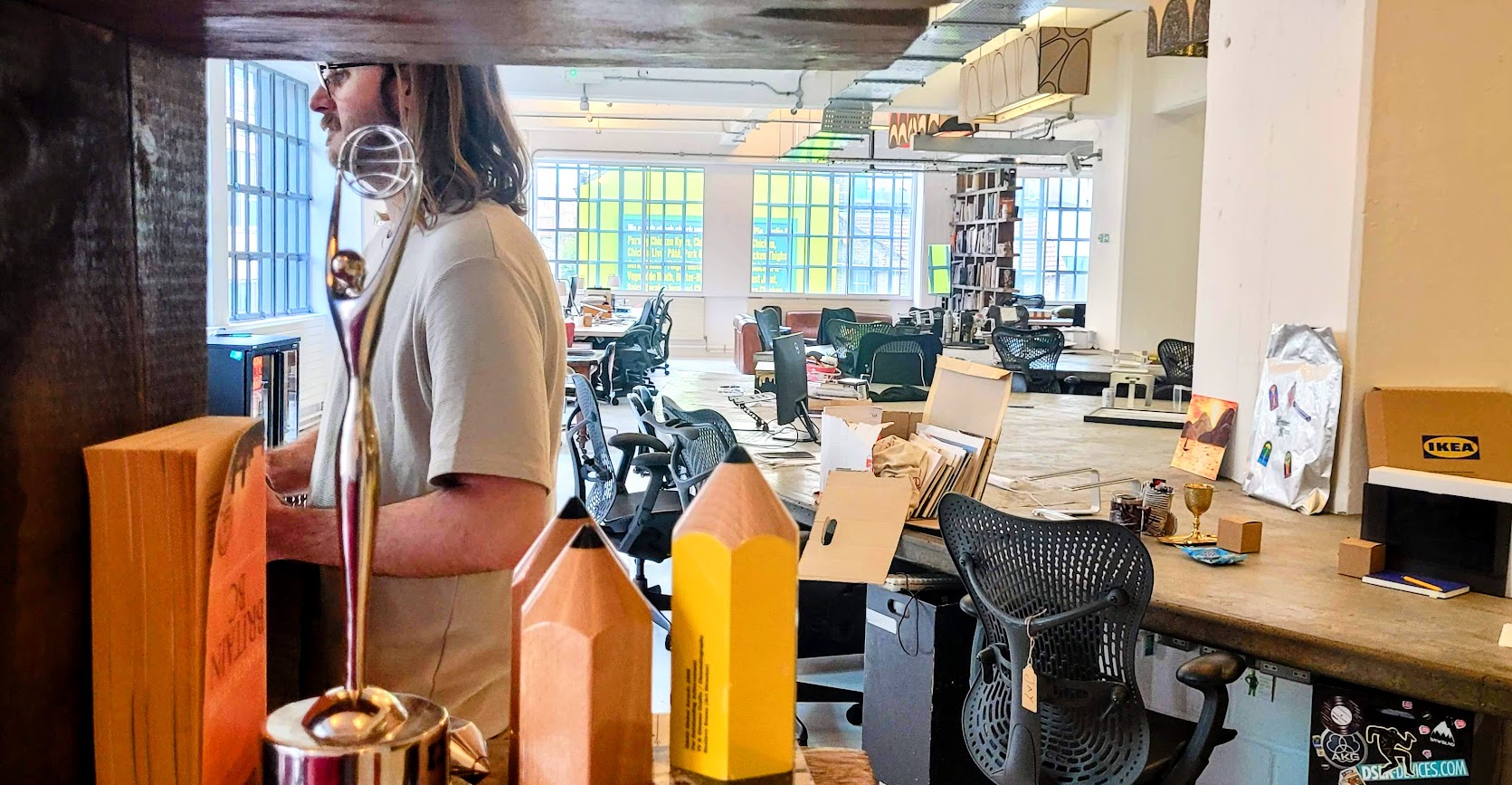
A recent study from Melbourne University has shed light on the positive effects of remote working on mental health. Analyzing two decades of data from the Household, Income and Labour Dynamics in Australia (HILDA) Survey, researchers found significant benefits for individuals working from home, particularly those with pre-existing mental health challenges.
The study intentionally excluded the pandemic period, job losses, and other significant life events to provide a clearer view of remote work’s impact. This focus allows for a more reliable assessment of the long-term effects of remote employment on well-being.
While the findings highlight the advantages of working from home, they also acknowledge important nuances. For instance, the study indicates that remote work benefits those with mental health issues more than those without. However, it raises questions about how to define mental health and the willingness of individuals to disclose such challenges. Mental health awareness has increased over the last two decades, making it crucial to consider how these changes influence workplace dynamics.
The modern workplace is fraught with challenges, including high employee turnover and various stressors that can hinder productivity. Many employees experience significant stress both from their work environment and the rising cost of living. The study points out that commuting remains a major drain on time and energy, with workers often spending around two hours daily traveling to and from their jobs.
Despite these challenges, the research underscores the potential benefits of remote work. Notably, reduced commuting times and improved work-life balance emerged as key advantages for many. This aligns with a broader shift in workplace values, driven in part by the pandemic, which has permanently altered perceptions of remote work.
The implications of the study are significant, especially considering that one in four individuals will face mental health issues at some point in their lives. This statistic highlights the importance of acknowledging mental health in workplace policies. While remote work may not be a perfect solution, it offers a viable alternative for many employees.
As organizations continue to navigate the complexities of modern work environments, the findings from this study provide valuable insights. Remote work arrangements may help address real-world issues that affect employee well-being and productivity. The challenge remains for companies to adapt to these changing dynamics and consider the human and financial costs associated with traditional office settings.
In conclusion, the study from Melbourne University serves as a critical reminder of the need to prioritize mental health in the workplace. With evolving attitudes towards work, businesses must rethink their strategies to create supportive environments that cater to the diverse needs of their workforce. This exploration of remote work not only sheds light on mental health benefits but also prompts a reevaluation of long-standing workplace norms established during the Industrial Revolution.

Meta Plans Major Layoffs as AI Costs Surge

Alberta’s Referendum Could Pave Way for U.S. Statehood

Minooka District 201 Plans Enhanced Bilingual Support for Students

Canmore Approves Multiple Development Permits for New Projects

Remembering Bradly Castillo Shearsmith: A Life of Friendship and Joy

BIS Urges Watchdogs to Integrate Synthetic Risk Transfers in Stress Tests

Teva Transforms: Shifting Focus from Generics to Branded Success

Apple Launches AirPods Max 2 with Enhanced Audio Features

Ontario Ends Funding for Seven Supervised Injection Sites

Toyoake City Proposes Daily Two-Hour Smartphone Use Limit

Pedestrian Fatally Injured in Esquimalt Collision on August 14

B.C. Review Reveals Urgent Need for Rare-Disease Drug Reforms

Dark Adventure Game “Bye Sweet Carole” Set for October Release

Konami Revives Iconic Metal Gear Solid Delta Ahead of Release

Victoria’s Pop-Up Shop Shines Light on B.C.’s Wolf Cull

Jimmy Lai’s Defense Challenges Charges Under National Security Law

Snapmaker U1 Color 3D Printer Redefines Speed and Sustainability

Apple Expands Self-Service Repair Program to Canada
-
 Science12 months ago
Toyoake City Proposes Daily Two-Hour Smartphone Use Limit
-
 Top Stories12 months ago
Pedestrian Fatally Injured in Esquimalt Collision on August 14
-
 Health12 months ago
B.C. Review Reveals Urgent Need for Rare-Disease Drug Reforms
-
 Technology12 months ago
Dark Adventure Game “Bye Sweet Carole” Set for October Release
-
 Technology12 months ago
Konami Revives Iconic Metal Gear Solid Delta Ahead of Release
-
 Lifestyle12 months ago
Victoria’s Pop-Up Shop Shines Light on B.C.’s Wolf Cull
-
 World12 months ago
Jimmy Lai’s Defense Challenges Charges Under National Security Law
-
 Technology12 months ago
Snapmaker U1 Color 3D Printer Redefines Speed and Sustainability
-
 Technology12 months ago
Apple Expands Self-Service Repair Program to Canada
-

 Technology12 months ago
AION Folding Knife: Redefining EDC Design with Premium Materials
-

 Technology12 months ago
Solve Today’s Wordle Challenge: Hints and Answer for August 19
-

 Business12 months ago
Gordon Murray Automotive Unveils S1 LM and Le Mans GTR at Monterey