
Science
North Vancouver Student Develops Solar Device for Remote Clinics

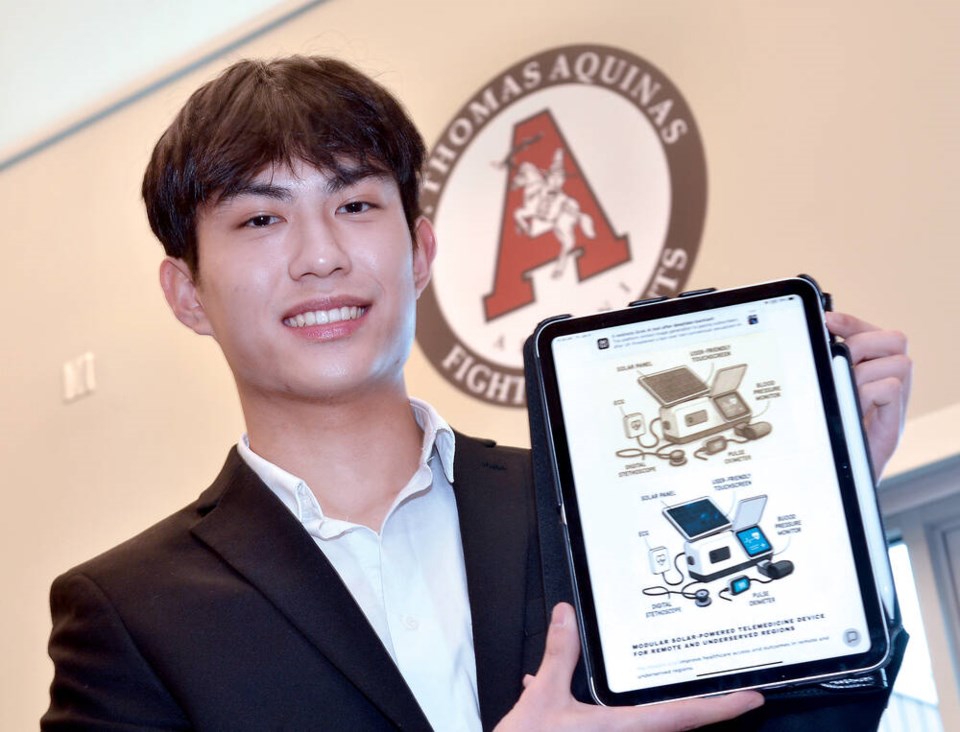
A student from North Vancouver has created an innovative solar-powered medical device aimed at addressing power shortages in remote health-care clinics. Jonathan Weng, a student at St. Thomas Aquinas School, designed the device to provide essential support for health-care workers who often face challenges due to unreliable electricity in these locations.
With frequent power outages impacting services in rural areas, Weng’s invention could prove vital for medical practitioners. The device harnesses solar energy to maintain critical functions, allowing health-care professionals to operate without interruption. This is particularly important for clinics that serve populations with limited access to medical care and resources.
Weng began developing the device as part of a school project in 2023. His motivation stemmed from a desire to make a tangible difference for communities in British Columbia and beyond. He recognized that many remote clinics struggle with the logistics of power supply, which can hinder their ability to provide timely care.
The prototype of Weng’s solar-powered device integrates several features designed for efficiency and practicality. It can charge essential medical equipment, including diagnostic tools and communication devices. By utilizing solar power, the device not only ensures a consistent energy source but also minimizes operational costs for clinics that may be financially constrained.
In a statement, Weng emphasized the importance of accessibility in health care. “I want to help those who are often forgotten in the health-care system. This device can provide a reliable solution for clinics that need it most,” he said. His vision extends beyond mere functionality; he aims to inspire other young innovators to think about how technology can address real-world problems.
Weng’s project has garnered attention from local health organizations and educational institutions. His school has supported his efforts by providing resources and mentorship throughout the development process. As a result, Weng has been invited to present his work at several conferences, showcasing the potential impact of his invention on a broader scale.
The response from health-care professionals has been encouraging. Many have expressed hope that such innovations can lead to improved health outcomes in underserved areas. The device’s design prioritizes user-friendliness, making it accessible for health-care workers who may not have extensive technical training.
As Weng continues to refine his prototype, he plans to conduct field tests in collaboration with local clinics. These tests will help evaluate the device’s effectiveness in real-world conditions and gather feedback from health-care workers. The aim is to enhance the design based on practical usage and ensure that it meets the specific needs of remote clinics.
Weng’s initiative exemplifies the potential of young innovators to contribute to significant advancements in health care. By bridging the gap between technology and accessibility, he is paving the way for future developments that could transform how medical services are delivered in remote areas.
In conclusion, Jonathan Weng is making strides in the intersection of technology and health care, with his solar-powered medical device poised to revolutionize service delivery in areas plagued by power instability. As he moves forward with his project, the hope is that his work will inspire a new generation of inventors dedicated to tackling essential challenges in health care.

Meta Plans Major Layoffs as AI Costs Surge

Alberta’s Referendum Could Pave Way for U.S. Statehood

Minooka District 201 Plans Enhanced Bilingual Support for Students

Canmore Approves Multiple Development Permits for New Projects

Remembering Bradly Castillo Shearsmith: A Life of Friendship and Joy

BIS Urges Watchdogs to Integrate Synthetic Risk Transfers in Stress Tests

Teva Transforms: Shifting Focus from Generics to Branded Success

Apple Launches AirPods Max 2 with Enhanced Audio Features

Ontario Ends Funding for Seven Supervised Injection Sites

Toyoake City Proposes Daily Two-Hour Smartphone Use Limit

Pedestrian Fatally Injured in Esquimalt Collision on August 14

B.C. Review Reveals Urgent Need for Rare-Disease Drug Reforms

Dark Adventure Game “Bye Sweet Carole” Set for October Release

Konami Revives Iconic Metal Gear Solid Delta Ahead of Release

Victoria’s Pop-Up Shop Shines Light on B.C.’s Wolf Cull

Jimmy Lai’s Defense Challenges Charges Under National Security Law

Snapmaker U1 Color 3D Printer Redefines Speed and Sustainability

Apple Expands Self-Service Repair Program to Canada
-
 Science1 year ago
Toyoake City Proposes Daily Two-Hour Smartphone Use Limit
-
 Top Stories1 year ago
Pedestrian Fatally Injured in Esquimalt Collision on August 14
-
 Health1 year ago
B.C. Review Reveals Urgent Need for Rare-Disease Drug Reforms
-
 Technology1 year ago
Dark Adventure Game “Bye Sweet Carole” Set for October Release
-
 Technology1 year ago
Konami Revives Iconic Metal Gear Solid Delta Ahead of Release
-
 Lifestyle1 year ago
Victoria’s Pop-Up Shop Shines Light on B.C.’s Wolf Cull
-
 World1 year ago
Jimmy Lai’s Defense Challenges Charges Under National Security Law
-
 Technology1 year ago
Snapmaker U1 Color 3D Printer Redefines Speed and Sustainability
-
 Technology1 year ago
Apple Expands Self-Service Repair Program to Canada
-

 Technology1 year ago
AION Folding Knife: Redefining EDC Design with Premium Materials
-

 Technology1 year ago
Solve Today’s Wordle Challenge: Hints and Answer for August 19
-

 Business1 year ago
Gordon Murray Automotive Unveils S1 LM and Le Mans GTR at Monterey