
Science
North Vancouver Student Develops Solar-Powered Medical Device

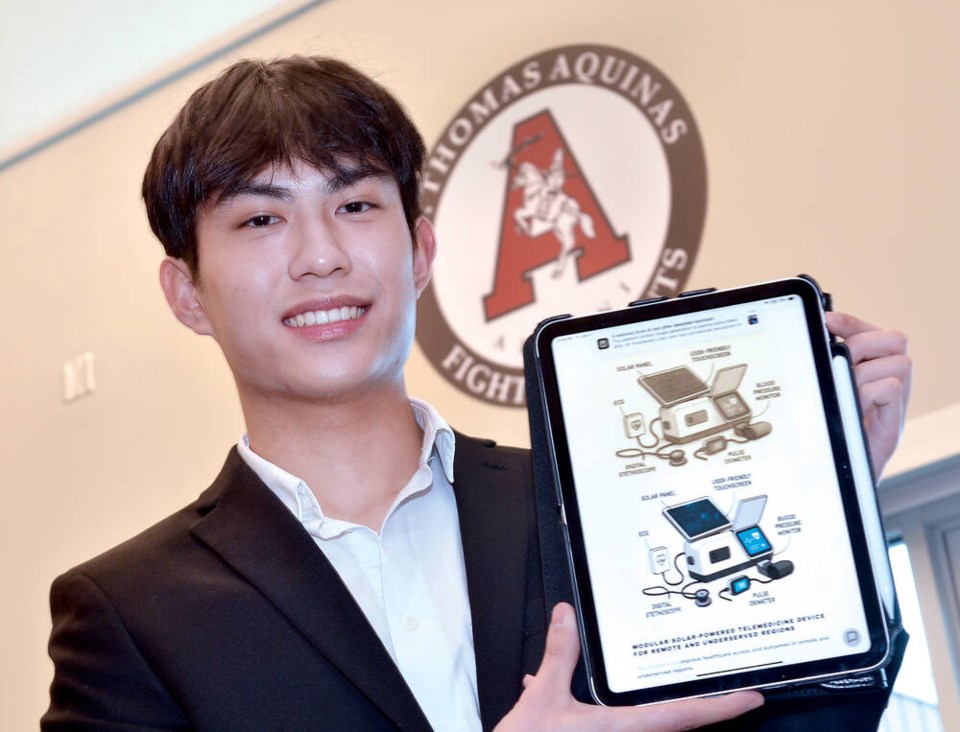
A student from North Vancouver has created an innovative solar-powered medical device aimed at assisting health care workers in remote clinics often affected by power outages. Jonathan Weng, a student at St. Thomas Aquinas School, designed this device to ensure that essential medical equipment remains operational, even in areas with unreliable electricity.
The device is intended for use in clinics and health care settings where power supply is inconsistent, impacting patient care. Weng’s invention addresses a critical need, particularly in developing regions where access to reliable energy sources is limited. By harnessing solar energy, the device provides a sustainable solution to the challenges faced by health care professionals in these environments.
Weng’s project began as part of a science fair initiative. He identified that many clinics in remote areas struggle with equipment failures during power outages, which can delay treatment and affect health outcomes. His device is designed to maintain essential functions, such as lighting and the operation of medical instruments, thereby enhancing the quality of care provided.
The solar-powered device not only promises to improve health care delivery but also aligns with global efforts to promote sustainable energy solutions. By reducing reliance on traditional power sources, it contributes to environmental conservation while simultaneously addressing urgent health care needs.
Weng’s innovation has garnered attention within both local and international communities. It has been showcased at various science fairs and competitions, where it received positive feedback for its potential impact. The young inventor expressed his hope that his creation will inspire others to think creatively about solving real-world problems, particularly in the health care sector.
As Weng continues to refine his design, he aims to collaborate with health care professionals to ensure that the device meets the specific needs of users in remote clinics. His commitment to enhancing health care accessibility highlights the importance of innovation in addressing systemic challenges faced by underserved populations.
In a world increasingly reliant on technology, Weng’s solar-powered medical device stands as a testament to how youthful ingenuity can lead to meaningful change. With further development and potential implementation, this invention could play a significant role in improving health care delivery in remote areas worldwide.

Meta Plans Major Layoffs as AI Costs Surge

Alberta’s Referendum Could Pave Way for U.S. Statehood

Minooka District 201 Plans Enhanced Bilingual Support for Students

Canmore Approves Multiple Development Permits for New Projects

Remembering Bradly Castillo Shearsmith: A Life of Friendship and Joy

BIS Urges Watchdogs to Integrate Synthetic Risk Transfers in Stress Tests

Teva Transforms: Shifting Focus from Generics to Branded Success

Apple Launches AirPods Max 2 with Enhanced Audio Features

Ontario Ends Funding for Seven Supervised Injection Sites

Toyoake City Proposes Daily Two-Hour Smartphone Use Limit

Pedestrian Fatally Injured in Esquimalt Collision on August 14

B.C. Review Reveals Urgent Need for Rare-Disease Drug Reforms

Dark Adventure Game “Bye Sweet Carole” Set for October Release

Konami Revives Iconic Metal Gear Solid Delta Ahead of Release

Victoria’s Pop-Up Shop Shines Light on B.C.’s Wolf Cull

Jimmy Lai’s Defense Challenges Charges Under National Security Law

Snapmaker U1 Color 3D Printer Redefines Speed and Sustainability

Apple Expands Self-Service Repair Program to Canada
-
 Science11 months ago
Toyoake City Proposes Daily Two-Hour Smartphone Use Limit
-
 Top Stories11 months ago
Pedestrian Fatally Injured in Esquimalt Collision on August 14
-
 Health11 months ago
B.C. Review Reveals Urgent Need for Rare-Disease Drug Reforms
-
 Technology11 months ago
Dark Adventure Game “Bye Sweet Carole” Set for October Release
-
 Technology11 months ago
Konami Revives Iconic Metal Gear Solid Delta Ahead of Release
-
 Lifestyle11 months ago
Victoria’s Pop-Up Shop Shines Light on B.C.’s Wolf Cull
-
 World11 months ago
Jimmy Lai’s Defense Challenges Charges Under National Security Law
-
 Technology11 months ago
Snapmaker U1 Color 3D Printer Redefines Speed and Sustainability
-
 Technology11 months ago
Apple Expands Self-Service Repair Program to Canada
-

 Technology11 months ago
AION Folding Knife: Redefining EDC Design with Premium Materials
-

 Technology11 months ago
Solve Today’s Wordle Challenge: Hints and Answer for August 19
-

 Business11 months ago
Gordon Murray Automotive Unveils S1 LM and Le Mans GTR at Monterey