
Science
Nova Scotia and Dalhousie University Launch Natural Gas Initiative

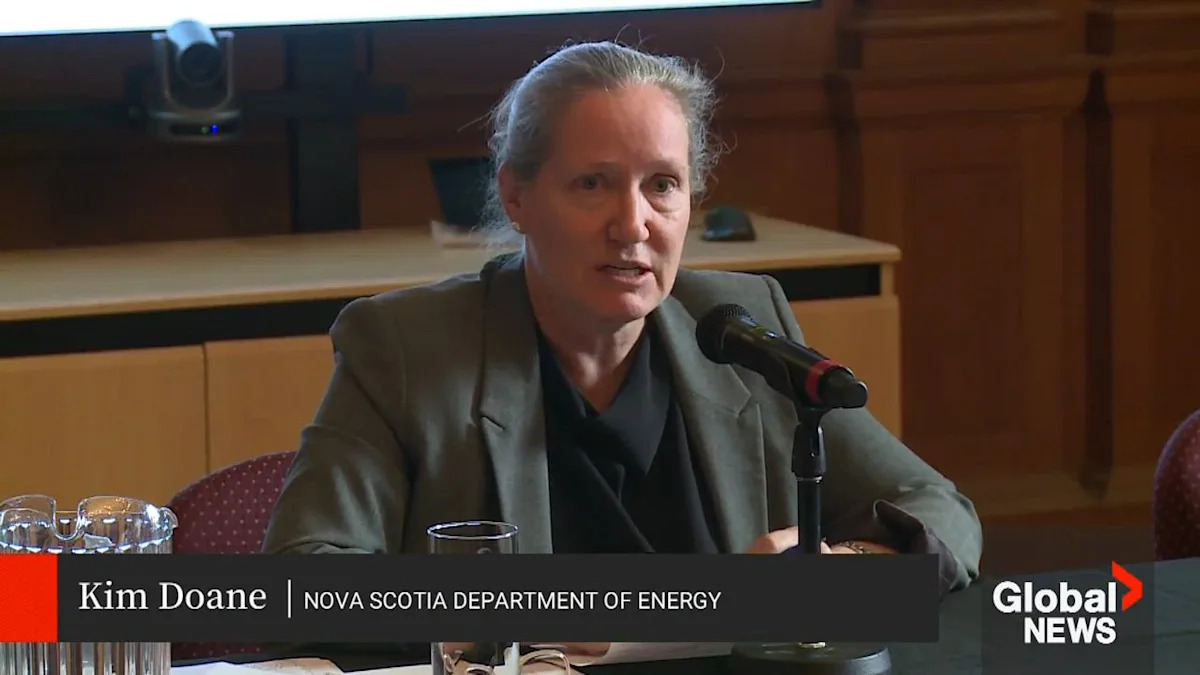
The government of Nova Scotia has engaged Dalhousie University to lead a research initiative aimed at identifying potential sites for natural gas drilling. This collaboration, announced on March 1, 2024, reflects the province’s commitment to developing its own natural gas industry. While the government views this as an opportunity for economic growth and energy independence, critics argue it could have detrimental environmental impacts.
As part of the program, Dalhousie University will utilize its expertise in geosciences to conduct comprehensive studies on the geological formations of the province. These studies are intended to pinpoint the most viable locations for drilling operations. The Nova Scotia government believes that harnessing local natural gas resources could create jobs and stimulate economic activity in the region.
Controversy Surrounds Natural Gas Development
The initiative has sparked considerable debate among environmentalists and community activists. Some, including local advocacy groups, contend that developing a natural gas industry contradicts efforts to transition towards renewable energy sources. They emphasize that the extraction process is often associated with significant ecological risks, including water contamination and greenhouse gas emissions.
Mitchell Bailey, a regional environmental advocate, voiced concerns about the implications of this partnership. He stated, “Investing in fossil fuels at a time when we should be focusing on sustainable energy solutions is a misguided step for Nova Scotia.” Critics argue that the province should prioritize investments in renewable energy technologies rather than fossil fuel exploration.
Supporters of the initiative counter that natural gas can serve as a bridge fuel during the transition to renewable energy. They assert that it is a cleaner alternative to coal and can help reduce overall carbon emissions in the short term. The Nova Scotia government has echoed these sentiments, suggesting that responsible natural gas extraction could align with climate goals while supporting economic growth.
Future Prospects and Economic Implications
The research program is expected to take approximately 18 months to complete, after which the findings will be presented to the government to inform future policy decisions. Should the research identify promising drilling sites, the Nova Scotia government may pursue further partnerships with private companies to advance the development of the natural gas industry.
The financial implications of this initiative could be significant. The province has indicated that the natural gas sector could potentially contribute millions of dollars to the local economy through job creation and increased tax revenues. However, critics warn that the long-term environmental costs might outweigh these economic benefits.
As the research progresses, Nova Scotia will face increasing pressure to balance economic development with environmental stewardship. The outcome of this collaboration with Dalhousie University will likely set the tone for future energy policies in the province and could influence public opinion on natural gas development in Canada.
In the coming months, stakeholders from various sectors will be closely monitoring the developments of this initiative, which could have far-reaching implications for Nova Scotia’s energy landscape.

Meta Plans Major Layoffs as AI Costs Surge

Alberta’s Referendum Could Pave Way for U.S. Statehood

Minooka District 201 Plans Enhanced Bilingual Support for Students

Canmore Approves Multiple Development Permits for New Projects

Remembering Bradly Castillo Shearsmith: A Life of Friendship and Joy

BIS Urges Watchdogs to Integrate Synthetic Risk Transfers in Stress Tests

Teva Transforms: Shifting Focus from Generics to Branded Success

Apple Launches AirPods Max 2 with Enhanced Audio Features

Ontario Ends Funding for Seven Supervised Injection Sites

Toyoake City Proposes Daily Two-Hour Smartphone Use Limit

Pedestrian Fatally Injured in Esquimalt Collision on August 14

B.C. Review Reveals Urgent Need for Rare-Disease Drug Reforms

Dark Adventure Game “Bye Sweet Carole” Set for October Release

Konami Revives Iconic Metal Gear Solid Delta Ahead of Release

Victoria’s Pop-Up Shop Shines Light on B.C.’s Wolf Cull

Jimmy Lai’s Defense Challenges Charges Under National Security Law

Snapmaker U1 Color 3D Printer Redefines Speed and Sustainability

Apple Expands Self-Service Repair Program to Canada
-
 Science11 months ago
Toyoake City Proposes Daily Two-Hour Smartphone Use Limit
-
 Top Stories11 months ago
Pedestrian Fatally Injured in Esquimalt Collision on August 14
-
 Health11 months ago
B.C. Review Reveals Urgent Need for Rare-Disease Drug Reforms
-
 Technology11 months ago
Dark Adventure Game “Bye Sweet Carole” Set for October Release
-
 Technology11 months ago
Konami Revives Iconic Metal Gear Solid Delta Ahead of Release
-
 Lifestyle11 months ago
Victoria’s Pop-Up Shop Shines Light on B.C.’s Wolf Cull
-
 World11 months ago
Jimmy Lai’s Defense Challenges Charges Under National Security Law
-
 Technology11 months ago
Snapmaker U1 Color 3D Printer Redefines Speed and Sustainability
-
 Technology11 months ago
Apple Expands Self-Service Repair Program to Canada
-

 Technology11 months ago
AION Folding Knife: Redefining EDC Design with Premium Materials
-

 Technology11 months ago
Solve Today’s Wordle Challenge: Hints and Answer for August 19
-

 Business11 months ago
Gordon Murray Automotive Unveils S1 LM and Le Mans GTR at Monterey