
Science
Nova Scotia Partners with Dalhousie University for Natural Gas Research

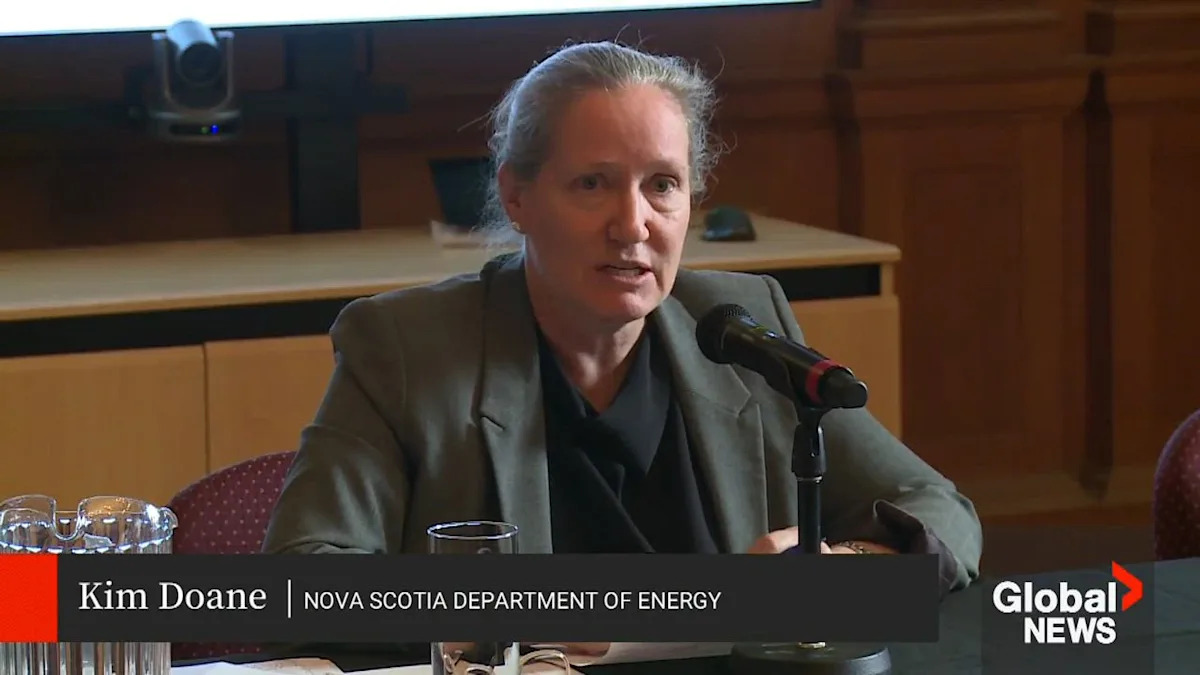
The Nova Scotia government has engaged with Dalhousie University to lead a research initiative aimed at identifying potential sites for natural gas drilling across the province. This partnership marks a significant development in Nova Scotia’s energy strategy as officials explore the viability of a domestic natural gas industry.
Critics of the initiative argue that this move could be detrimental to the province’s environmental goals. According to local environmental advocacy groups, the focus on natural gas drilling contradicts ongoing efforts to transition towards renewable energy sources. The debates surrounding this program reflect broader concerns about balancing economic development with environmental sustainability.
Mitchell Bailey, a local journalist, has reported that the research program is expected to commence in the coming months, although specific timelines have yet to be disclosed. Stakeholders are keenly observing how this partnership will unfold, especially in light of Nova Scotia’s commitment to reducing greenhouse gas emissions by 53% by 2030.
Concerns Over Environmental Impact
Opponents of natural gas drilling have raised alarms about the potential ecological consequences. They argue that the extraction process can lead to habitat destruction, water contamination, and increased carbon emissions. Sarah McDonald, a spokesperson for a local environmental organization, stated, “Investing in fossil fuels at this juncture is not only a step backward but also risks undermining our climate commitments.”
Supporters, however, contend that developing a natural gas sector could provide economic benefits, including job creation and energy independence. They assert that with proper regulations and oversight, natural gas could serve as a transitional fuel while renewable energy infrastructure is being developed.
The Nova Scotia government has highlighted that the research will include assessments of the economic potential of natural gas, alongside environmental impact studies. This comprehensive approach aims to ensure that any future developments are aligned with the province’s long-term energy goals.
Future Prospects for Natural Gas in Nova Scotia
As the partnership between the Nova Scotia government and Dalhousie University progresses, the implications for the province could be significant. If successful, this initiative may pave the way for a new industry, potentially attracting investments and enhancing local economies.
The research program will not only focus on geological assessments but also on public sentiment regarding natural gas extraction. Gathering community input is vital, as residents express varied opinions on the balance between economic growth and environmental protection.
While discussions continue, key decisions about the future of natural gas in Nova Scotia remain on the horizon. The outcomes of the research initiative will ultimately shape the province’s energy landscape and its commitment to sustainable practices. As the situation develops, stakeholders from all sides are poised to engage in a dialogue that will influence Nova Scotia’s energy future for years to come.

Meta Plans Major Layoffs as AI Costs Surge

Alberta’s Referendum Could Pave Way for U.S. Statehood

Minooka District 201 Plans Enhanced Bilingual Support for Students

Canmore Approves Multiple Development Permits for New Projects

Remembering Bradly Castillo Shearsmith: A Life of Friendship and Joy

BIS Urges Watchdogs to Integrate Synthetic Risk Transfers in Stress Tests

Teva Transforms: Shifting Focus from Generics to Branded Success

Apple Launches AirPods Max 2 with Enhanced Audio Features

Ontario Ends Funding for Seven Supervised Injection Sites

Toyoake City Proposes Daily Two-Hour Smartphone Use Limit

Pedestrian Fatally Injured in Esquimalt Collision on August 14

B.C. Review Reveals Urgent Need for Rare-Disease Drug Reforms

Dark Adventure Game “Bye Sweet Carole” Set for October Release

Konami Revives Iconic Metal Gear Solid Delta Ahead of Release

Victoria’s Pop-Up Shop Shines Light on B.C.’s Wolf Cull

Jimmy Lai’s Defense Challenges Charges Under National Security Law

Snapmaker U1 Color 3D Printer Redefines Speed and Sustainability

Apple Expands Self-Service Repair Program to Canada
-
 Science12 months ago
Toyoake City Proposes Daily Two-Hour Smartphone Use Limit
-
 Top Stories12 months ago
Pedestrian Fatally Injured in Esquimalt Collision on August 14
-
 Health12 months ago
B.C. Review Reveals Urgent Need for Rare-Disease Drug Reforms
-
 Technology11 months ago
Dark Adventure Game “Bye Sweet Carole” Set for October Release
-
 Technology12 months ago
Konami Revives Iconic Metal Gear Solid Delta Ahead of Release
-
 Lifestyle12 months ago
Victoria’s Pop-Up Shop Shines Light on B.C.’s Wolf Cull
-
 World12 months ago
Jimmy Lai’s Defense Challenges Charges Under National Security Law
-
 Technology12 months ago
Snapmaker U1 Color 3D Printer Redefines Speed and Sustainability
-
 Technology12 months ago
Apple Expands Self-Service Repair Program to Canada
-

 Technology12 months ago
AION Folding Knife: Redefining EDC Design with Premium Materials
-

 Technology12 months ago
Solve Today’s Wordle Challenge: Hints and Answer for August 19
-

 Business12 months ago
Gordon Murray Automotive Unveils S1 LM and Le Mans GTR at Monterey