
Science
Over 400 Indonesians Freed from Scam Networks in Cambodia

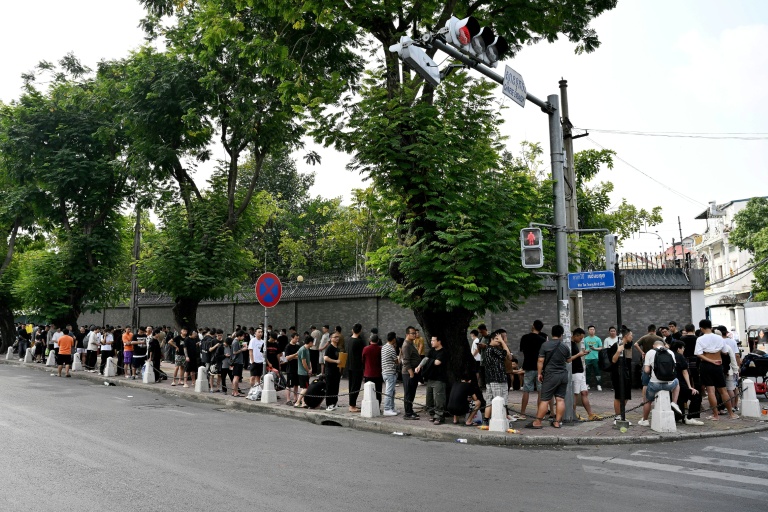
More than 400 Indonesians were liberated from cyber scam networks in Cambodia this month, as reported by Jakarta on January 15, 2024. The Cambodian government has intensified its crackdown on these illicit operations following the arrest of a key figure in the scam industry. Scammers operating from various hubs across Southeast Asia have exploited individuals globally, drawing them into fraudulent romance schemes and cryptocurrency investments, which reportedly generate tens of billions of dollars annually.
In recent weeks, hundreds of foreign nationals have departed from suspected scam compounds in Cambodia. The government has vowed to “eliminate” issues tied to the online fraud sector, which the United Nations estimates employs around 100,000 people in Cambodia alone. According to Santo Darmosumarto, Indonesia’s ambassador to Cambodia, recent law enforcement actions led to many scam syndicates releasing their workers. In a video shared on social media, he stated that between January 1 and January 18, 440 Indonesians approached the embassy in Phnom Penh after being freed from these networks.
As the crackdown continues, Santo noted that the embassy anticipates additional individuals seeking assistance from the provinces. Many of those who arrived at the embassy were involved in scams for varying durations. Some had their passports confiscated by the syndicates, while others retained their documents but faced issues related to overstaying their visas.
The embassy is prepared to expedite the repatriation process, directing all Indonesians to return home independently. Santo also cautioned against involvement in illegal activities abroad, highlighting the risks associated with such engagements.
Experiences of the Freed Individuals
On the morning of January 15, dozens of individuals lined up outside the Indonesian embassy in Phnom Penh. One 18-year-old from Sumatra shared that he had escaped from a compound in Bavet City, located near the Cambodian-Vietnamese border, where he was coerced into scamming people online for eight months without any pay, despite being promised $600 per month.
He arrived in Phnom Penh the day before and sought assistance in obtaining a new passport, stating that his original document was in the possession of a “Chinese boss.” He explained that the syndicate released everyone when they learned police were approaching the compound.
Additionally, approximately 100 people were observed queueing outside the Chinese embassy in Phnom Penh later that day. Those approached by reporters declined to comment. China’s foreign ministry spokesman, Guo Jiakun, affirmed during a regular briefing that Beijing prioritizes the safety of its citizens abroad.
This month, Cambodia also arrested and deported Chen Zhi, a Chinese-born tycoon accused of orchestrating internet scam operations from within the country. Chen, who previously served as a government advisor in Cambodia, was indicted by U.S. authorities in October 2023.
The recent developments highlight the ongoing struggle against cybercrime in the region, as governments work to dismantle these networks and provide support for those affected. The Indonesian embassy, now on high alert, is taking measures to ensure the safe return of its citizens while navigating the complexities of international law and the realities of human trafficking.

Meta Plans Major Layoffs as AI Costs Surge

Alberta’s Referendum Could Pave Way for U.S. Statehood

Minooka District 201 Plans Enhanced Bilingual Support for Students

Canmore Approves Multiple Development Permits for New Projects

Remembering Bradly Castillo Shearsmith: A Life of Friendship and Joy

BIS Urges Watchdogs to Integrate Synthetic Risk Transfers in Stress Tests

Teva Transforms: Shifting Focus from Generics to Branded Success

Apple Launches AirPods Max 2 with Enhanced Audio Features

Ontario Ends Funding for Seven Supervised Injection Sites

Toyoake City Proposes Daily Two-Hour Smartphone Use Limit

Pedestrian Fatally Injured in Esquimalt Collision on August 14

B.C. Review Reveals Urgent Need for Rare-Disease Drug Reforms

Dark Adventure Game “Bye Sweet Carole” Set for October Release

Konami Revives Iconic Metal Gear Solid Delta Ahead of Release

Victoria’s Pop-Up Shop Shines Light on B.C.’s Wolf Cull

Jimmy Lai’s Defense Challenges Charges Under National Security Law

Snapmaker U1 Color 3D Printer Redefines Speed and Sustainability

Apple Expands Self-Service Repair Program to Canada
-
 Science11 months ago
Toyoake City Proposes Daily Two-Hour Smartphone Use Limit
-
 Top Stories11 months ago
Pedestrian Fatally Injured in Esquimalt Collision on August 14
-
 Health11 months ago
B.C. Review Reveals Urgent Need for Rare-Disease Drug Reforms
-
 Technology11 months ago
Dark Adventure Game “Bye Sweet Carole” Set for October Release
-
 Technology11 months ago
Konami Revives Iconic Metal Gear Solid Delta Ahead of Release
-
 Lifestyle11 months ago
Victoria’s Pop-Up Shop Shines Light on B.C.’s Wolf Cull
-
 World11 months ago
Jimmy Lai’s Defense Challenges Charges Under National Security Law
-
 Technology11 months ago
Snapmaker U1 Color 3D Printer Redefines Speed and Sustainability
-
 Technology11 months ago
Apple Expands Self-Service Repair Program to Canada
-

 Technology11 months ago
AION Folding Knife: Redefining EDC Design with Premium Materials
-

 Technology11 months ago
Solve Today’s Wordle Challenge: Hints and Answer for August 19
-

 Business11 months ago
Gordon Murray Automotive Unveils S1 LM and Le Mans GTR at Monterey