
Science
Scientists Uncover Nanoscale Secrets Behind Kingfisher Feathers’ Color

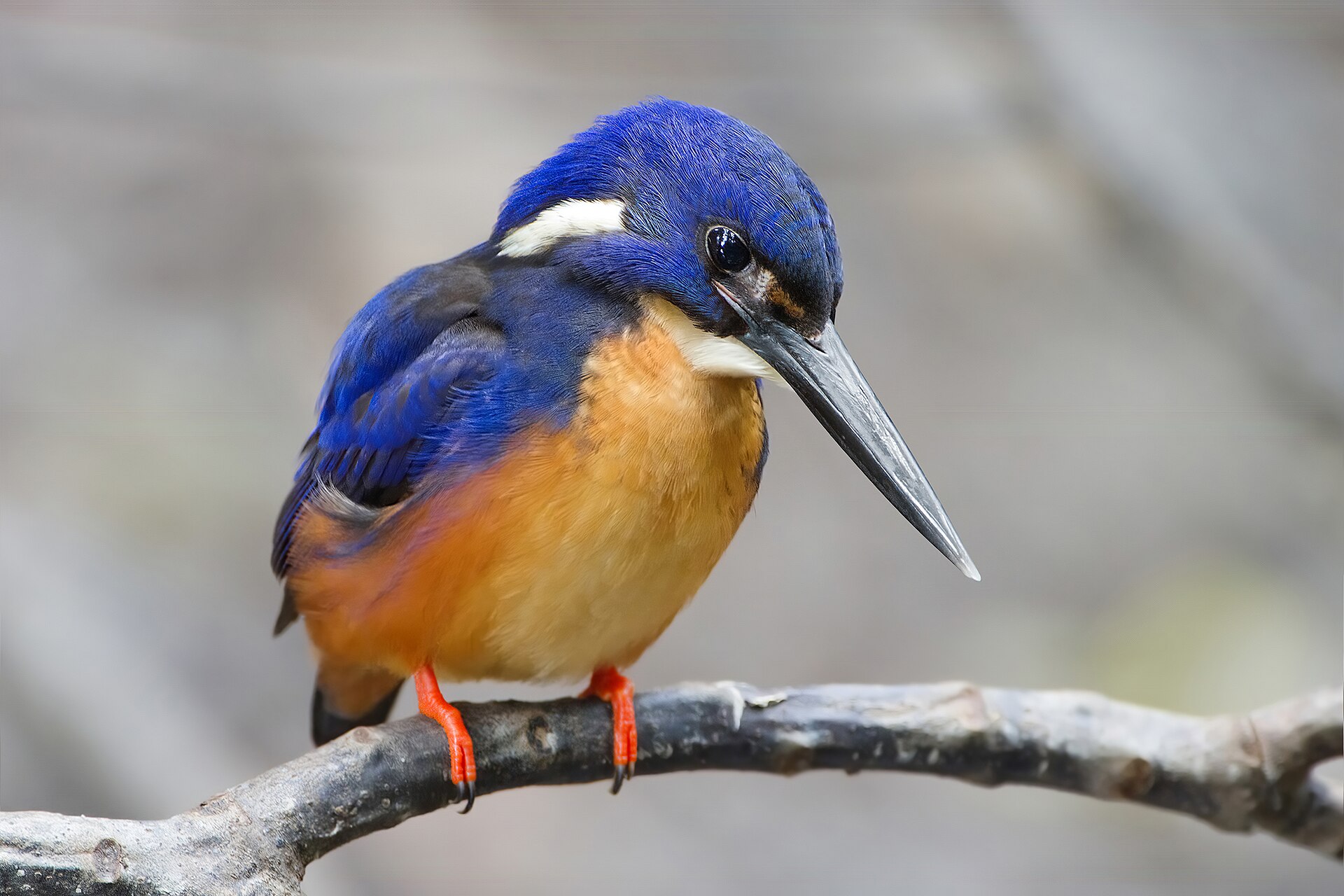
Kingfisher feathers have long captivated artists for their striking blue hues, but recent scientific investigations have revealed the underlying nanoscale structures that create these vibrant colors. Researchers from Northwestern University employed advanced synchrotron X-ray methodologies and nanotechnology-based analytical methods to explore the unique architecture of these feathers, advancing our understanding of historical materials and their applications in art.
The research, led by Maria Kokkori, an associate research professor of electrical and computer science at Northwestern, was presented during a panel discussion at the American Association for the Advancement of Science (AAAS) annual meeting in Phoenix, Arizona, on February 14, 2024. Kokkori’s presentation, titled “Nature’s Nanotech: Structural Color in Chinese Featherworks,” focused on how the structure of kingfisher feathers, rather than pigments, is responsible for their brilliant coloration.
Understanding Structural Coloration
Kingfishers are known for their vivid blue and orange plumage, commonly found near water bodies where they hunt for fish. However, many species also inhabit terrestrial environments, feeding on small invertebrates. The optical brilliance of their feathers arises from a phenomenon known as structural coloration, where microscopic features within the feathers interact with light to produce vivid colors. This contrasts with typical coloring methods that rely on pigments.
Kokkori explained, “Long admired in Chinese poetry and art, kingfisher feathers have amazing optical properties. Our discoveries not only enhance our understanding of historical materials but also reshape how we think about artistic and scientific innovation, and the future of sustainable materials.”
The research team investigated various cultural heritage objects, including tian-tsui screens from Qing China, which incorporate iridescent kingfisher feathers. Artisans utilized the tian-tsui technique by cutting and orienting feather fragments to maximize their interaction with light, enhancing the dazzling blue hues. This artistic practice harnessed complex optical effects long before modern science could elucidate them.
Revealing Nanoscale Architecture
The detailed analysis of kingfisher feathers revealed that their nanostructures are sponge-like, which play a crucial role in reflecting and scattering light. Although these structures do not possess inherent colors, they create shimmering effects that are perceived as vibrant hues by the human eye. This discovery not only sheds light on the materials used in historical art but also opens avenues for innovative applications in sustainable design and materials science.
Kokkori’s work emphasizes the intersection of art and science, highlighting how ancient techniques were informed by natural phenomena. The insights gained from this research can inform contemporary practices and improve material sustainability in artistic production.
As the study continues to unfold, it promises to deepen our appreciation for the intricate relationships between nature, culture, and technology, ultimately enriching our understanding of both historical and modern artistic endeavors. The implications of this research extend beyond mere aesthetics, encouraging a re-evaluation of the materials we use and their impact on our environment.

Meta Plans Major Layoffs as AI Costs Surge

Alberta’s Referendum Could Pave Way for U.S. Statehood

Minooka District 201 Plans Enhanced Bilingual Support for Students

Canmore Approves Multiple Development Permits for New Projects

Remembering Bradly Castillo Shearsmith: A Life of Friendship and Joy

BIS Urges Watchdogs to Integrate Synthetic Risk Transfers in Stress Tests

Teva Transforms: Shifting Focus from Generics to Branded Success

Apple Launches AirPods Max 2 with Enhanced Audio Features

Ontario Ends Funding for Seven Supervised Injection Sites

Toyoake City Proposes Daily Two-Hour Smartphone Use Limit

Pedestrian Fatally Injured in Esquimalt Collision on August 14

B.C. Review Reveals Urgent Need for Rare-Disease Drug Reforms

Dark Adventure Game “Bye Sweet Carole” Set for October Release

Konami Revives Iconic Metal Gear Solid Delta Ahead of Release

Victoria’s Pop-Up Shop Shines Light on B.C.’s Wolf Cull

Jimmy Lai’s Defense Challenges Charges Under National Security Law

Snapmaker U1 Color 3D Printer Redefines Speed and Sustainability

Apple Expands Self-Service Repair Program to Canada
-
 Science11 months ago
Toyoake City Proposes Daily Two-Hour Smartphone Use Limit
-
 Top Stories11 months ago
Pedestrian Fatally Injured in Esquimalt Collision on August 14
-
 Health11 months ago
B.C. Review Reveals Urgent Need for Rare-Disease Drug Reforms
-
 Technology11 months ago
Dark Adventure Game “Bye Sweet Carole” Set for October Release
-
 Technology11 months ago
Konami Revives Iconic Metal Gear Solid Delta Ahead of Release
-
 Lifestyle11 months ago
Victoria’s Pop-Up Shop Shines Light on B.C.’s Wolf Cull
-
 World11 months ago
Jimmy Lai’s Defense Challenges Charges Under National Security Law
-
 Technology11 months ago
Snapmaker U1 Color 3D Printer Redefines Speed and Sustainability
-
 Technology11 months ago
Apple Expands Self-Service Repair Program to Canada
-

 Technology11 months ago
AION Folding Knife: Redefining EDC Design with Premium Materials
-

 Technology11 months ago
Solve Today’s Wordle Challenge: Hints and Answer for August 19
-

 Business11 months ago
Gordon Murray Automotive Unveils S1 LM and Le Mans GTR at Monterey