
Science
Seabird Guano Linked to Prosperity of Pre-Inca Chincha Kingdom

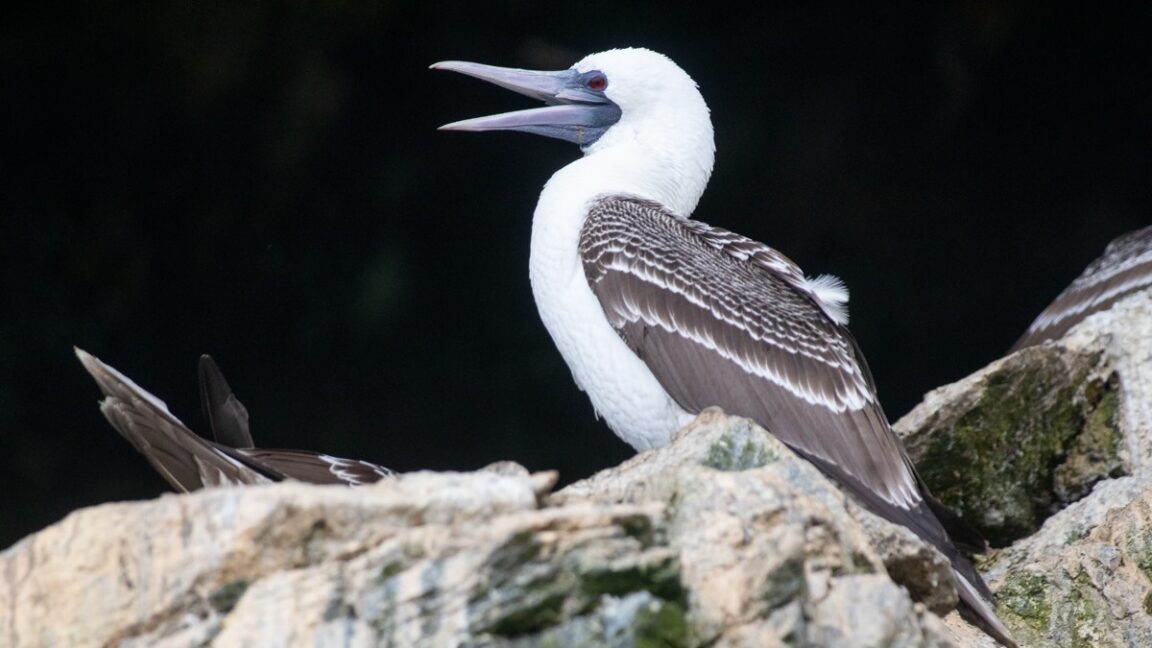
New research suggests that the prosperity of the pre-Inca Chincha Kingdom, which thrived along Peru’s southern coast from approximately 1000 to 1400 CE, may have been significantly bolstered by seabird guano. A study published in the journal PLoS ONE highlights how this nutrient-rich fertilizer played a crucial role in agricultural productivity, thereby supporting the kingdom’s economic and sociopolitical development.
Scientists, led by Jacob Bongers, a digital archaeologist at the University of Sydney, have uncovered evidence that seabird droppings were not merely a trivial resource but rather a vital asset that enhanced the cultivation of maize. According to Bongers, “Guano dramatically boosted the production of maize, and this agricultural surplus crucially helped fuel the Chincha Kingdom’s economy, driving their trade, wealth, population growth, and regional influence.” He further noted that the Chincha’s strategic alliance with the Inca Empire was also influenced by their ability to harness this resource.
Insights from Archaeological Findings
Bongers has previously investigated the site known as the “Band of Holes” on Mount Sierpe, which features around 5,200 precisely aligned holes believed to have been constructed by the Chincha. His research combined microbotanical sediment analysis with high-resolution aerial drone imagery, revealing traces of ancient maize pollen and basket-weaving materials. This evidence points to the site functioning as a pre-Inca marketplace where locals exchanged goods.
In the latest study, Bongers and his co-authors analyzed 35 maize samples excavated from tombs in the region. They found that the nitrogen levels in the maize were significantly higher than those in the surrounding soil, indicating that the Chincha utilized seabird guano as a natural fertilizer. The guano produced by species such as the guanay cormorant, Peruvian pelican, and Peruvian booby contains essential nutrients like nitrogen, phosphorus, and potassium, all of which are critical for plant growth. Notably, these birds are abundant on the Chincha Islands, located within 25 kilometers of the kingdom.
Historical records further support the significance of guano in ancient agricultural practices. During colonial times, groups would venture to nearby islands to collect seabird droppings for use as fertilizer. The Lunahuana people, residing near Chincha, were known to apply guano to their fields, while the Inca Empire even instituted restrictions on access to the guano-producing islands during breeding seasons. This highlights the high value placed on this resource.
The Cultural Significance of Guano
The authors of the study also noted that iconography from the Chincha and surrounding valleys prominently features seabirds. Artifacts such as textiles, ceramics, and metalworks depict these birds, emphasizing their importance in Chincha culture and economy. As Jo Osborn of Texas A&M University stated, “The true power of the Chincha wasn’t just access to a resource; it was their mastery of a complex ecological system.”
Osborn further elaborated that the Chincha possessed traditional knowledge that connected marine and terrestrial ecosystems, allowing them to transform this understanding into agricultural success. Their artistic representations celebrate this relationship, indicating that their power was grounded in ecological wisdom, rather than solely in precious metals like gold or silver.
The findings from this research not only illuminate the sophisticated agricultural practices of the Chincha Kingdom but also reshape our understanding of pre-Inca societies in the Andes. The study emphasizes the profound impact of ecological resources on the development of ancient civilizations.
For more details, the full study is available in the journal PLoS ONE, DOI: 10.1371/journal.pone.0341263.

Meta Plans Major Layoffs as AI Costs Surge

Alberta’s Referendum Could Pave Way for U.S. Statehood

Minooka District 201 Plans Enhanced Bilingual Support for Students

Canmore Approves Multiple Development Permits for New Projects

Remembering Bradly Castillo Shearsmith: A Life of Friendship and Joy

BIS Urges Watchdogs to Integrate Synthetic Risk Transfers in Stress Tests

Teva Transforms: Shifting Focus from Generics to Branded Success

Apple Launches AirPods Max 2 with Enhanced Audio Features

Ontario Ends Funding for Seven Supervised Injection Sites

Toyoake City Proposes Daily Two-Hour Smartphone Use Limit

Pedestrian Fatally Injured in Esquimalt Collision on August 14

B.C. Review Reveals Urgent Need for Rare-Disease Drug Reforms

Dark Adventure Game “Bye Sweet Carole” Set for October Release

Konami Revives Iconic Metal Gear Solid Delta Ahead of Release

Victoria’s Pop-Up Shop Shines Light on B.C.’s Wolf Cull

Jimmy Lai’s Defense Challenges Charges Under National Security Law

Snapmaker U1 Color 3D Printer Redefines Speed and Sustainability

Apple Expands Self-Service Repair Program to Canada
-
 Science11 months ago
Toyoake City Proposes Daily Two-Hour Smartphone Use Limit
-
 Top Stories11 months ago
Pedestrian Fatally Injured in Esquimalt Collision on August 14
-
 Health11 months ago
B.C. Review Reveals Urgent Need for Rare-Disease Drug Reforms
-
 Technology11 months ago
Dark Adventure Game “Bye Sweet Carole” Set for October Release
-
 Technology11 months ago
Konami Revives Iconic Metal Gear Solid Delta Ahead of Release
-
 Lifestyle11 months ago
Victoria’s Pop-Up Shop Shines Light on B.C.’s Wolf Cull
-
 World11 months ago
Jimmy Lai’s Defense Challenges Charges Under National Security Law
-
 Technology11 months ago
Snapmaker U1 Color 3D Printer Redefines Speed and Sustainability
-
 Technology11 months ago
Apple Expands Self-Service Repair Program to Canada
-

 Technology11 months ago
AION Folding Knife: Redefining EDC Design with Premium Materials
-

 Technology11 months ago
Solve Today’s Wordle Challenge: Hints and Answer for August 19
-

 Business11 months ago
Gordon Murray Automotive Unveils S1 LM and Le Mans GTR at Monterey