
Science
Toyota Introduces Humanoid Robots at Woodstock Plant, Workers React

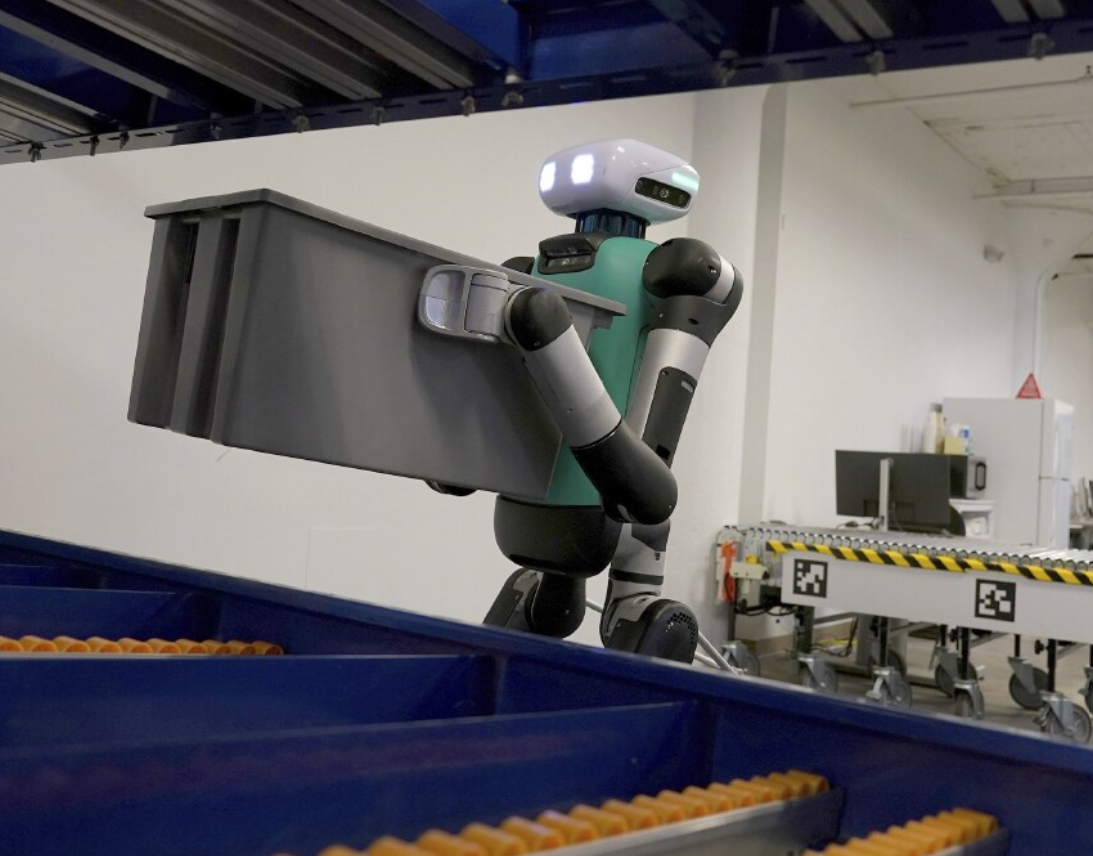
The Toyota automotive assembly plant in Woodstock, Ontario, is set to integrate humanoid robots into its operations. The company announced the purchase of three robots, known as Digit, which will assist with logistics tasks in the plant. This move marks a significant step forward in the automation of manufacturing processes, raising questions among workers about the implications for job security.
Humanoid robots are not a new concept, but their presence on the factory floor introduces a unique dynamic. Traditionally, factories have employed large machines for assembly tasks, but the introduction of robots that resemble human forms is unprecedented. According to Michael Bouliane, a spokesperson for Toyota, the Digit robots will handle “extremely repetitive and physically taxing internal logistics tasks” such as transporting parts, which allows human workers to focus on more complex responsibilities.
Lee Sperduti, a production worker with over 23 years of experience at Toyota, expressed a mix of curiosity and concern regarding the integration of these robots. “The growth of automation has been so fast. I want to know how they will be integrated into the plant; it could be awkward working with them,” he said. His sentiments reflect a broader apprehension among employees about the potential for automation to replace human jobs.
While many workers may worry about job displacement, Bouliane reassured that no positions will be lost as a result of the robot’s deployment. The Woodstock plant, alongside its counterpart in Cambridge, employs over 8,500 people to manufacture vehicles, including the RAV4 and Lexus models. Toyota has already implemented over 500 automated delivery robots in its facilities, and the workforce has continued to grow.
The ongoing debate around automation in the workplace is underscored by the views of industry leaders. David Adams, president of Global Automakers of Canada, acknowledged that robots can significantly reduce the risk of repetitive strain injuries. He emphasized that these technologies are intended to enhance operational efficiency rather than displace workers. “This is to add to the workforce, not replace it,” he stated.
Conversely, Luis Domingues, the London and area director for Unifor, the union representing many automotive employees, warns of the potential long-term consequences of such automation. He believes that the adoption of humanoid robots represents a critical shift in the industry that could inevitably lead to job losses. “They’re coming; they will do what humans can do, and they will displace workers,” Domingues noted.
The discussion on automation is supported by data from the International Federation of Robotics, which reported that over 540,000 robots were installed in various industries globally last year, a figure that has doubled over the past decade. Adams pointed out that while automation will continue to expand in factories worldwide, it does not necessarily equate to a dramatic impact on employment levels.
As the automotive sector evolves, the implications of humanoid robots extend beyond logistics. The website Techbuzz predicts that the market for humanoid robots will grow from approximately $500 million currently to over $6 billion by 2030. This growth reflects a broader trend where companies like Tesla are also developing similar technologies, indicating that the industry is shifting rapidly towards increased automation.
In conclusion, the introduction of humanoid robots at Toyota’s Woodstock plant signifies a pivotal moment in the automotive manufacturing landscape. While the technology promises to improve efficiency and reduce physical strain on workers, it also raises important questions about the future of human employment in this sector. As businesses embrace these advancements, the balance between automation and job security will require careful consideration.

Meta Plans Major Layoffs as AI Costs Surge

Alberta’s Referendum Could Pave Way for U.S. Statehood

Minooka District 201 Plans Enhanced Bilingual Support for Students

Canmore Approves Multiple Development Permits for New Projects

Remembering Bradly Castillo Shearsmith: A Life of Friendship and Joy

BIS Urges Watchdogs to Integrate Synthetic Risk Transfers in Stress Tests

Teva Transforms: Shifting Focus from Generics to Branded Success

Apple Launches AirPods Max 2 with Enhanced Audio Features

Ontario Ends Funding for Seven Supervised Injection Sites

Toyoake City Proposes Daily Two-Hour Smartphone Use Limit

Pedestrian Fatally Injured in Esquimalt Collision on August 14

B.C. Review Reveals Urgent Need for Rare-Disease Drug Reforms

Dark Adventure Game “Bye Sweet Carole” Set for October Release

Konami Revives Iconic Metal Gear Solid Delta Ahead of Release

Victoria’s Pop-Up Shop Shines Light on B.C.’s Wolf Cull

Jimmy Lai’s Defense Challenges Charges Under National Security Law

Snapmaker U1 Color 3D Printer Redefines Speed and Sustainability

Apple Expands Self-Service Repair Program to Canada
-
 Science12 months ago
Toyoake City Proposes Daily Two-Hour Smartphone Use Limit
-
 Top Stories12 months ago
Pedestrian Fatally Injured in Esquimalt Collision on August 14
-
 Health12 months ago
B.C. Review Reveals Urgent Need for Rare-Disease Drug Reforms
-
 Technology12 months ago
Dark Adventure Game “Bye Sweet Carole” Set for October Release
-
 Technology12 months ago
Konami Revives Iconic Metal Gear Solid Delta Ahead of Release
-
 Lifestyle12 months ago
Victoria’s Pop-Up Shop Shines Light on B.C.’s Wolf Cull
-
 World12 months ago
Jimmy Lai’s Defense Challenges Charges Under National Security Law
-
 Technology12 months ago
Snapmaker U1 Color 3D Printer Redefines Speed and Sustainability
-
 Technology12 months ago
Apple Expands Self-Service Repair Program to Canada
-

 Technology12 months ago
AION Folding Knife: Redefining EDC Design with Premium Materials
-

 Technology12 months ago
Solve Today’s Wordle Challenge: Hints and Answer for August 19
-

 Business12 months ago
Gordon Murray Automotive Unveils S1 LM and Le Mans GTR at Monterey