
Science
Young Researcher Navigates Challenges at Barkley Sound Station

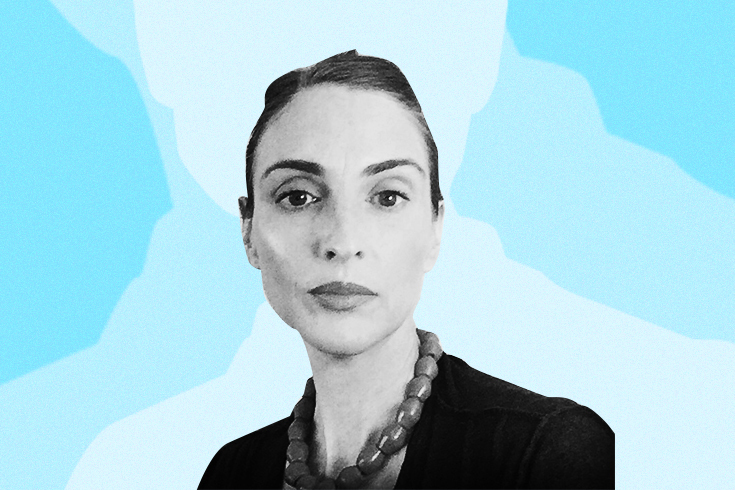
In April 1985, a group of students, including the indecisive daughter of a local resident, embarked on an educational trip to the Barkley Sound Research Station. Accompanied by forty peers and their instructor, Mrs. Roberts, these young individuals were geared up in Helox slickers and life preservers, preparing for a journey that promised to be both enlightening and, at times, tedious.
The students traveled across Barkley Sound by Zodiac, excitement mixed with apprehension. Their itinerary included lectures on various marine life, including jellyfish, barnacles, nudibranchs, and squid. Despite the unique setting, the young researcher found herself wishing she had opted for a physics trip instead. The relentless focus on salmon—its life cycle, mating habits, and migration patterns—seemed uninteresting compared to her personal experiences back home.
Amid the activity at the station, the day featured a peculiar demonstration involving Holothuroidea, a type of sea cucumber, staged as a match against a cod. This event, orchestrated by a group of biologists, highlighted the often whimsical nature of scientific exploration. The spectacle left the young researcher questioning the authenticity of their interactions with marine life, pondering who truly dominated the aquatic environment behind the scenes.
As the evening progressed, the atmosphere shifted. The initial excitement waned as her fellow students gradually drifted away, leaving her alone on a dock. The bay darkened, and Name-Tag-Brad, a fellow student, broke the silence by showcasing a lamprey from a nearby vat. This interaction brought her back to the stark contrast between her adventurous surroundings and the familiar confines of her everyday life.
Under the moonlight, she reflected on her identity and the experiences that shaped her. The stark imagery of the ocean, coupled with her juxtaposition of life back home on Angus Drive—complete with her crabby cat and a mother resembling a stonefish—prompted deeper contemplation. She questioned what kind of person she would become after this experience at Barkley Sound.
In this unique blend of education and introspection, the young researcher navigated her own uncertainties while engaging with the natural world. The trip, filled with moments of both wonder and boredom, ultimately served as a catalyst for her personal growth and understanding of marine ecosystems.
As the research station’s activities unfolded, the young participants were left to ponder their roles within both the scientific community and the broader world. The reflections shared by this group of students, particularly the daughter of dry land, encapsulate the transformative power of exploration and the importance of connecting with nature.

Meta Plans Major Layoffs as AI Costs Surge

Alberta’s Referendum Could Pave Way for U.S. Statehood

Minooka District 201 Plans Enhanced Bilingual Support for Students

Canmore Approves Multiple Development Permits for New Projects

Remembering Bradly Castillo Shearsmith: A Life of Friendship and Joy

BIS Urges Watchdogs to Integrate Synthetic Risk Transfers in Stress Tests

Teva Transforms: Shifting Focus from Generics to Branded Success

Apple Launches AirPods Max 2 with Enhanced Audio Features

Ontario Ends Funding for Seven Supervised Injection Sites

Toyoake City Proposes Daily Two-Hour Smartphone Use Limit

Pedestrian Fatally Injured in Esquimalt Collision on August 14

Dark Adventure Game “Bye Sweet Carole” Set for October Release

B.C. Review Reveals Urgent Need for Rare-Disease Drug Reforms

Konami Revives Iconic Metal Gear Solid Delta Ahead of Release

Jimmy Lai’s Defense Challenges Charges Under National Security Law

Victoria’s Pop-Up Shop Shines Light on B.C.’s Wolf Cull

Snapmaker U1 Color 3D Printer Redefines Speed and Sustainability

Apple Expands Self-Service Repair Program to Canada
-
 Science9 months ago
Toyoake City Proposes Daily Two-Hour Smartphone Use Limit
-
 Top Stories9 months ago
Pedestrian Fatally Injured in Esquimalt Collision on August 14
-
 Technology9 months ago
Dark Adventure Game “Bye Sweet Carole” Set for October Release
-
 Health9 months ago
B.C. Review Reveals Urgent Need for Rare-Disease Drug Reforms
-
 Technology9 months ago
Konami Revives Iconic Metal Gear Solid Delta Ahead of Release
-
 World9 months ago
Jimmy Lai’s Defense Challenges Charges Under National Security Law
-
 Lifestyle9 months ago
Victoria’s Pop-Up Shop Shines Light on B.C.’s Wolf Cull
-
 Technology9 months ago
Snapmaker U1 Color 3D Printer Redefines Speed and Sustainability
-
 Technology9 months ago
Apple Expands Self-Service Repair Program to Canada
-

 Technology9 months ago
AION Folding Knife: Redefining EDC Design with Premium Materials
-

 Technology9 months ago
Solve Today’s Wordle Challenge: Hints and Answer for August 19
-

 Business9 months ago
Gordon Murray Automotive Unveils S1 LM and Le Mans GTR at Monterey