
Technology
Ford’s Farley Advocates for Chinese Auto Manufacturing in the U.S.

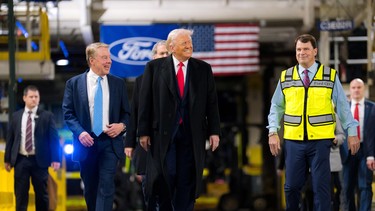
Ford Motor Company is actively engaging with the Trump administration to explore a framework that would allow Chinese automakers to establish production facilities in the United States. This approach aims to mitigate concerns surrounding the influx of Chinese vehicles entering the American market. According to a report from The Detroit News, Ford’s CEO, Jim Farley, has been in discussions with senior officials to advocate for a model that could provide some level of protection for domestic manufacturers while welcoming Chinese investments.
Farley’s position is not entirely new; he has been vocal about the strengths of Chinese automotive technology for nearly two years. This strategy marks a significant shift in the narrative surrounding Chinese cars, which have often been viewed skeptically by American manufacturers and consumers alike.
Historical Context and Lessons from the Past
To understand the current dynamics, it is essential to reflect on the history of the automotive industry. One notable example is the NUMMI (New United Motor Manufacturing, Inc.) joint venture between General Motors and Toyota in the early 1980s. This partnership was initially intended to revitalize GM’s struggling operations in Fremont, California, by implementing Toyota’s renowned manufacturing principles.
Despite the promise of this collaboration, NUMMI ultimately became a cautionary tale of missed opportunities and mismanagement. The initial successes of the Fremont facility were overshadowed by a combination of poor leadership and an unmotivated workforce. Today, the site is home to Tesla factories, highlighting the rapid evolution of the industry and the lessons learned from past failures.
American manufacturers have historically been hesitant to embrace the potential of Chinese automotive production. Many initially dismissed the Chinese automotive industry as a minor player until its rapid growth transformed it into a formidable competitor. The landscape has shifted dramatically, and now there is an increasing recognition of the advancements made by Chinese automakers.
Current Developments and Future Implications
In a surprising turn of events, President Donald Trump recently expressed support for the idea of Chinese companies building plants in the U.S., which could create jobs and stimulate local economies. Reports from Financial Times indicate that Trump’s comments have sparked interest among U.S. auto manufacturers, who are now reassessing their positions on foreign competition.
As Ford and other manufacturers navigate this changing landscape, the implications of Farley’s push for Chinese collaboration could have far-reaching effects on the U.S. automotive sector. The prospect of integrating Chinese manufacturing capabilities into the American market raises questions about quality, competitiveness, and the overall direction of the industry.
Industry expert Michael Dunne emphasizes that the challenges faced by American automakers extend beyond consumer preferences for electric vehicles. The U.S. auto industry is grappling with a myriad of failures, including a lack of commitment to electric vehicle innovation and a political climate that complicates consumer choices.
As both Ford and the Trump administration reconsider their strategies, the automotive landscape continues to evolve rapidly. Whether this collaboration will ultimately benefit American manufacturers or lead to new challenges remains to be seen.
In the coming months, stakeholders will closely monitor developments as the dialogue around Chinese automotive production in the U.S. progresses. The ongoing discussions may reshape the future of the American automotive industry and redefine how domestic manufacturers compete in an increasingly globalized market.

Meta Plans Major Layoffs as AI Costs Surge

Alberta’s Referendum Could Pave Way for U.S. Statehood

Minooka District 201 Plans Enhanced Bilingual Support for Students

Canmore Approves Multiple Development Permits for New Projects

Remembering Bradly Castillo Shearsmith: A Life of Friendship and Joy

BIS Urges Watchdogs to Integrate Synthetic Risk Transfers in Stress Tests

Teva Transforms: Shifting Focus from Generics to Branded Success

Apple Launches AirPods Max 2 with Enhanced Audio Features

Ontario Ends Funding for Seven Supervised Injection Sites

Toyoake City Proposes Daily Two-Hour Smartphone Use Limit

Pedestrian Fatally Injured in Esquimalt Collision on August 14

B.C. Review Reveals Urgent Need for Rare-Disease Drug Reforms

Dark Adventure Game “Bye Sweet Carole” Set for October Release

Konami Revives Iconic Metal Gear Solid Delta Ahead of Release

Victoria’s Pop-Up Shop Shines Light on B.C.’s Wolf Cull

Jimmy Lai’s Defense Challenges Charges Under National Security Law

Snapmaker U1 Color 3D Printer Redefines Speed and Sustainability

Apple Expands Self-Service Repair Program to Canada
-
 Science1 year ago
Toyoake City Proposes Daily Two-Hour Smartphone Use Limit
-
 Top Stories1 year ago
Pedestrian Fatally Injured in Esquimalt Collision on August 14
-
 Health1 year ago
B.C. Review Reveals Urgent Need for Rare-Disease Drug Reforms
-
 Technology1 year ago
Dark Adventure Game “Bye Sweet Carole” Set for October Release
-
 Technology1 year ago
Konami Revives Iconic Metal Gear Solid Delta Ahead of Release
-
 Lifestyle1 year ago
Victoria’s Pop-Up Shop Shines Light on B.C.’s Wolf Cull
-
 World1 year ago
Jimmy Lai’s Defense Challenges Charges Under National Security Law
-
 Technology1 year ago
Snapmaker U1 Color 3D Printer Redefines Speed and Sustainability
-
 Technology1 year ago
Apple Expands Self-Service Repair Program to Canada
-

 Technology1 year ago
AION Folding Knife: Redefining EDC Design with Premium Materials
-

 Technology1 year ago
Solve Today’s Wordle Challenge: Hints and Answer for August 19
-

 Business1 year ago
Gordon Murray Automotive Unveils S1 LM and Le Mans GTR at Monterey