
Technology
OpenAI Set to Launch New Audio Model and Hardware by 2027

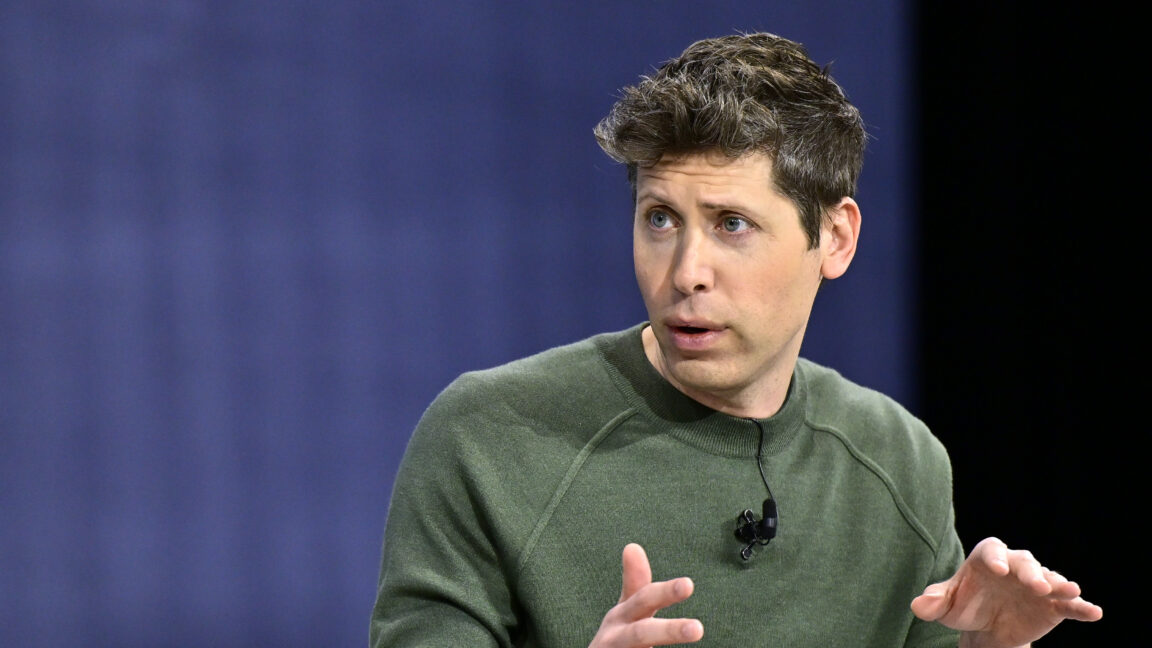
OpenAI, the organization behind ChatGPT, is preparing to unveil a new audio language model in the first quarter of 2026, with the ultimate goal of developing an audio-centric physical hardware device by 2027. This strategic move aims to enhance the company’s offerings in voice technology, which researchers believe currently lag behind the capabilities of text-based models in accuracy and speed.
According to a report from The Information, which cites multiple sources within the company, OpenAI is consolidating its engineering, product, and research teams under a single initiative dedicated to advancing audio models. Despite the growing popularity of voice interfaces, user engagement with ChatGPT’s voice capabilities has been relatively low, with most users opting for text interactions. OpenAI hopes that significant improvements in audio performance could encourage more users to embrace voice interfaces, potentially expanding the use of its models across various devices, including automobiles.
Future Devices and Competitive Landscape
OpenAI plans to introduce a range of physical devices in the coming years, starting with one focused primarily on audio. Internal discussions have suggested various formats, including smart speakers and augmented reality glasses, though the primary focus remains on audio interfaces rather than visual screens. This shift aligns with broader industry trends, as competitors such as Google, Meta, and Amazon increasingly invest in technologies that prioritize voice and audio capabilities.
The previous wave of voice-controlled devices, including those powered by Amazon’s Alexa and Google Assistant, saw varying degrees of success, particularly among casual users rather than technology enthusiasts. These earlier products faced significant limitations, prompting a search for new approaches. The integration of large language models into audio devices may present both opportunities and challenges, reshaping the landscape of voice technology.
Some industry experts, including former Apple design lead Jony Ive, argue that audio-controlled products could be less addictive than their screen-based counterparts. While this perspective lacks robust empirical support, it reflects a growing interest in exploring innovative audio interfaces that prioritize user well-being.
Anticipated Release and Future Prospects
OpenAI’s first audio-centric physical device is anticipated to launch approximately one year from now, although specific details about its design and functionalities remain undisclosed. As the company prepares for this new chapter, the development of audio models could not only enhance user experience but also significantly impact various sectors, from automotive technology to smart home devices.
The ongoing evolution of voice technology represents an exciting frontier for OpenAI and its competitors, as they strive to create products that resonate with users’ needs and preferences. With a focus on audio capabilities, OpenAI is set to play a pivotal role in the future of interactive technology, potentially reshaping how users engage with digital interfaces.

Meta Plans Major Layoffs as AI Costs Surge

Alberta’s Referendum Could Pave Way for U.S. Statehood

Minooka District 201 Plans Enhanced Bilingual Support for Students

Canmore Approves Multiple Development Permits for New Projects

Remembering Bradly Castillo Shearsmith: A Life of Friendship and Joy

BIS Urges Watchdogs to Integrate Synthetic Risk Transfers in Stress Tests

Teva Transforms: Shifting Focus from Generics to Branded Success

Apple Launches AirPods Max 2 with Enhanced Audio Features

Ontario Ends Funding for Seven Supervised Injection Sites

Toyoake City Proposes Daily Two-Hour Smartphone Use Limit

Pedestrian Fatally Injured in Esquimalt Collision on August 14

B.C. Review Reveals Urgent Need for Rare-Disease Drug Reforms

Dark Adventure Game “Bye Sweet Carole” Set for October Release

Konami Revives Iconic Metal Gear Solid Delta Ahead of Release

Victoria’s Pop-Up Shop Shines Light on B.C.’s Wolf Cull

Jimmy Lai’s Defense Challenges Charges Under National Security Law

Snapmaker U1 Color 3D Printer Redefines Speed and Sustainability

Apple Expands Self-Service Repair Program to Canada
-
 Science1 year ago
Toyoake City Proposes Daily Two-Hour Smartphone Use Limit
-
 Top Stories1 year ago
Pedestrian Fatally Injured in Esquimalt Collision on August 14
-
 Health1 year ago
B.C. Review Reveals Urgent Need for Rare-Disease Drug Reforms
-
 Technology1 year ago
Dark Adventure Game “Bye Sweet Carole” Set for October Release
-
 Technology1 year ago
Konami Revives Iconic Metal Gear Solid Delta Ahead of Release
-
 Lifestyle1 year ago
Victoria’s Pop-Up Shop Shines Light on B.C.’s Wolf Cull
-
 World1 year ago
Jimmy Lai’s Defense Challenges Charges Under National Security Law
-
 Technology1 year ago
Snapmaker U1 Color 3D Printer Redefines Speed and Sustainability
-
 Technology1 year ago
Apple Expands Self-Service Repair Program to Canada
-

 Technology1 year ago
AION Folding Knife: Redefining EDC Design with Premium Materials
-

 Technology1 year ago
Solve Today’s Wordle Challenge: Hints and Answer for August 19
-

 Business1 year ago
Gordon Murray Automotive Unveils S1 LM and Le Mans GTR at Monterey