
Top Stories
Algeria Seeks $2.3 Billion from Rare Islamic Bond Sale Amid Budget Crisis

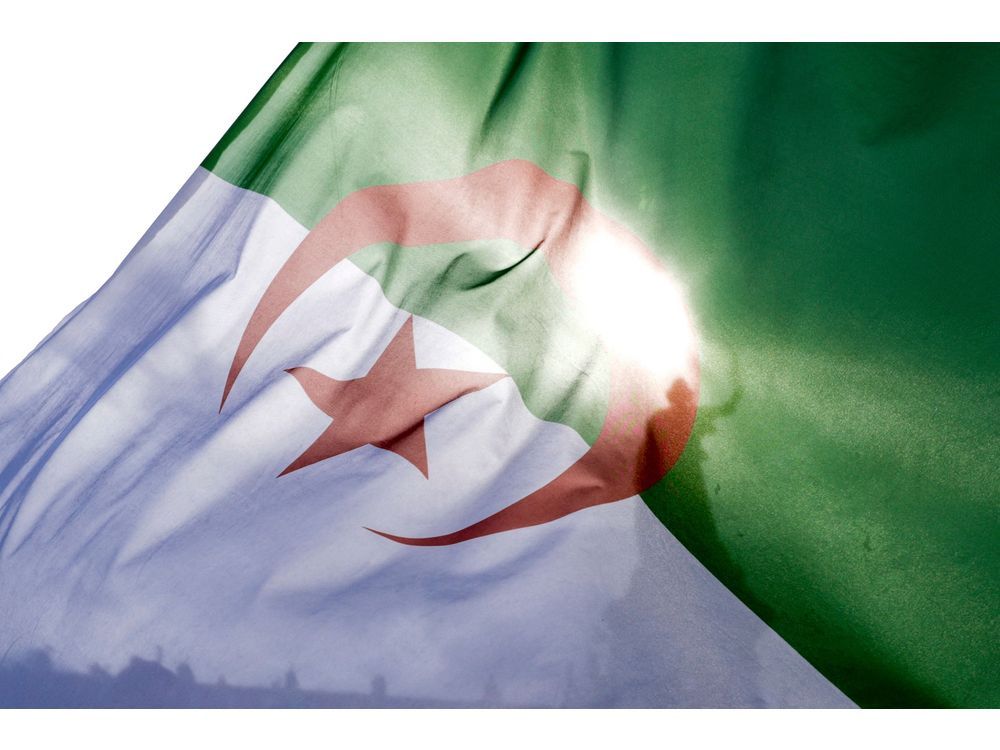
Algeria plans to raise 297 billion dinars (approximately $2.3 billion) through the sale of Islamic bonds, marking a rare move for the OPEC member as it grapples with a significant budget deficit driven by declining energy prices. The seven-year sukuk will be available to both domestic and international investors, although foreign entities will be excluded from the two-month subscription period commencing on November 2, 2023, according to Asharq TV, which cited a government document.
The bonds will be secured by government real estate assets and will offer a 6% coupon for the first six years. This issuance underscores the growing financial pressures facing Algeria, which has historically depended on its substantial oil and gas reserves to support its budget.
Rising Budget Deficit and Economic Challenges
Algeria’s budget deficit has surged to approximately 14% of its gross domestic product (GDP), a sharp increase from 5.5% in 2023. The International Monetary Fund (IMF) projects that this figure will remain in double digits through 2028. The country’s central bank highlighted in its recent annual report that ongoing “downward pressure on hydrocarbon prices” poses a threat to public finances, necessitating the exploration of new revenue sources.
In 2024, Algeria’s energy income plummeted by roughly 30% to 3.84 trillion dinars, while government expenditure increased by 9%. The IMF indicates that Algeria requires oil prices to stay above $156.6 per barrel to achieve budget balance, a target that is only surpassed by Iran among crude exporters in the broader Middle East. Currently, Brent crude is trading below $70 per barrel.
Political Landscape and Economic Policies
Algeria, governed by a generation of politicians who emerged before the country’s independence from France in 1962, has consistently advocated for economic self-reliance. The government maintains an extensive subsidy system to support its population of 47 million and has minimal foreign debt. The current budget includes a provision for sukuk issuance, although it does not specify an amount.
President Abdelmadjid Tebboune has previously expressed strong opposition to following IMF recommendations for foreign borrowing, labeling it as “political suicide.” The current bond issuance may reflect a shift in strategy as the country seeks to stabilize its finances amid ongoing economic challenges.
Algeria’s efforts to secure funding through this bond sale highlight the critical juncture at which the nation finds itself, navigating the complexities of global energy markets while striving to maintain fiscal stability.

Meta Plans Major Layoffs as AI Costs Surge

Alberta’s Referendum Could Pave Way for U.S. Statehood

Minooka District 201 Plans Enhanced Bilingual Support for Students

Canmore Approves Multiple Development Permits for New Projects

Remembering Bradly Castillo Shearsmith: A Life of Friendship and Joy

BIS Urges Watchdogs to Integrate Synthetic Risk Transfers in Stress Tests

Teva Transforms: Shifting Focus from Generics to Branded Success

Apple Launches AirPods Max 2 with Enhanced Audio Features

Ontario Ends Funding for Seven Supervised Injection Sites

Toyoake City Proposes Daily Two-Hour Smartphone Use Limit

Pedestrian Fatally Injured in Esquimalt Collision on August 14

B.C. Review Reveals Urgent Need for Rare-Disease Drug Reforms

Dark Adventure Game “Bye Sweet Carole” Set for October Release

Konami Revives Iconic Metal Gear Solid Delta Ahead of Release

Victoria’s Pop-Up Shop Shines Light on B.C.’s Wolf Cull

Jimmy Lai’s Defense Challenges Charges Under National Security Law

Snapmaker U1 Color 3D Printer Redefines Speed and Sustainability

Apple Expands Self-Service Repair Program to Canada
-
 Science12 months ago
Toyoake City Proposes Daily Two-Hour Smartphone Use Limit
-
 Top Stories12 months ago
Pedestrian Fatally Injured in Esquimalt Collision on August 14
-
 Health12 months ago
B.C. Review Reveals Urgent Need for Rare-Disease Drug Reforms
-
 Technology12 months ago
Dark Adventure Game “Bye Sweet Carole” Set for October Release
-
 Technology12 months ago
Konami Revives Iconic Metal Gear Solid Delta Ahead of Release
-
 Lifestyle12 months ago
Victoria’s Pop-Up Shop Shines Light on B.C.’s Wolf Cull
-
 World12 months ago
Jimmy Lai’s Defense Challenges Charges Under National Security Law
-
 Technology12 months ago
Snapmaker U1 Color 3D Printer Redefines Speed and Sustainability
-
 Technology12 months ago
Apple Expands Self-Service Repair Program to Canada
-

 Technology12 months ago
AION Folding Knife: Redefining EDC Design with Premium Materials
-

 Technology12 months ago
Solve Today’s Wordle Challenge: Hints and Answer for August 19
-

 Business12 months ago
Gordon Murray Automotive Unveils S1 LM and Le Mans GTR at Monterey