
Top Stories
Bulgaria Adopts Euro as Concerns Over Prices and Stability Rise

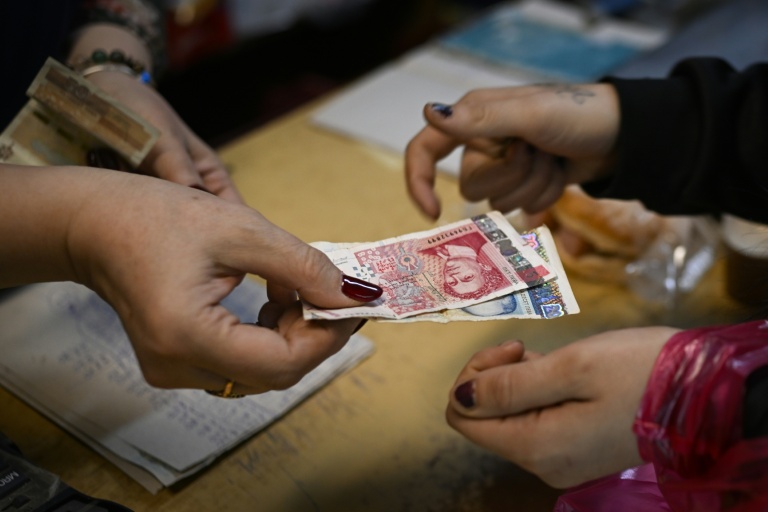
Bulgaria officially adopts the euro on January 1, 2024, becoming the 21st member of the eurozone. This transition raises significant concerns among the population regarding potential price increases and economic instability, particularly in the European Union’s poorest nation. A growing protest campaign, advocating to “keep the Bulgarian lev,” has emerged, reflecting widespread anxiety about the implications of the single currency.
While many Bulgarians express skepticism about the euro, successive governments have championed its adoption, citing potential economic benefits and stronger ties to Western Europe. Advocates argue that the euro will help Bulgaria bolster its economy and reduce vulnerability to external pressures, notably from Russia. The euro was first introduced in 2002, initially adopted by twelve countries, and it has gradually expanded, with Croatia being the most recent addition in 2023.
Public Sentiment and Economic Implications
The sentiment surrounding this change is mixed. According to a recent survey by the EU’s polling agency Eurobarometer, 49 percent of Bulgarians oppose adopting the euro. Many citizens remain apprehensive, particularly in rural areas, fearing that the switch will lead to higher living costs. “Prices will go up. That’s what friends of mine who live in Western Europe told me,” said Bilyana Nikolova, a grocery store owner from the village of Chuprene in northwestern Bulgaria.
Economic analysts, such as Georgi Angelov, senior economist at the Open Society Institute in Sofia, argue that adopting the euro will enable Bulgaria to participate more actively in decision-making within the European Central Bank (ECB). He states, “It will now finally be able to take part in decision making within this monetary union.” This perspective is echoed by Christine Lagarde, the ECB President, who highlighted the “substantial” gains from euro adoption, including smoother trade and reduced financing costs.
Challenges Ahead for Bulgaria
Despite the potential benefits, Bulgaria faces unique challenges. The country has experienced significant political instability, recently seeing anti-corruption protests that led to the ousting of a conservative-led government. This turmoil has resulted in Bulgaria nearing its eighth election in five years, complicating the euro adoption process.
The transition to the euro is also occurring against a backdrop of rising inflation, with food prices reportedly increasing by five percent year-on-year as of November 2023, more than double the average in the eurozone. As a response to public concerns, the Bulgarian parliament has implemented oversight measures to investigate and mitigate price hikes associated with the currency changeover.
Boryana Dimitrova of the Alpha Research polling institute indicates that any issues arising from the euro adoption could be leveraged by anti-EU politicians. “Any problems with euro adoption would be seized on by anti-EU politicians,” she remarked, suggesting that these challenges could fuel political rhetoric against the European Union.
Analysts emphasize the need for a stable government to implement necessary reforms and fully capitalize on the advantages of eurozone membership. “The challenge will be to have a stable government for at least one to two years, so we can fully reap the benefits of joining the euro area,” Angelov noted.
As Bulgaria embarks on this significant economic shift, the coming months will be crucial in determining the long-term implications for its economy and its citizens’ livelihoods. With both opportunities and challenges on the horizon, the nation stands at a pivotal moment in its European journey.

Meta Plans Major Layoffs as AI Costs Surge

Alberta’s Referendum Could Pave Way for U.S. Statehood

Minooka District 201 Plans Enhanced Bilingual Support for Students

Canmore Approves Multiple Development Permits for New Projects

Remembering Bradly Castillo Shearsmith: A Life of Friendship and Joy

BIS Urges Watchdogs to Integrate Synthetic Risk Transfers in Stress Tests

Teva Transforms: Shifting Focus from Generics to Branded Success

Apple Launches AirPods Max 2 with Enhanced Audio Features

Ontario Ends Funding for Seven Supervised Injection Sites

Toyoake City Proposes Daily Two-Hour Smartphone Use Limit

Pedestrian Fatally Injured in Esquimalt Collision on August 14

B.C. Review Reveals Urgent Need for Rare-Disease Drug Reforms

Dark Adventure Game “Bye Sweet Carole” Set for October Release

Konami Revives Iconic Metal Gear Solid Delta Ahead of Release

Victoria’s Pop-Up Shop Shines Light on B.C.’s Wolf Cull

Jimmy Lai’s Defense Challenges Charges Under National Security Law

Snapmaker U1 Color 3D Printer Redefines Speed and Sustainability

Apple Expands Self-Service Repair Program to Canada
-
 Science1 year ago
Toyoake City Proposes Daily Two-Hour Smartphone Use Limit
-
 Top Stories1 year ago
Pedestrian Fatally Injured in Esquimalt Collision on August 14
-
 Health1 year ago
B.C. Review Reveals Urgent Need for Rare-Disease Drug Reforms
-
 Technology1 year ago
Dark Adventure Game “Bye Sweet Carole” Set for October Release
-
 Technology1 year ago
Konami Revives Iconic Metal Gear Solid Delta Ahead of Release
-
 Lifestyle1 year ago
Victoria’s Pop-Up Shop Shines Light on B.C.’s Wolf Cull
-
 World1 year ago
Jimmy Lai’s Defense Challenges Charges Under National Security Law
-
 Technology1 year ago
Snapmaker U1 Color 3D Printer Redefines Speed and Sustainability
-
 Technology1 year ago
Apple Expands Self-Service Repair Program to Canada
-

 Technology1 year ago
AION Folding Knife: Redefining EDC Design with Premium Materials
-

 Technology1 year ago
Solve Today’s Wordle Challenge: Hints and Answer for August 19
-

 Business1 year ago
Gordon Murray Automotive Unveils S1 LM and Le Mans GTR at Monterey