
Top Stories
Burbot Recovery Efforts Escalate in Lower Kootenay Region

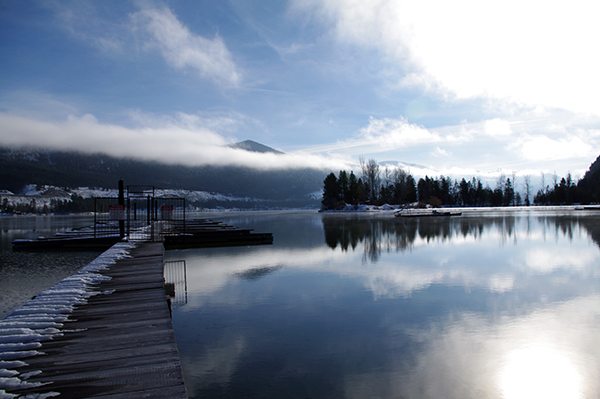
Teams from multiple organizations are resuming their efforts to enhance the burbot population in the Lower Kootenay region. The annual burbot egg collection program will take place on Moyie Lake during the last two weeks of February. Participating teams include the Ktunaxa Nation Council, the Kootenai Tribe of Idaho, the Idaho Department of Fish and Game, and representatives from the province.
As part of a conservation-stocking initiative, staff will capture, tag, and release burbot. This program aims to bolster the recovery of the Lower Kootenay burbot population, which had previously faced significant declines. Currently, the burbot population in Moyie Lake is robust and genetically comparable to stocks found in the Kootenay River.
The collected eggs will be reared in hatcheries until they reach various life stages, after which they will be released into selected areas of the Kootenay River system in both Idaho and British Columbia. Historically, the Lower Kootenay burbot population supported First Nations fisheries and recreational fishing in Montana, Idaho, and British Columbia.
In the mid-1990s, the situation was critical, with fewer than 50 adult burbot remaining in the river, placing them at risk of extirpation. A turning point came in 2005, when a conservation agreement was signed by several entities, including the Ktunaxa Nation Council and the Kootenai Tribe of Idaho. This agreement laid the groundwork for the burbot recovery program, which began in 2009.
Hatchery-released burbot have been thriving in the Lower Kootenay system, although inconsistent spawning success has been attributed to habitat impacts from Libby Dam and alterations to the floodplain along the Kootenay River. The egg collections from Moyie Lake are essential, providing a supplemental source of eggs until natural spawning is effectively restored.
Ongoing monitoring by the B.C. Ministry of Water, Land and Resource Stewardship confirms a healthy burbot population in Moyie Lake, estimated at approximately 10,000 adult burbot. The annual egg collections represent a minor fraction of the total egg production, with only 0.02% to 0.03% of available eggs collected each year. In 2025, teams successfully gathered eggs from only 37 females and 160 males, resulting in 32 unique family groups of burbot.
All burbot handled during this program are tagged and released alive, ensuring ongoing tracking and monitoring. This collaborative effort with the Ktunaxa Nation Council has also influenced other burbot restoration projects, such as those in the Upper Kootenay watershed.
In total, teams captured, tagged, and released 457 burbot in 2025. The hatchery-reared burbot were then distributed throughout Kootenay Lake, its tributaries, and off-channel habitats along the Kootenay River.
The recapture of fish from these releases serves as a positive indication of the program’s success, underscoring the importance of continued efforts in restoring the burbot population in the Lower Kootenay region.

Meta Plans Major Layoffs as AI Costs Surge

Alberta’s Referendum Could Pave Way for U.S. Statehood

Minooka District 201 Plans Enhanced Bilingual Support for Students

Canmore Approves Multiple Development Permits for New Projects

Remembering Bradly Castillo Shearsmith: A Life of Friendship and Joy

BIS Urges Watchdogs to Integrate Synthetic Risk Transfers in Stress Tests

Teva Transforms: Shifting Focus from Generics to Branded Success

Apple Launches AirPods Max 2 with Enhanced Audio Features

Ontario Ends Funding for Seven Supervised Injection Sites

Toyoake City Proposes Daily Two-Hour Smartphone Use Limit

Pedestrian Fatally Injured in Esquimalt Collision on August 14

B.C. Review Reveals Urgent Need for Rare-Disease Drug Reforms

Dark Adventure Game “Bye Sweet Carole” Set for October Release

Konami Revives Iconic Metal Gear Solid Delta Ahead of Release

Victoria’s Pop-Up Shop Shines Light on B.C.’s Wolf Cull

Jimmy Lai’s Defense Challenges Charges Under National Security Law

Snapmaker U1 Color 3D Printer Redefines Speed and Sustainability

Apple Expands Self-Service Repair Program to Canada
-
 Science12 months ago
Toyoake City Proposes Daily Two-Hour Smartphone Use Limit
-
 Top Stories12 months ago
Pedestrian Fatally Injured in Esquimalt Collision on August 14
-
 Health12 months ago
B.C. Review Reveals Urgent Need for Rare-Disease Drug Reforms
-
 Technology12 months ago
Dark Adventure Game “Bye Sweet Carole” Set for October Release
-
 Technology12 months ago
Konami Revives Iconic Metal Gear Solid Delta Ahead of Release
-
 Lifestyle12 months ago
Victoria’s Pop-Up Shop Shines Light on B.C.’s Wolf Cull
-
 World12 months ago
Jimmy Lai’s Defense Challenges Charges Under National Security Law
-
 Technology12 months ago
Snapmaker U1 Color 3D Printer Redefines Speed and Sustainability
-
 Technology12 months ago
Apple Expands Self-Service Repair Program to Canada
-

 Technology12 months ago
AION Folding Knife: Redefining EDC Design with Premium Materials
-

 Technology12 months ago
Solve Today’s Wordle Challenge: Hints and Answer for August 19
-

 Business12 months ago
Gordon Murray Automotive Unveils S1 LM and Le Mans GTR at Monterey