
Top Stories
December Floods Cause Nearly $90 Million in Damage Across B.C.

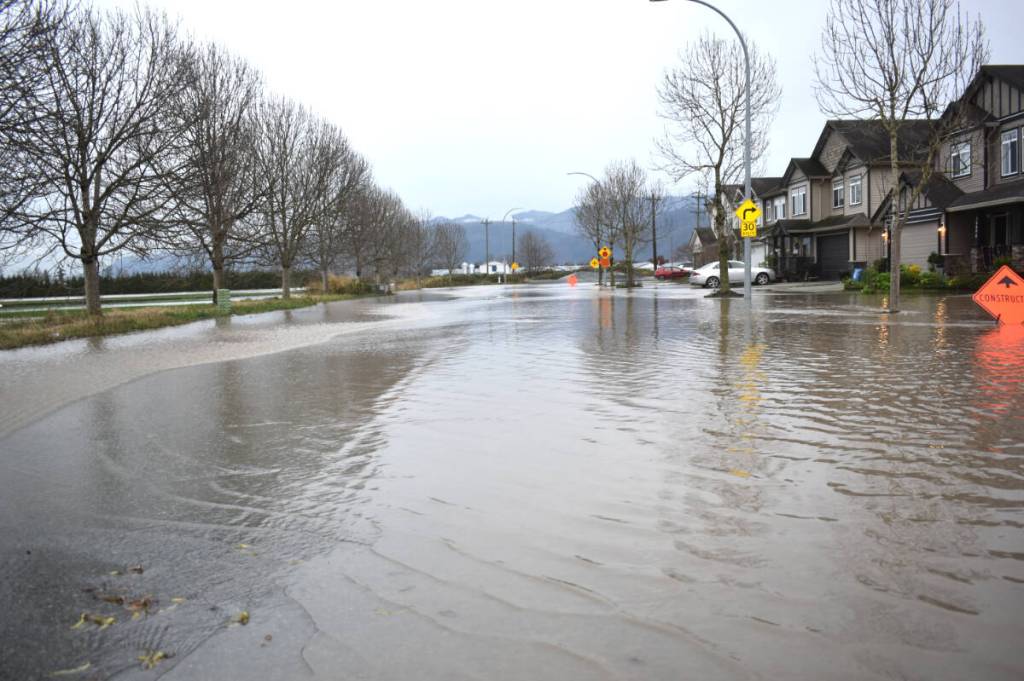
Recent flooding in British Columbia has resulted in nearly $90 million in insured damages, according to data from Catastrophe Indices and Quantification Inc.. The floods, which submerged large areas of the Fraser Valley, have highlighted the ongoing vulnerability of the region to severe weather events. While this damage figure is significantly lower than the $675 million incurred during the catastrophic floods of 2021, it underscores the urgent need for comprehensive recovery efforts and enhanced flood resilience.
The majority of the recent destruction occurred in the Fraser Valley, where damages are estimated at approximately $74 million. Aaron Sutherland, vice-president of the Insurance Bureau of Canada’s Pacific and Western division, emphasized the necessity for increased government support. He stated, “Investing in community resilience and damage prevention is always more cost-effective than paying to rebuild year after year following every disaster.” Sutherland urged for prioritization of risk reduction, which could improve access to flood insurance for homeowners in high-risk areas, offering more robust support than the current disaster assistance programs.
Abbotsford’s Mayor Ross Siemens previously expressed his disappointment with the federal government’s response to flood resiliency. Following the December flooding, city officials noted that while eastern areas of Abbotsford were more severely impacted, overall recovery efforts would be extensive. The City of Abbotsford reported that the flooding primarily affected parkland with minimal infrastructure, resulting in an estimated damage of $40,000 to insured property.
Recovery efforts are already underway, focusing on essential road and culvert repairs. However, the impact of the flooding extends far beyond material damage. Nearly 500 families were displaced, livestock losses occurred, and a crucial section of Highway 1, a key transportation corridor in the province, was closed for three days. City staff highlighted the immense strain that such emergencies place on the community, advocating for long-term flood mitigation funding to support both provincial food security and the economy.
A study published in the Journal of Hydrology in 2024 warns that the frequency and severity of flooding events in southern Canada are projected to worsen. The research indicates that while spring flooding trends may remain stable in southern British Columbia, significant increases in summer flooding around the Lower Mainland are expected by 2050, continuing to escalate through 2080.
The recent floods in British Columbia serve as a stark reminder of the increasing challenges posed by climate change and the critical need for effective flood management strategies. As communities work toward recovery, a proactive approach to risk reduction and infrastructure resilience will be essential in mitigating the impact of future disasters.

Meta Plans Major Layoffs as AI Costs Surge

Alberta’s Referendum Could Pave Way for U.S. Statehood

Minooka District 201 Plans Enhanced Bilingual Support for Students

Canmore Approves Multiple Development Permits for New Projects

Remembering Bradly Castillo Shearsmith: A Life of Friendship and Joy

BIS Urges Watchdogs to Integrate Synthetic Risk Transfers in Stress Tests

Teva Transforms: Shifting Focus from Generics to Branded Success

Apple Launches AirPods Max 2 with Enhanced Audio Features

Ontario Ends Funding for Seven Supervised Injection Sites

Toyoake City Proposes Daily Two-Hour Smartphone Use Limit

Pedestrian Fatally Injured in Esquimalt Collision on August 14

B.C. Review Reveals Urgent Need for Rare-Disease Drug Reforms

Dark Adventure Game “Bye Sweet Carole” Set for October Release

Konami Revives Iconic Metal Gear Solid Delta Ahead of Release

Jimmy Lai’s Defense Challenges Charges Under National Security Law

Victoria’s Pop-Up Shop Shines Light on B.C.’s Wolf Cull

Snapmaker U1 Color 3D Printer Redefines Speed and Sustainability

Apple Expands Self-Service Repair Program to Canada
-
 Science11 months ago
Toyoake City Proposes Daily Two-Hour Smartphone Use Limit
-
 Top Stories11 months ago
Pedestrian Fatally Injured in Esquimalt Collision on August 14
-
 Health11 months ago
B.C. Review Reveals Urgent Need for Rare-Disease Drug Reforms
-
 Technology11 months ago
Dark Adventure Game “Bye Sweet Carole” Set for October Release
-
 Technology11 months ago
Konami Revives Iconic Metal Gear Solid Delta Ahead of Release
-
 World11 months ago
Jimmy Lai’s Defense Challenges Charges Under National Security Law
-
 Lifestyle11 months ago
Victoria’s Pop-Up Shop Shines Light on B.C.’s Wolf Cull
-
 Technology11 months ago
Snapmaker U1 Color 3D Printer Redefines Speed and Sustainability
-
 Technology11 months ago
Apple Expands Self-Service Repair Program to Canada
-

 Technology11 months ago
AION Folding Knife: Redefining EDC Design with Premium Materials
-

 Technology11 months ago
Solve Today’s Wordle Challenge: Hints and Answer for August 19
-

 Business11 months ago
Gordon Murray Automotive Unveils S1 LM and Le Mans GTR at Monterey