
Top Stories
Escalating Conflict: Iran Strikes US Embassy as Regional Tensions Rise

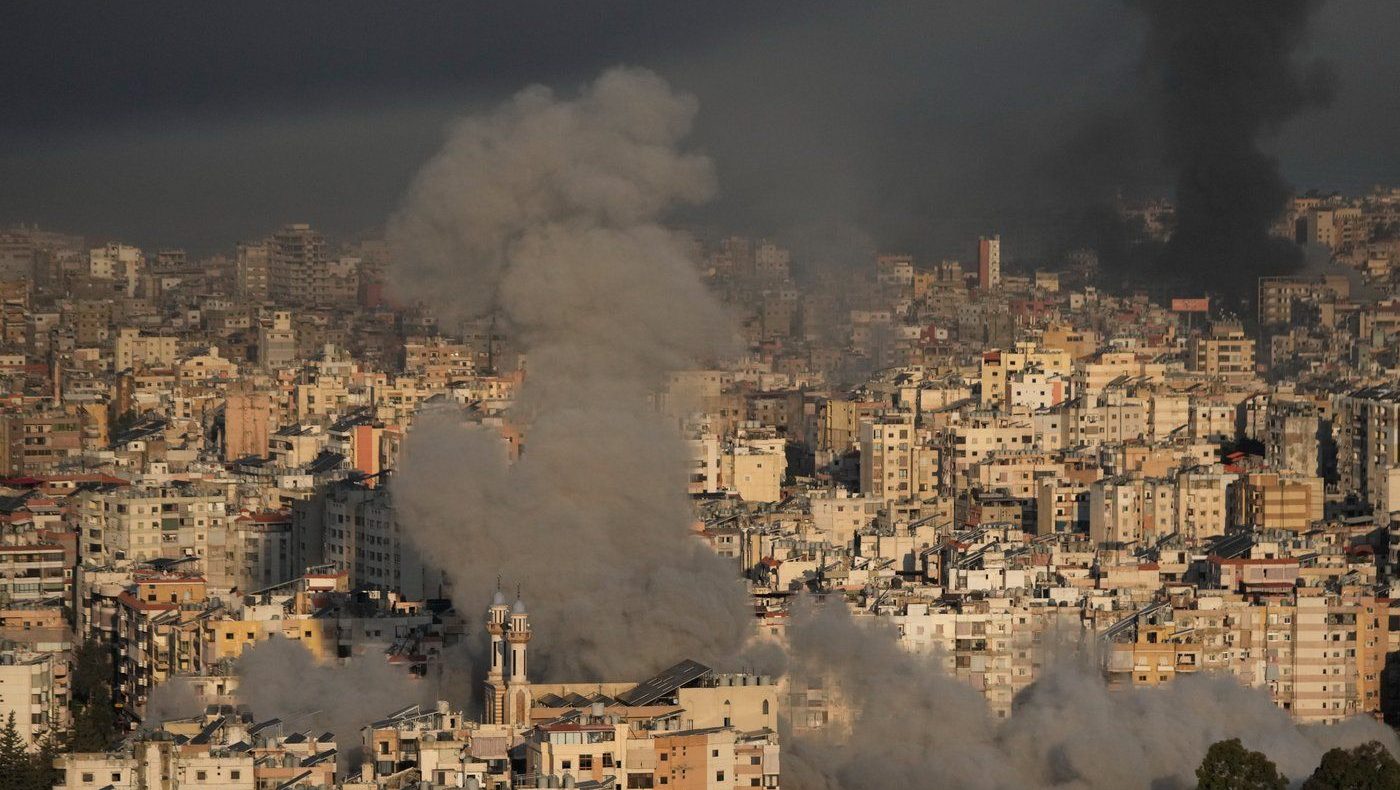
Tensions in the Middle East escalated dramatically on March 3, 2026, as Iran launched a drone attack on the U.S. Embassy in Saudi Arabia’s capital, Riyadh. This incident marks a significant intensification of hostilities following the recent killing of Iran’s Supreme Leader Ayatollah Ali Khamenei, which has prompted retaliatory strikes from both Iran and its allies.
In the days leading up to the drone strike, airstrikes by the United States and Israel have reportedly killed at least 787 people in Iran, according to the Iranian Red Crescent Society. Explosions were heard in Tehran overnight as Iranian forces retaliated against U.S. and Israeli positions, targeting areas critical to the region’s oil and natural gas supply.
Regional Responses and Military Movements
The conflict has rapidly expanded into Lebanon, where the Iranian-backed militant group Hezbollah fired missiles at Israel. In response, the Israeli military conducted airstrikes in Beirut and deployed additional troops to southern Lebanon, fortifying several strategic positions near the border.
As the situation continues to evolve, China’s Foreign Minister Wang Yi expressed concerns over the potential repercussions of the attacks on Iran during a phone call with Israel’s Foreign Minister Gideon Sa’ar. Wang called for an immediate halt to military operations, emphasizing the importance of diplomatic solutions to the ongoing crisis.
Meanwhile, Iraq’s Ministry of Oil announced a temporary cessation of production at a key oil field due to the conflict’s disruption of the vital Strait of Hormuz. This strategic waterway, which sees about 20% of the world’s oil pass through, has been severely impacted, resulting in rising global crude oil prices.
International Reactions and Evacuations
The conflict has prompted various nations to respond. South Korea successfully evacuated 62 nationals from Israel to Egypt, while a group of 23 South Koreans was brought from Iran to Turkmenistan. Ukrainian President Volodymyr Zelenskyy also offered to exchange interceptor drones for U.S.-made missiles, underscoring the global ramifications of the conflict.
In a stark warning, the U.S. Embassy in Riyadh has alerted its citizens about an “imminent” missile and drone threat targeting the oil-rich city of Dhahran. The embassy advised Americans to stay indoors and avoid the consulate.
The economic implications of the ongoing conflict are significant. The U.S. stock market suffered a steep decline, with the Dow Jones Industrial Average dropping 1.8% as oil prices surged over 8% following the Iranian strike on the embassy. Analysts suggest that the escalating tensions could pose lasting damage to global economic stability.
As the situation unfolds, the international community remains on high alert, with calls for de-escalation and diplomatic negotiations increasing. The implications of these attacks extend beyond regional borders, threatening to destabilize global markets and international relations.

Meta Plans Major Layoffs as AI Costs Surge

Alberta’s Referendum Could Pave Way for U.S. Statehood

Minooka District 201 Plans Enhanced Bilingual Support for Students

Canmore Approves Multiple Development Permits for New Projects

Remembering Bradly Castillo Shearsmith: A Life of Friendship and Joy

BIS Urges Watchdogs to Integrate Synthetic Risk Transfers in Stress Tests

Teva Transforms: Shifting Focus from Generics to Branded Success

Apple Launches AirPods Max 2 with Enhanced Audio Features

Ontario Ends Funding for Seven Supervised Injection Sites

Toyoake City Proposes Daily Two-Hour Smartphone Use Limit

Pedestrian Fatally Injured in Esquimalt Collision on August 14

B.C. Review Reveals Urgent Need for Rare-Disease Drug Reforms

Dark Adventure Game “Bye Sweet Carole” Set for October Release

Konami Revives Iconic Metal Gear Solid Delta Ahead of Release

Victoria’s Pop-Up Shop Shines Light on B.C.’s Wolf Cull

Jimmy Lai’s Defense Challenges Charges Under National Security Law

Snapmaker U1 Color 3D Printer Redefines Speed and Sustainability

Apple Expands Self-Service Repair Program to Canada
-
 Science11 months ago
Toyoake City Proposes Daily Two-Hour Smartphone Use Limit
-
 Top Stories11 months ago
Pedestrian Fatally Injured in Esquimalt Collision on August 14
-
 Health11 months ago
B.C. Review Reveals Urgent Need for Rare-Disease Drug Reforms
-
 Technology11 months ago
Dark Adventure Game “Bye Sweet Carole” Set for October Release
-
 Technology11 months ago
Konami Revives Iconic Metal Gear Solid Delta Ahead of Release
-
 Lifestyle11 months ago
Victoria’s Pop-Up Shop Shines Light on B.C.’s Wolf Cull
-
 World11 months ago
Jimmy Lai’s Defense Challenges Charges Under National Security Law
-
 Technology11 months ago
Snapmaker U1 Color 3D Printer Redefines Speed and Sustainability
-
 Technology11 months ago
Apple Expands Self-Service Repair Program to Canada
-

 Technology11 months ago
AION Folding Knife: Redefining EDC Design with Premium Materials
-

 Technology11 months ago
Solve Today’s Wordle Challenge: Hints and Answer for August 19
-

 Business11 months ago
Gordon Murray Automotive Unveils S1 LM and Le Mans GTR at Monterey