
Top Stories
Nova Scotia Premier Launches Initiative Against Illegal Cannabis Sales

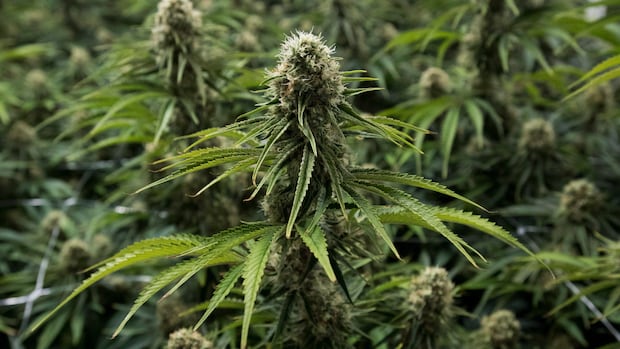
The government of Nova Scotia has initiated a crackdown on illegal cannabis dispensaries, with a specific appeal to the province’s Mi’kmaw chiefs for support in addressing sales on Indigenous lands. According to a letter from Scott Armstrong, the province’s Justice Minister, there are at least 118 illegal dispensaries operating within Mi’kmaw communities. This action comes amid ongoing concerns regarding compliance with provincial cannabis regulations.
During a press briefing, Armstrong acknowledged uncertainty about the exact number of illegal cannabis stores located on First Nation land. Nevertheless, he confirmed the presence of 118 illegal outlets throughout Nova Scotia. The province’s cannabis laws are stringent, controlling the retail environment to ensure safety and compliance.
Despite the government’s efforts, some Indigenous advocates have condemned the initiative. Thomas Durfee, a prominent cannabis advocate, criticized the crackdown as “blatantly racist.” He argues that such actions undermine Mi’kmaw sovereignty and their legal entitlements under treaties established with the British Crown in the 1700s. Durfee claims he has the right to operate cannabis sales at treaty truckhouses, a term referring to traditional trading posts recognized in historical treaties.
Durfee’s legal battle has drawn attention, particularly following a recent raid on one of his cannabis outlets. His situation highlights a broader tension between provincial regulations and Indigenous rights, raising questions about the balance of power in the context of cannabis legislation.
The Nova Scotia government’s approach reflects a growing desire to regulate the cannabis market effectively, addressing illegal operations that challenge the legal framework established after cannabis legalization. As the situation unfolds, the collaboration—or conflict—between provincial authorities and Indigenous leaders will be crucial in shaping the future of cannabis sales in the region.
The call for cooperation with Mi’kmaw chiefs indicates an effort to engage with Indigenous communities in addressing these challenges. However, the pushback from advocates like Durfee suggests that meaningful dialogue is needed to reconcile differing perspectives on sovereignty and legality in cannabis sales.
The coming months will likely reveal how Nova Scotia navigates this complex issue, balancing enforcement with respect for Indigenous rights and agreements. The implications for both local communities and the legal cannabis market remain to be fully understood as this situation develops.

Meta Plans Major Layoffs as AI Costs Surge

Alberta’s Referendum Could Pave Way for U.S. Statehood

Minooka District 201 Plans Enhanced Bilingual Support for Students

Canmore Approves Multiple Development Permits for New Projects

Remembering Bradly Castillo Shearsmith: A Life of Friendship and Joy

BIS Urges Watchdogs to Integrate Synthetic Risk Transfers in Stress Tests

Teva Transforms: Shifting Focus from Generics to Branded Success

Apple Launches AirPods Max 2 with Enhanced Audio Features

Ontario Ends Funding for Seven Supervised Injection Sites

Toyoake City Proposes Daily Two-Hour Smartphone Use Limit

Pedestrian Fatally Injured in Esquimalt Collision on August 14

B.C. Review Reveals Urgent Need for Rare-Disease Drug Reforms

Dark Adventure Game “Bye Sweet Carole” Set for October Release

Konami Revives Iconic Metal Gear Solid Delta Ahead of Release

Victoria’s Pop-Up Shop Shines Light on B.C.’s Wolf Cull

Jimmy Lai’s Defense Challenges Charges Under National Security Law

Snapmaker U1 Color 3D Printer Redefines Speed and Sustainability

Apple Expands Self-Service Repair Program to Canada
-
 Science11 months ago
Toyoake City Proposes Daily Two-Hour Smartphone Use Limit
-
 Top Stories11 months ago
Pedestrian Fatally Injured in Esquimalt Collision on August 14
-
 Health11 months ago
B.C. Review Reveals Urgent Need for Rare-Disease Drug Reforms
-
 Technology11 months ago
Dark Adventure Game “Bye Sweet Carole” Set for October Release
-
 Technology11 months ago
Konami Revives Iconic Metal Gear Solid Delta Ahead of Release
-
 Lifestyle11 months ago
Victoria’s Pop-Up Shop Shines Light on B.C.’s Wolf Cull
-
 World11 months ago
Jimmy Lai’s Defense Challenges Charges Under National Security Law
-
 Technology11 months ago
Snapmaker U1 Color 3D Printer Redefines Speed and Sustainability
-
 Technology11 months ago
Apple Expands Self-Service Repair Program to Canada
-

 Technology11 months ago
AION Folding Knife: Redefining EDC Design with Premium Materials
-

 Technology11 months ago
Solve Today’s Wordle Challenge: Hints and Answer for August 19
-

 Business11 months ago
Gordon Murray Automotive Unveils S1 LM and Le Mans GTR at Monterey