
Top Stories
Saskatchewan Joins National Energy Agreement to Boost Power Grids

Saskatchewan has officially joined a national energy agreement aimed at improving the interconnectivity of power grids across Canada. This partnership was initiated by Ontario, which seeks to enhance the transmission of electricity among various provinces and territories. Alongside Saskatchewan, the agreement includes the four western provinces, New Brunswick, Prince Edward Island, Nova Scotia, Yukon, and the Northwest Territories.
Strengthening Energy Infrastructure
According to a news release from Ontario’s Ministry of Energy and Mines, the agreement represents a significant milestone in nation-building. It aims to dismantle long-standing barriers between provincial grids, fostering a more resilient and self-sufficient energy system. Ontario Energy Minister Stephen Lecce emphasized the initiative’s importance, stating, “We are advancing made-in-Canada energy solutions to meet unprecedented energy demand and keep Canada’s economy strong.”
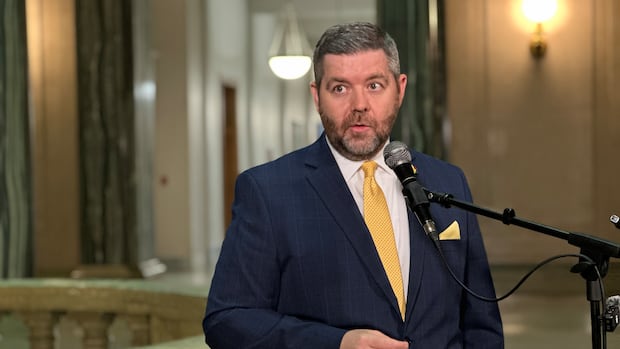
Saskatchewan’s Minister responsible for the Crown Investments Corporation and SaskPower, Jeremy Harrison, expressed optimism about the province’s role in this initiative. He highlighted Saskatchewan’s potential for substantial investment in resources such as uranium and potash mining. “These sorts of investments will create jobs and opportunities for people right here at home,” Harrison remarked during a press briefing at the Saskatchewan Legislative Building.
The Saskatchewan government previously announced a plan in February 2024 to reinforce its existing power and transmission systems. This plan aims to support electrical growth and improve overall safety. Additionally, new power transmission projects are set to be developed in the province’s northern regions. Harrison noted that these strategies will facilitate better integration of the province’s northern and southern power grids, enhancing the efficiency of electricity transport.
Collaboration and Indigenous Inclusion
The new agreement is designed to facilitate collaboration among participating governments on energy projects, ensuring that power generated within Canada is utilized domestically rather than exported. A critical aspect of the partnership is its commitment to working closely with Indigenous communities. The Ontario release stated that these communities will have meaningful participation in decision-making processes and will benefit economically from future power projects.
The partners also intend to advocate for federal support, including investments in electrical transmission corridors. Their vision includes establishing a comprehensive electrical strategy that connects Canada from east to west and north to south, ultimately improving transmission infrastructure across the nation.
As Saskatchewan continues to develop its energy capabilities, the commitment to expanding electricity transmission is expected to play a vital role in meeting the province’s energy needs. The government has pledged to pursue projects that will enhance the province’s overall energy landscape, ensuring that Saskatchewan remains a key player in Canada’s energy future.

Meta Plans Major Layoffs as AI Costs Surge

Alberta’s Referendum Could Pave Way for U.S. Statehood

Minooka District 201 Plans Enhanced Bilingual Support for Students

Canmore Approves Multiple Development Permits for New Projects

Remembering Bradly Castillo Shearsmith: A Life of Friendship and Joy

BIS Urges Watchdogs to Integrate Synthetic Risk Transfers in Stress Tests

Teva Transforms: Shifting Focus from Generics to Branded Success

Apple Launches AirPods Max 2 with Enhanced Audio Features

Ontario Ends Funding for Seven Supervised Injection Sites

Toyoake City Proposes Daily Two-Hour Smartphone Use Limit

Pedestrian Fatally Injured in Esquimalt Collision on August 14

B.C. Review Reveals Urgent Need for Rare-Disease Drug Reforms

Dark Adventure Game “Bye Sweet Carole” Set for October Release

Konami Revives Iconic Metal Gear Solid Delta Ahead of Release

Victoria’s Pop-Up Shop Shines Light on B.C.’s Wolf Cull

Jimmy Lai’s Defense Challenges Charges Under National Security Law

Snapmaker U1 Color 3D Printer Redefines Speed and Sustainability

Apple Expands Self-Service Repair Program to Canada
-
 Science1 year ago
Toyoake City Proposes Daily Two-Hour Smartphone Use Limit
-
 Top Stories1 year ago
Pedestrian Fatally Injured in Esquimalt Collision on August 14
-
 Health1 year ago
B.C. Review Reveals Urgent Need for Rare-Disease Drug Reforms
-
 Technology1 year ago
Dark Adventure Game “Bye Sweet Carole” Set for October Release
-
 Technology1 year ago
Konami Revives Iconic Metal Gear Solid Delta Ahead of Release
-
 Lifestyle1 year ago
Victoria’s Pop-Up Shop Shines Light on B.C.’s Wolf Cull
-
 World1 year ago
Jimmy Lai’s Defense Challenges Charges Under National Security Law
-
 Technology1 year ago
Snapmaker U1 Color 3D Printer Redefines Speed and Sustainability
-
 Technology1 year ago
Apple Expands Self-Service Repair Program to Canada
-

 Technology1 year ago
AION Folding Knife: Redefining EDC Design with Premium Materials
-

 Technology1 year ago
Solve Today’s Wordle Challenge: Hints and Answer for August 19
-

 Business1 year ago
Gordon Murray Automotive Unveils S1 LM and Le Mans GTR at Monterey