
Top Stories
Transforming Android Tablets into ATEX Certified Devices

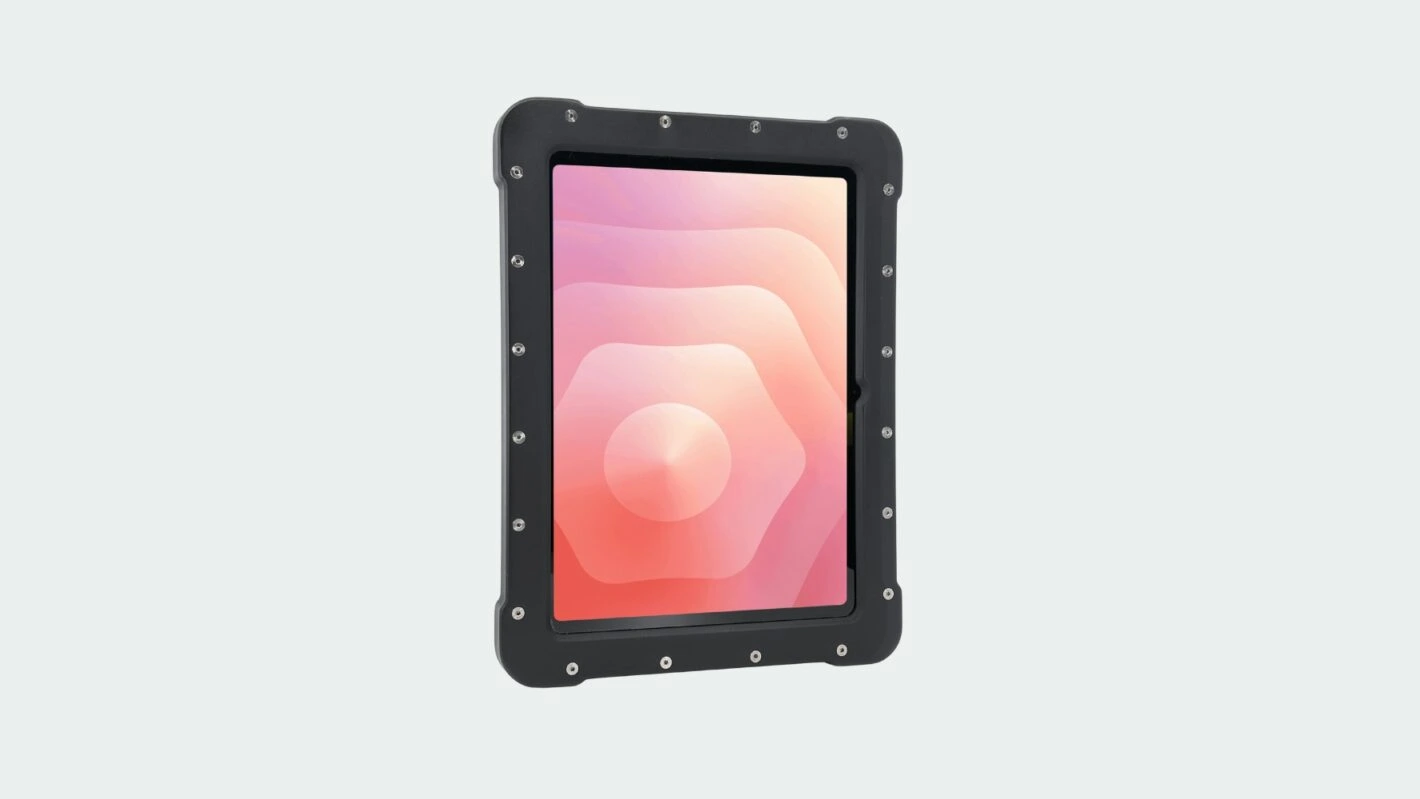
In a significant development for industrial sectors, a new modular enclosure system is enabling standard 10 to 11-inch Android tablets to become compliant with ATEX regulations. This innovation allows devices used in hazardous environments—such as oil refineries and chemical plants—to operate safely without the need for expensive, fully integrated explosion-proof tablets.
Understanding ATEX is crucial for companies operating in volatile atmospheres. The acronym stands for “ATmosphères EXplosibles,” referring to European regulations that govern equipment used in environments where flammable gases, vapors, or combustible dust are present. These substances can ignite if conditions are right, making it critical for devices in these areas to be designed or integrated to prevent ignition risks.
Modern Android tablets, while popular in various industries, contain several potential ignition sources, including:
- Power management circuits
- Charging interfaces
- Internal heat generation
- Connectors that may arc under fault conditions
Due to these risks, even ruggedized tablets cannot be used in classified hazardous areas without appropriate certifications.
Challenges in Certification and Compliance
Traditionally, companies seeking to deploy tablets in Zone 2 or Zone 22 environments faced limited options. They could either invest in costly explosion-certified tablets that are built as a single unit or utilize ATEX housings designed for specific tablet models. The former option, while safe, requires complete replacement of the device when internal components become outdated, leading to higher long-term costs.
On the other hand, tablet-specific housings offer flexibility but often tie certification to a single generation of hardware. This creates a disconnect between the rapid evolution of consumer technology and the slower pace of industrial certification processes.
Introducing a Modular Solution
A new approach separates certification from the tablet itself. The certified element becomes the modular explosion-proof enclosure, which can accommodate various tablets through tailored device-specific corner inlays. This innovative system ensures that each supported tablet has stable positioning, vibration resistance, and full access to essential functions such as buttons, cameras, and USB-C connectivity.
The enclosure itself is certified under both ATEX and IECEx for use in hazardous environments. This means that when a company upgrades to a newer tablet model, only the internal inlays need to be replaced, while the certified housing remains in service. This separation of components significantly reduces long-term ownership costs, minimizes downtime, and aligns procurement with standard enterprise IT cycles.
For organizations utilizing Android tablets, this modular approach complements the platform’s inherent flexibility. Supported devices include popular models such as the Samsung Galaxy Tab S11 and Galaxy Tab S10 FE. This flexibility allows companies to select devices based on their operational needs without compromising safety compliance.
As a result, if a new tablet generation offers improved battery life, processing power, or display quality, organizations can upgrade without needing to replace the entire certified system. The enclosure remains constant, while internal configurations adapt to the latest technology.
In essence, this model mirrors the management of enterprise infrastructure, allowing for selective upgrades rather than complete system overhauls.
The evolution of industrial mobility is increasingly leaning toward modular and lifecycle-controlled solutions. By applying this philosophy to explosion-protected mobile devices, companies can maintain safety without sacrificing technological advancement.
For industries operating in explosive atmospheres, this transition is pivotal. ATEX regulations may not be a primary concern in consumer tech discussions, but they are crucial for digital transformation in sectors like pharmaceuticals and oil and gas.
By moving the certification focus to the enclosure rather than tying it to a single tablet model, the industry is taking significant steps toward more sustainable and adaptable mobility solutions. This new approach not only enhances safety compliance but also promotes operational efficiency, making high-performance Android tablets viable in hazardous environments.

Meta Plans Major Layoffs as AI Costs Surge

Alberta’s Referendum Could Pave Way for U.S. Statehood

Minooka District 201 Plans Enhanced Bilingual Support for Students

Canmore Approves Multiple Development Permits for New Projects

Remembering Bradly Castillo Shearsmith: A Life of Friendship and Joy

BIS Urges Watchdogs to Integrate Synthetic Risk Transfers in Stress Tests

Teva Transforms: Shifting Focus from Generics to Branded Success

Apple Launches AirPods Max 2 with Enhanced Audio Features

Ontario Ends Funding for Seven Supervised Injection Sites

Toyoake City Proposes Daily Two-Hour Smartphone Use Limit

Pedestrian Fatally Injured in Esquimalt Collision on August 14

B.C. Review Reveals Urgent Need for Rare-Disease Drug Reforms

Dark Adventure Game “Bye Sweet Carole” Set for October Release

Konami Revives Iconic Metal Gear Solid Delta Ahead of Release

Victoria’s Pop-Up Shop Shines Light on B.C.’s Wolf Cull

Jimmy Lai’s Defense Challenges Charges Under National Security Law

Snapmaker U1 Color 3D Printer Redefines Speed and Sustainability

Apple Expands Self-Service Repair Program to Canada
-
 Science12 months ago
Toyoake City Proposes Daily Two-Hour Smartphone Use Limit
-
 Top Stories12 months ago
Pedestrian Fatally Injured in Esquimalt Collision on August 14
-
 Health12 months ago
B.C. Review Reveals Urgent Need for Rare-Disease Drug Reforms
-
 Technology12 months ago
Dark Adventure Game “Bye Sweet Carole” Set for October Release
-
 Technology12 months ago
Konami Revives Iconic Metal Gear Solid Delta Ahead of Release
-
 Lifestyle12 months ago
Victoria’s Pop-Up Shop Shines Light on B.C.’s Wolf Cull
-
 World12 months ago
Jimmy Lai’s Defense Challenges Charges Under National Security Law
-
 Technology12 months ago
Snapmaker U1 Color 3D Printer Redefines Speed and Sustainability
-
 Technology12 months ago
Apple Expands Self-Service Repair Program to Canada
-

 Technology12 months ago
AION Folding Knife: Redefining EDC Design with Premium Materials
-

 Technology12 months ago
Solve Today’s Wordle Challenge: Hints and Answer for August 19
-

 Business12 months ago
Gordon Murray Automotive Unveils S1 LM and Le Mans GTR at Monterey