
World
Air Canada Questions A321XLR Purchase Amid Operational Concerns

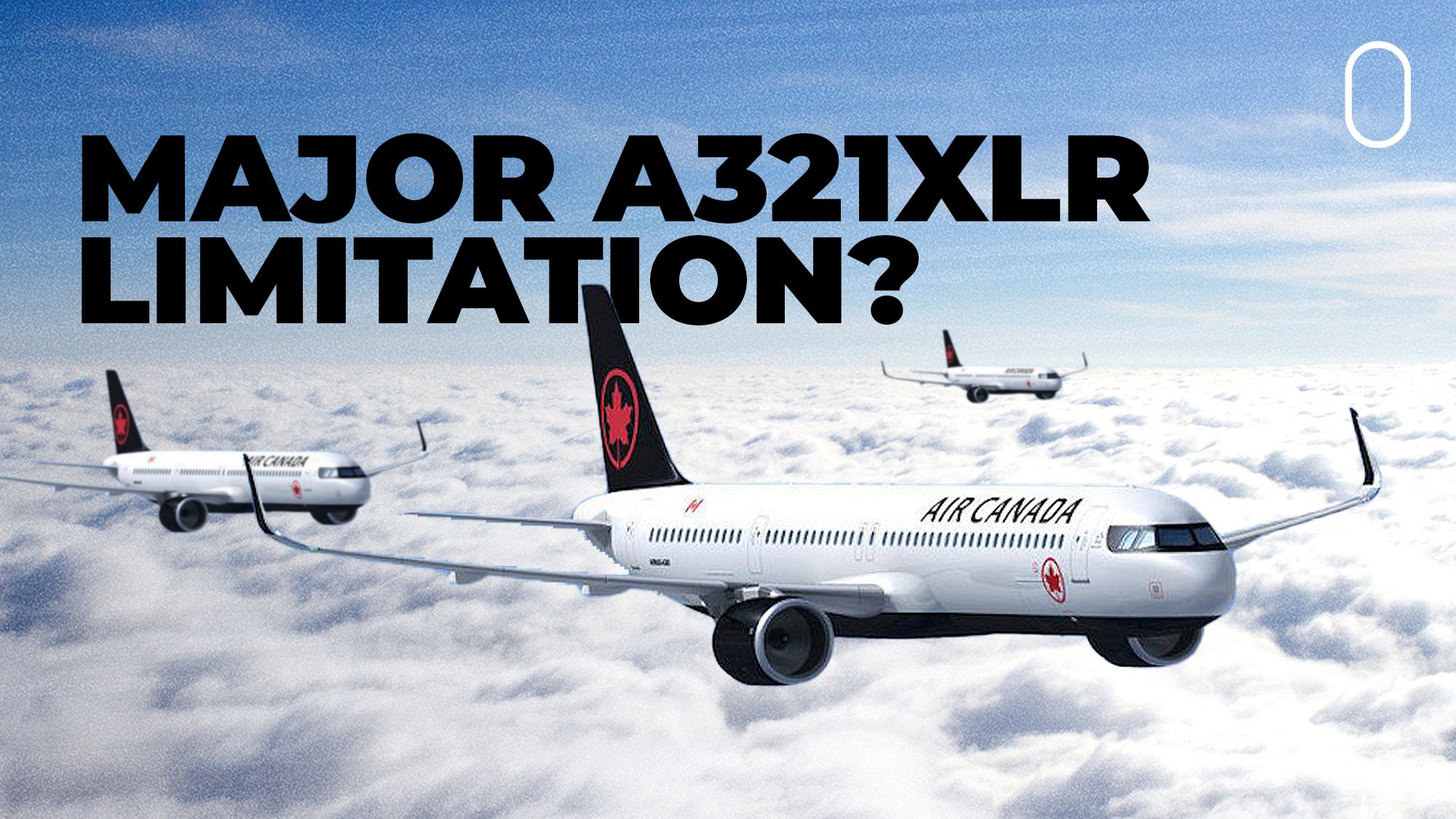
Air Canada is reassessing its decision to purchase the Airbus A321XLR following remarks from Chief Commercial Officer, Mark Galardo. In an interview with The Airline Observer, Galardo revealed that a critical factor was overlooked during the acquisition process, which could have significant implications for the airline’s operational strategies.
The Airbus A321XLR, known for its extended range and efficiency, was initially seen as a strategic addition to Air Canada’s fleet. However, Galardo’s comments suggest that the airline may face unforeseen challenges. He did not specify the exact aspect that was missed, but it raises questions about the thoroughness of the evaluation conducted prior to the purchase.
Operational Challenges on the Horizon
Air Canada plans to utilize the A321XLR for its transcontinental routes, which are essential for connecting various regions across North America. The aircraft is touted for its ability to operate longer flights without the need for additional stops. Despite these advantages, Galardo’s admission implies that there could be operational limitations that were not fully addressed.
This situation has led to speculation within the aviation industry about how Air Canada will navigate these potential issues. The airline’s fleet management strategies may need to adapt to mitigate any adverse effects on service reliability and passenger satisfaction.
Air Canada’s leadership is now under pressure to clarify how these considerations will influence their future operations. As of now, the airline remains committed to the A321XLR, but the operational concerns highlighted by Galardo may necessitate adjustments in their strategy moving forward.
Industry Implications and Future Considerations
The A321XLR’s role in Air Canada’s growth strategy is significant, particularly as the airline seeks to expand its market share post-pandemic. As travel demand continues to rebound, airlines are striving to optimize their fleets to meet evolving passenger needs.
Galardo’s comments serve as a reminder of the complexities involved in fleet decisions. Airlines must balance the benefits of new technology with the realities of operational logistics. The aviation sector is known for its razor-thin margins, and any miscalculation could have far-reaching consequences.
As Air Canada navigates these challenges, it will be crucial for the airline to communicate transparently with stakeholders. Investors and customers alike will be watching closely to see how the airline adapts to the concerns raised by its leadership.
In conclusion, while the A321XLR was anticipated to be a key player in Air Canada’s operational framework, recent insights from Galardo suggest that the airline must now confront unexpected challenges. The coming months will reveal how Air Canada plans to address these issues and whether it can leverage the A321XLR’s capabilities effectively.

Meta Plans Major Layoffs as AI Costs Surge

Alberta’s Referendum Could Pave Way for U.S. Statehood

Minooka District 201 Plans Enhanced Bilingual Support for Students

Canmore Approves Multiple Development Permits for New Projects

Remembering Bradly Castillo Shearsmith: A Life of Friendship and Joy

BIS Urges Watchdogs to Integrate Synthetic Risk Transfers in Stress Tests

Teva Transforms: Shifting Focus from Generics to Branded Success

Apple Launches AirPods Max 2 with Enhanced Audio Features

Ontario Ends Funding for Seven Supervised Injection Sites

Toyoake City Proposes Daily Two-Hour Smartphone Use Limit

Pedestrian Fatally Injured in Esquimalt Collision on August 14

B.C. Review Reveals Urgent Need for Rare-Disease Drug Reforms

Dark Adventure Game “Bye Sweet Carole” Set for October Release

Konami Revives Iconic Metal Gear Solid Delta Ahead of Release

Victoria’s Pop-Up Shop Shines Light on B.C.’s Wolf Cull

Jimmy Lai’s Defense Challenges Charges Under National Security Law

Snapmaker U1 Color 3D Printer Redefines Speed and Sustainability

Apple Expands Self-Service Repair Program to Canada
-
 Science12 months ago
Toyoake City Proposes Daily Two-Hour Smartphone Use Limit
-
 Top Stories12 months ago
Pedestrian Fatally Injured in Esquimalt Collision on August 14
-
 Health12 months ago
B.C. Review Reveals Urgent Need for Rare-Disease Drug Reforms
-
 Technology12 months ago
Dark Adventure Game “Bye Sweet Carole” Set for October Release
-
 Technology12 months ago
Konami Revives Iconic Metal Gear Solid Delta Ahead of Release
-
 Lifestyle12 months ago
Victoria’s Pop-Up Shop Shines Light on B.C.’s Wolf Cull
-
 World12 months ago
Jimmy Lai’s Defense Challenges Charges Under National Security Law
-
 Technology12 months ago
Snapmaker U1 Color 3D Printer Redefines Speed and Sustainability
-
 Technology12 months ago
Apple Expands Self-Service Repair Program to Canada
-

 Technology12 months ago
AION Folding Knife: Redefining EDC Design with Premium Materials
-

 Technology12 months ago
Solve Today’s Wordle Challenge: Hints and Answer for August 19
-

 Business12 months ago
Gordon Murray Automotive Unveils S1 LM and Le Mans GTR at Monterey