
World
American Airlines: A Century of Evolution and Innovation

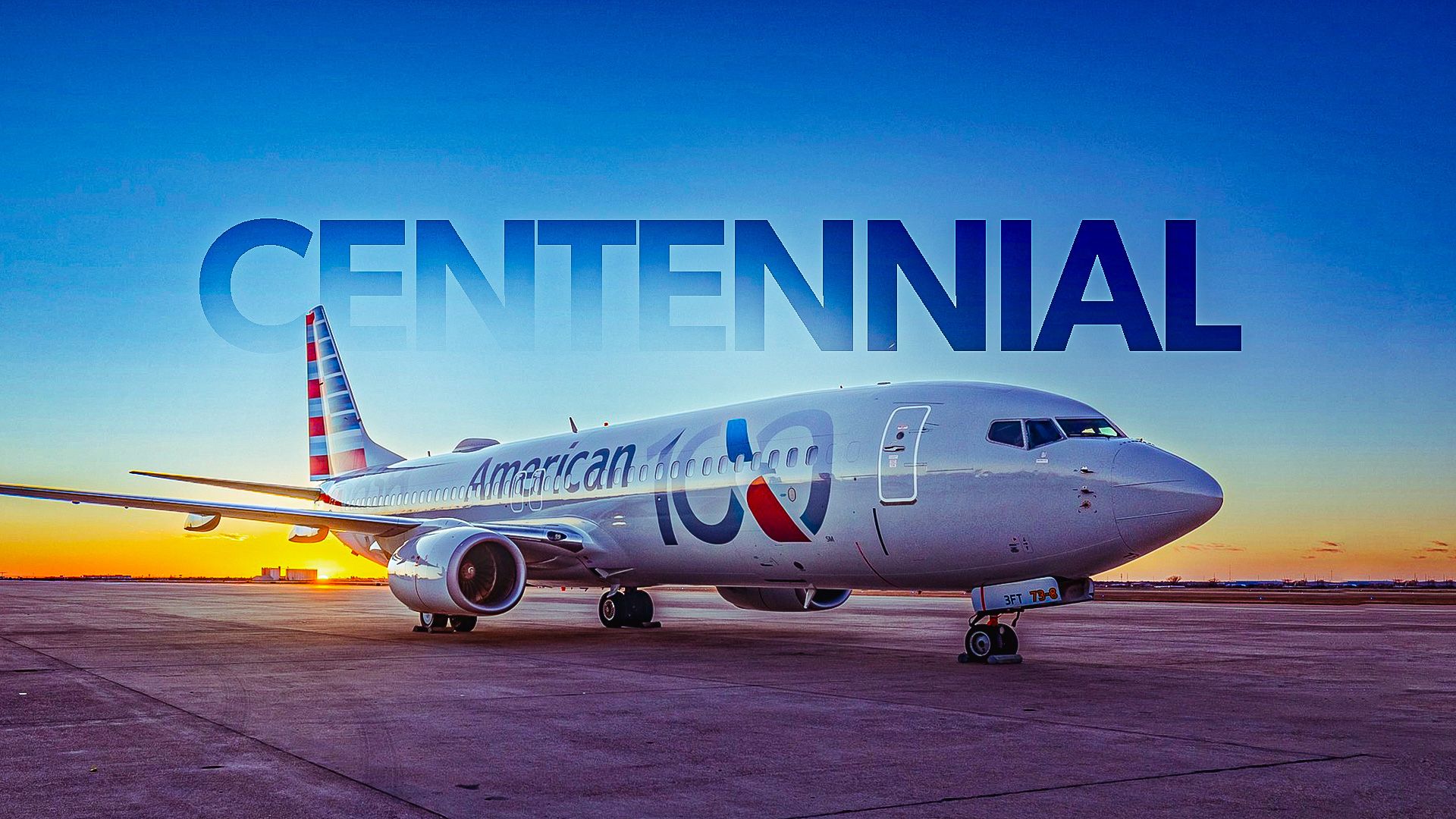
American Airlines, headquartered in Fort Worth, Texas, has marked its centenary in the aviation industry, emerging as the world’s largest airline by several key metrics, including passengers carried and flights operated. From its early days to its current status as an aviation giant, the airline’s journey reflects significant transformations in operational strategies and market positioning.
Foundations of an Iconic Carrier
American Airlines traces its origins back to April 15, 1926, when aviator Charles A. Lindbergh flew mail between Chicago and St. Louis under the Robertson Aircraft Corporation. Following a series of consolidations, the company was renamed American Airlines in 1930. Early on, American set itself apart by emphasizing reliability and operational standardization, which became pivotal as commercial air travel began to gain popularity. By 1936, American Airlines was the first to operate the Douglas DC-3 in commercial service, establishing a reputation for punctuality and consistency that would become synonymous with the brand.
The airline’s status was further solidified when it began trading on the New York Stock Exchange in 1939. This transition from a small carrier to a publicly-traded entity marked a significant milestone in its evolution, allowing it to invest in infrastructure and expand its reach.
Postwar Expansion and the Jet Age
The post-war period heralded a new era for American Airlines. The airline transitioned from merely proving the viability of commercial aviation to becoming a leading industry player. In 1944, it launched what it claimed was the world’s first scheduled air cargo service from LaGuardia Airport (LGA). The subsequent establishment of a maintenance base in Tulsa in 1946 demonstrated a commitment to reliability and cost control.
The introduction of the Boeing 707 in 1959 marked American’s entry into the jet age, allowing for increased speed and capacity. Throughout the 1960s and 1970s, the airline focused on operational efficiency and customer experience, becoming a pioneer in the use of technology with the implementation of the Sabre reservation system. This innovation enabled American to manage seat inventory effectively and adapt to market demands rapidly.
American also made strides in diversity during this time, hiring Bonnie Tiburzi Caputo in 1973 as the first female pilot for a major U.S. airline, expanding its commitment to inclusivity within its workforce.
Resilience Through Challenges
The 1980s brought both challenges and opportunities for American Airlines. Following the deregulation of the airline industry in 1978, American adeptly transformed its business model to focus on customer loyalty, launching the AAdvantage program in 1981. This program not only incentivized frequent flyers but also established valuable partnerships with non-flying entities.
During the 1990s, American Airlines continued to expand its operations, celebrating its billionth customer in 1991 and committing to a non-smoking policy across all flights by 1997. The introduction of oneworld in 1999, alongside partners like British Airways and Qantas, further solidified its position in the global marketplace.
Despite facing financial difficulties, American Airlines demonstrated remarkable resilience. The airline filed for bankruptcy in 2011, but its merger with US Airways in 2013 paved the way for the creation of the American Airlines Group, marking a significant consolidation in the industry.
American Airlines Today
As American Airlines approaches its centenary, it is focused on enhancing its offerings to attract high-value customers. The airline has made significant investments in fleet renewal and operational efficiency. A recent announcement highlighted plans to increase daily departures at O’Hare International Airport (ORD) by 100 for the upcoming spring season, underscoring its commitment to meeting customer demand.
In an effort to improve passenger experience, American Airlines is also rolling out free high-speed Wi-Fi for AAdvantage members starting in January 2026. The airline’s focus on sustainability is evident as it emphasizes its validated emissions-reduction targets, positioning itself as a leader in responsible aviation practices.
American Airlines has transformed dramatically since its inception. From pioneering early aviation standards to becoming a key player in the global airline industry, it has adapted to changing market conditions and consumer preferences over the decades. As it celebrates its 100-year legacy, the airline continues to prioritize innovation, efficiency, and customer loyalty, ensuring its place in the future of air travel.

Meta Plans Major Layoffs as AI Costs Surge

Alberta’s Referendum Could Pave Way for U.S. Statehood

Minooka District 201 Plans Enhanced Bilingual Support for Students

Canmore Approves Multiple Development Permits for New Projects

Remembering Bradly Castillo Shearsmith: A Life of Friendship and Joy

BIS Urges Watchdogs to Integrate Synthetic Risk Transfers in Stress Tests

Teva Transforms: Shifting Focus from Generics to Branded Success

Apple Launches AirPods Max 2 with Enhanced Audio Features

Ontario Ends Funding for Seven Supervised Injection Sites

Toyoake City Proposes Daily Two-Hour Smartphone Use Limit

Pedestrian Fatally Injured in Esquimalt Collision on August 14

B.C. Review Reveals Urgent Need for Rare-Disease Drug Reforms

Dark Adventure Game “Bye Sweet Carole” Set for October Release

Konami Revives Iconic Metal Gear Solid Delta Ahead of Release

Victoria’s Pop-Up Shop Shines Light on B.C.’s Wolf Cull

Jimmy Lai’s Defense Challenges Charges Under National Security Law

Snapmaker U1 Color 3D Printer Redefines Speed and Sustainability

Apple Expands Self-Service Repair Program to Canada
-
 Science1 year ago
Toyoake City Proposes Daily Two-Hour Smartphone Use Limit
-
 Top Stories1 year ago
Pedestrian Fatally Injured in Esquimalt Collision on August 14
-
 Health1 year ago
B.C. Review Reveals Urgent Need for Rare-Disease Drug Reforms
-
 Technology1 year ago
Dark Adventure Game “Bye Sweet Carole” Set for October Release
-
 Technology1 year ago
Konami Revives Iconic Metal Gear Solid Delta Ahead of Release
-
 Lifestyle1 year ago
Victoria’s Pop-Up Shop Shines Light on B.C.’s Wolf Cull
-
 World1 year ago
Jimmy Lai’s Defense Challenges Charges Under National Security Law
-
 Technology1 year ago
Snapmaker U1 Color 3D Printer Redefines Speed and Sustainability
-
 Technology1 year ago
Apple Expands Self-Service Repair Program to Canada
-

 Technology1 year ago
AION Folding Knife: Redefining EDC Design with Premium Materials
-

 Technology1 year ago
Solve Today’s Wordle Challenge: Hints and Answer for August 19
-

 Business1 year ago
Gordon Murray Automotive Unveils S1 LM and Le Mans GTR at Monterey