
World
British Airways Reveals 10 US Routes with Lowest Passenger Load

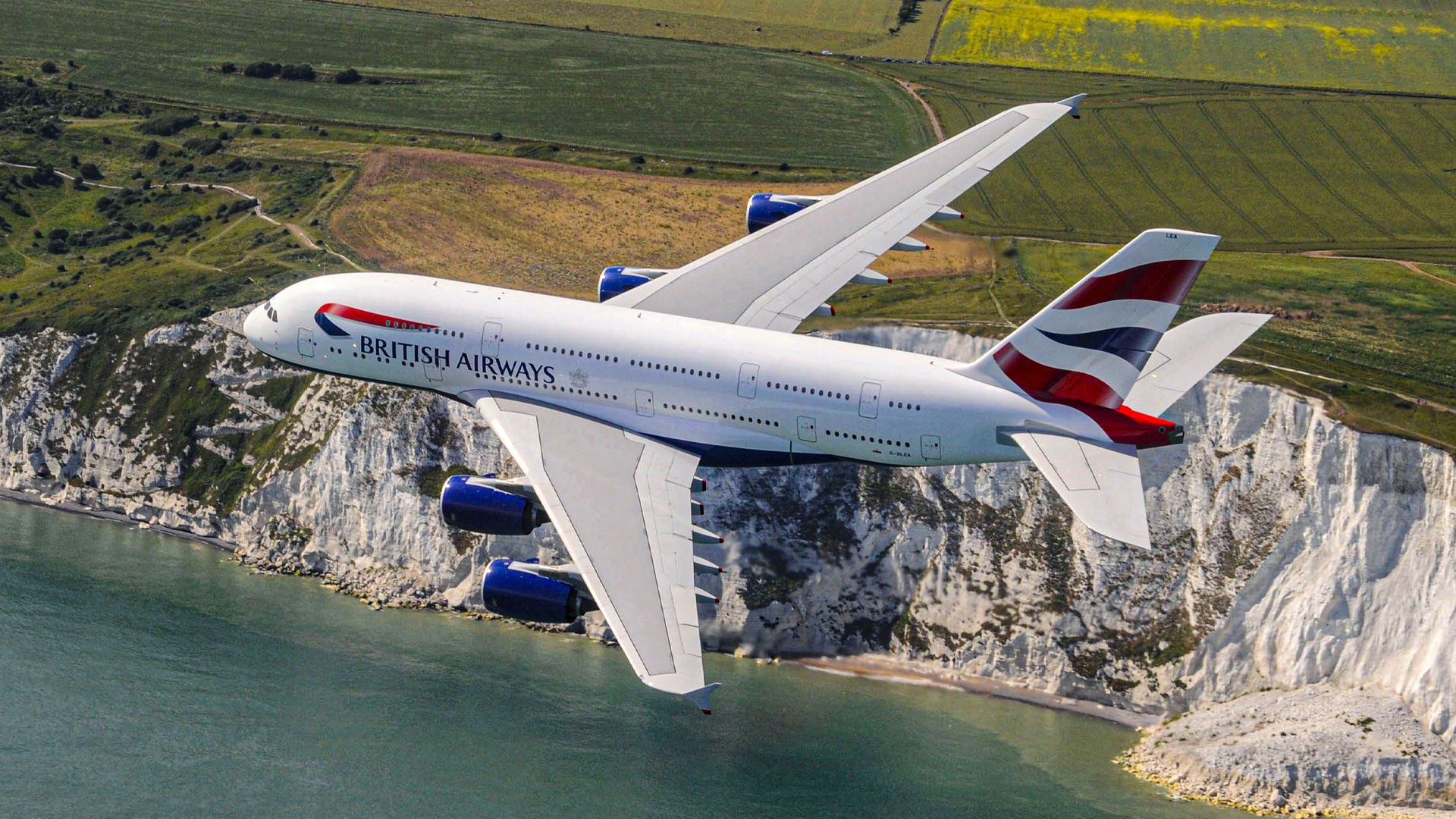
British Airways (BA) has disclosed the ten US routes with the lowest passenger load factors from December 2024 to November 2025. The data, analyzed by Cirium Diio, indicates that BA carried approximately 7.6 million passengers during this period, making it the largest European airline operating flights to and from the United States.
Among the 28 routes BA operated in the examined timeframe, two have already been discontinued: the London Gatwick to New York JFK and Gatwick to Las Vegas routes, which ceased operations in October 2025. In response, the airline has concentrated its services at London Heathrow, increasing flight frequency on other routes to maintain its market presence.
Analysis of Load Factors
The average seat factor for BA across all routes was 84.4%, slightly above the overall average of 83.0% for airlines flying between Europe and the US. BA ranked 13th among its European competitors in terms of load factor, with several airlines, including TAP Air Portugal (87.3%) and Air France (86.4%), outperforming it. Notably, BA had a higher load factor compared to Norse Atlantic, which reported an impressive 88.8% on its UK to US flights.
It is essential to interpret these load factors in context, as they do not account for differences between cabin classes or operational strategies. While BA’s overall performance appears robust, the details reveal more about individual routes and competitive pressures.
Routes with Lowest Load Factors
The route with the lowest load factor was Gatwick to Tampa, registering just 69.4% occupancy. Despite operating this route since 1985, BA faces stiff competition from other carriers, including Virgin Atlantic, which began its Heathrow to Tampa service in 2022. During quieter periods, such as February 2025, BA’s flight frequency dropped to five times weekly, resulting in a mere 52.3% seat fill rate.
Heathrow to Atlanta also emerged as a laggard for BA, with a load factor of 76.4%. The competition is fierce on this route, primarily due to Delta Air Lines and its partner Virgin Atlantic offering four daily flights from Heathrow. BA’s load factor for this route is significantly lower than Delta’s, which stood at 85.7%.
The booking data indicates that BA holds only about one-fifth of the nonstop market share on this route, primarily catering to passengers connecting to other destinations via Heathrow. This pattern is particularly evident in markets like India, which represent a significant portion of BA’s traffic, often relying on lower-yield transfer passengers.
As BA navigates these challenges, the airline has announced plans to increase service on several of its lower-performing routes. With heightened competition and evolving market dynamics, it remains to be seen how these adjustments will impact overall load factors and passenger satisfaction.
For now, BA’s strategy appears focused on consolidating operations and enhancing frequency on select routes to capture greater market share in a competitive landscape.

Meta Plans Major Layoffs as AI Costs Surge

Alberta’s Referendum Could Pave Way for U.S. Statehood

Minooka District 201 Plans Enhanced Bilingual Support for Students

Canmore Approves Multiple Development Permits for New Projects

Remembering Bradly Castillo Shearsmith: A Life of Friendship and Joy

BIS Urges Watchdogs to Integrate Synthetic Risk Transfers in Stress Tests

Teva Transforms: Shifting Focus from Generics to Branded Success

Apple Launches AirPods Max 2 with Enhanced Audio Features

Ontario Ends Funding for Seven Supervised Injection Sites

Toyoake City Proposes Daily Two-Hour Smartphone Use Limit

Pedestrian Fatally Injured in Esquimalt Collision on August 14

B.C. Review Reveals Urgent Need for Rare-Disease Drug Reforms

Dark Adventure Game “Bye Sweet Carole” Set for October Release

Konami Revives Iconic Metal Gear Solid Delta Ahead of Release

Victoria’s Pop-Up Shop Shines Light on B.C.’s Wolf Cull

Jimmy Lai’s Defense Challenges Charges Under National Security Law

Snapmaker U1 Color 3D Printer Redefines Speed and Sustainability

Apple Expands Self-Service Repair Program to Canada
-
 Science12 months ago
Toyoake City Proposes Daily Two-Hour Smartphone Use Limit
-
 Top Stories12 months ago
Pedestrian Fatally Injured in Esquimalt Collision on August 14
-
 Health12 months ago
B.C. Review Reveals Urgent Need for Rare-Disease Drug Reforms
-
 Technology12 months ago
Dark Adventure Game “Bye Sweet Carole” Set for October Release
-
 Technology12 months ago
Konami Revives Iconic Metal Gear Solid Delta Ahead of Release
-
 Lifestyle12 months ago
Victoria’s Pop-Up Shop Shines Light on B.C.’s Wolf Cull
-
 World12 months ago
Jimmy Lai’s Defense Challenges Charges Under National Security Law
-
 Technology12 months ago
Snapmaker U1 Color 3D Printer Redefines Speed and Sustainability
-
 Technology12 months ago
Apple Expands Self-Service Repair Program to Canada
-

 Technology12 months ago
AION Folding Knife: Redefining EDC Design with Premium Materials
-

 Technology12 months ago
Solve Today’s Wordle Challenge: Hints and Answer for August 19
-

 Business12 months ago
Gordon Murray Automotive Unveils S1 LM and Le Mans GTR at Monterey