
World
China’s Trade Surplus Surges as US Tariffs Backfire on Economy

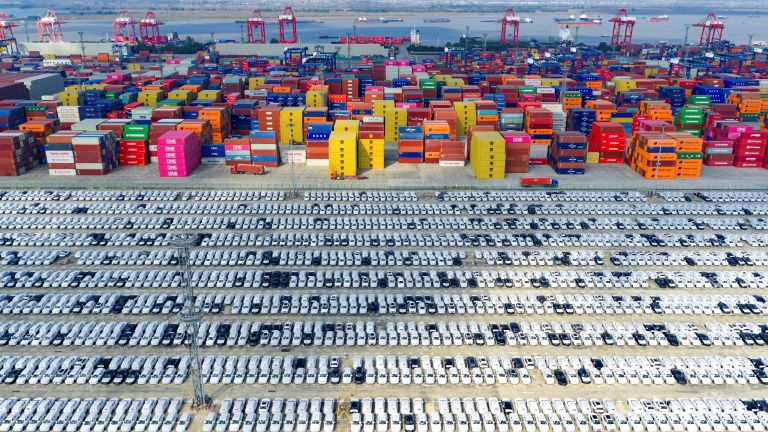
China has unexpectedly reported a significant trade surplus, raising questions about the effectiveness of the tariffs imposed by the United States. The trade surplus, recorded at approximately $1 trillion, highlights a growing imbalance that has left many analysts puzzled as to why a nation experiencing such economic success is being targeted in tariff discussions.
The tariffs, which were intended to protect American industries, have instead contributed to a decline in the US’s position in global trade. They have not only failed to reduce China’s trade impact but have also had adverse effects on American exporters. Within less than twelve months, the tariffs have generated lower-than-expected revenue, creating a situation where US trade is contracting, and the negative implications for the economy are becoming increasingly clear.
Trade Dynamics Shift Amid Protectionist Policies
As the global economy faces serious challenges, the European Union has begun to respond to the implications of China’s trade surplus, yet its actions appear reactive rather than proactive. While EU officials discuss “offensive trade measures,” the fundamental issue remains that the lopsided trade balance is not solely the fault of China. The reality is that European products are often priced higher than their Chinese counterparts, making them less attractive to consumers seeking better deals during economically strained times.
The disparity in pricing is evident when comparing high-end EU products with mid-market Chinese offerings. Consumers, especially in a climate of rising costs, naturally gravitate towards more affordable options. As a result, it is not surprising that imports from China continue to surge, despite the ongoing criticisms of trade policies. The EU’s high-margin products are competing against Chinese goods that offer lower prices, which complicates the trade narrative.
In a broader context, the US’s growing isolationist stance has left many questioning America’s role in the global marketplace. By adhering to outdated protectionist measures, the US risks alienating itself from allies and partners, potentially hindering its own economic growth.
Exploring Alternative Trade Opportunities
The situation presents an opportunity for Europe to reevaluate its trade strategies and explore new markets. Countries such as Canada, Australia, and India could serve as valuable trading partners. By diversifying its import sources, the EU could mitigate risks and enhance its economic resilience in the face of America’s tumultuous trade policies.
The notion that China is the sole problem in this trade equation overlooks the complexities of global commerce. As the market adapts to shifting dynamics, it becomes clear that a rigid mindset toward tariffs and protectionism may hinder progress. Many experts argue that instead of penalizing China for its success, nations should focus on fostering a more balanced and competitive trading environment.
China’s substantial trade surplus reveals both the nation’s economic strength and the shortcomings of current trade policies. As the world watches closely, it may be time for all parties involved to reconsider their strategies and embrace a more collaborative approach to international trade.

Meta Plans Major Layoffs as AI Costs Surge

Alberta’s Referendum Could Pave Way for U.S. Statehood

Minooka District 201 Plans Enhanced Bilingual Support for Students

Canmore Approves Multiple Development Permits for New Projects

Remembering Bradly Castillo Shearsmith: A Life of Friendship and Joy

BIS Urges Watchdogs to Integrate Synthetic Risk Transfers in Stress Tests

Teva Transforms: Shifting Focus from Generics to Branded Success

Apple Launches AirPods Max 2 with Enhanced Audio Features

Ontario Ends Funding for Seven Supervised Injection Sites

Toyoake City Proposes Daily Two-Hour Smartphone Use Limit

Pedestrian Fatally Injured in Esquimalt Collision on August 14

B.C. Review Reveals Urgent Need for Rare-Disease Drug Reforms

Dark Adventure Game “Bye Sweet Carole” Set for October Release

Konami Revives Iconic Metal Gear Solid Delta Ahead of Release

Victoria’s Pop-Up Shop Shines Light on B.C.’s Wolf Cull

Jimmy Lai’s Defense Challenges Charges Under National Security Law

Snapmaker U1 Color 3D Printer Redefines Speed and Sustainability

Apple Expands Self-Service Repair Program to Canada
-
 Science12 months ago
Toyoake City Proposes Daily Two-Hour Smartphone Use Limit
-
 Top Stories12 months ago
Pedestrian Fatally Injured in Esquimalt Collision on August 14
-
 Health12 months ago
B.C. Review Reveals Urgent Need for Rare-Disease Drug Reforms
-
 Technology12 months ago
Dark Adventure Game “Bye Sweet Carole” Set for October Release
-
 Technology12 months ago
Konami Revives Iconic Metal Gear Solid Delta Ahead of Release
-
 Lifestyle12 months ago
Victoria’s Pop-Up Shop Shines Light on B.C.’s Wolf Cull
-
 World12 months ago
Jimmy Lai’s Defense Challenges Charges Under National Security Law
-
 Technology12 months ago
Snapmaker U1 Color 3D Printer Redefines Speed and Sustainability
-
 Technology12 months ago
Apple Expands Self-Service Repair Program to Canada
-

 Technology12 months ago
AION Folding Knife: Redefining EDC Design with Premium Materials
-

 Technology12 months ago
Solve Today’s Wordle Challenge: Hints and Answer for August 19
-

 Business12 months ago
Gordon Murray Automotive Unveils S1 LM and Le Mans GTR at Monterey