
World
Eurofighter Typhoon Challenges Lockheed Martin’s F-35 Dominance

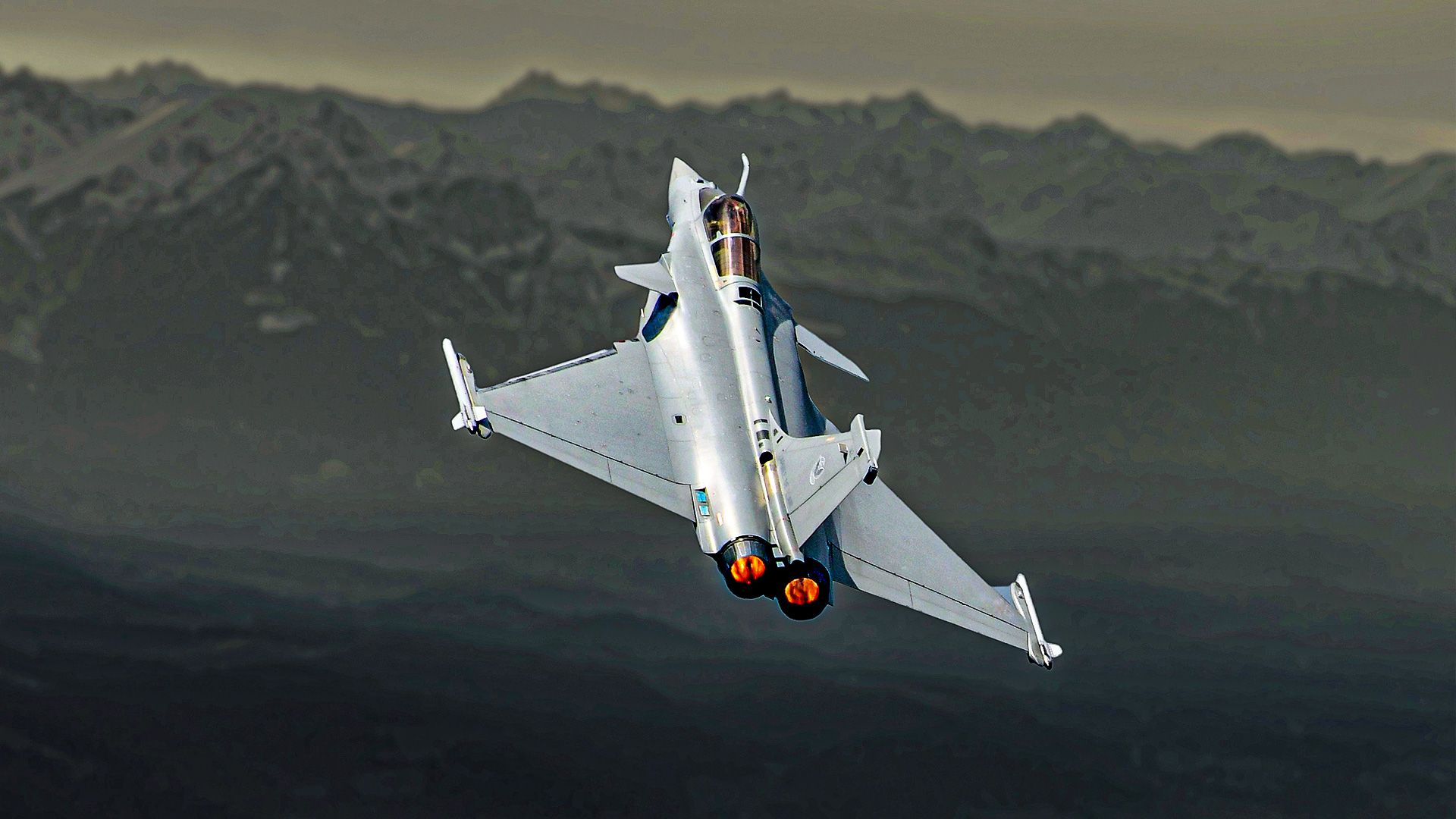
The emergence of the Eurofighter Typhoon is increasingly challenging Lockheed Martin’s dominance in the global air combat market, particularly concerning its F-35 Lightning II program. This advanced swing-role combat aircraft, which represents a significant multinational European collaboration, is proving to be a formidable competitor due to its ongoing modernization and impressive export potential.
The Eurofighter Typhoon, developed by a consortium of European nations including the United Kingdom, Germany, Italy, and Spain, has undergone substantial upgrades since its introduction. These enhancements include advanced avionics, improved weapons systems, and enhanced operational capabilities. Such continuous improvements position the Typhoon as a competitive alternative to the F-35, which has long been viewed as the premier choice in modern fighter jets.
The Typhoon’s success in export markets further complicates Lockheed Martin’s strategic outlook. Countries such as Qatar, Kuwait, and Oman have already acquired the aircraft, while additional nations are considering it as a viable option for their air force needs. In contrast, the F-35 has faced challenges in its own export efforts, including concerns related to cost and technical issues.
Modernization and Strategic Partnerships
The ongoing modernization of the Eurofighter Typhoon includes significant developments in sensor technology and weaponry. For instance, the integration of captor-E radar technology enhances the aircraft’s situational awareness and targeting capabilities. This leap in technology not only strengthens the Typhoon’s combat effectiveness but also solidifies its appeal to potential buyers.
Moreover, the collaborative nature of the Eurofighter program allows for shared expertise and resources among participating nations. Such partnerships not only bolster the aircraft’s capabilities but also create a unified front in the competitive defense market. The combined efforts of European nations in developing and marketing the Typhoon exemplify a strategic approach that could further erode Lockheed Martin’s market share.
In contrast, the F-35 program has grappled with various delays and budget overruns, impacting its perception in the defense community. As nations weigh their options, the reliability and performance of the Typhoon may increasingly sway decisions in its favor.
Future Implications for the Defense Market
The growing presence of the Eurofighter Typhoon in the international defense landscape signals a potential shift in the balance of power within the air combat sector. With its competitive pricing and robust performance, the Typhoon could alter procurement strategies for nations seeking advanced fighter capabilities.
As the defense market continues to evolve, Lockheed Martin must address the challenges posed by the Typhoon and other emerging competitors. The company’s response will likely shape not only its future prospects but also the broader dynamics of the global air combat market.
In summary, while Lockheed Martin’s F-35 Lightning II has enjoyed a prominent position in the fighter jet industry, the resilience and modernization of the Eurofighter Typhoon presents a significant challenge. The outcomes of ongoing developments will be closely monitored by defense analysts and military strategists alike, as nations reassess their air combat needs in light of evolving technologies and geopolitical dynamics.

Meta Plans Major Layoffs as AI Costs Surge

Alberta’s Referendum Could Pave Way for U.S. Statehood

Minooka District 201 Plans Enhanced Bilingual Support for Students

Canmore Approves Multiple Development Permits for New Projects

Remembering Bradly Castillo Shearsmith: A Life of Friendship and Joy

BIS Urges Watchdogs to Integrate Synthetic Risk Transfers in Stress Tests

Teva Transforms: Shifting Focus from Generics to Branded Success

Apple Launches AirPods Max 2 with Enhanced Audio Features

Ontario Ends Funding for Seven Supervised Injection Sites

Toyoake City Proposes Daily Two-Hour Smartphone Use Limit

Pedestrian Fatally Injured in Esquimalt Collision on August 14

B.C. Review Reveals Urgent Need for Rare-Disease Drug Reforms

Dark Adventure Game “Bye Sweet Carole” Set for October Release

Konami Revives Iconic Metal Gear Solid Delta Ahead of Release

Victoria’s Pop-Up Shop Shines Light on B.C.’s Wolf Cull

Jimmy Lai’s Defense Challenges Charges Under National Security Law

Snapmaker U1 Color 3D Printer Redefines Speed and Sustainability

Apple Expands Self-Service Repair Program to Canada
-
 Science1 year ago
Toyoake City Proposes Daily Two-Hour Smartphone Use Limit
-
 Top Stories1 year ago
Pedestrian Fatally Injured in Esquimalt Collision on August 14
-
 Health1 year ago
B.C. Review Reveals Urgent Need for Rare-Disease Drug Reforms
-
 Technology1 year ago
Dark Adventure Game “Bye Sweet Carole” Set for October Release
-
 Technology1 year ago
Konami Revives Iconic Metal Gear Solid Delta Ahead of Release
-
 Lifestyle1 year ago
Victoria’s Pop-Up Shop Shines Light on B.C.’s Wolf Cull
-
 World1 year ago
Jimmy Lai’s Defense Challenges Charges Under National Security Law
-
 Technology1 year ago
Snapmaker U1 Color 3D Printer Redefines Speed and Sustainability
-
 Technology1 year ago
Apple Expands Self-Service Repair Program to Canada
-

 Technology1 year ago
AION Folding Knife: Redefining EDC Design with Premium Materials
-

 Technology1 year ago
Solve Today’s Wordle Challenge: Hints and Answer for August 19
-

 Business1 year ago
Gordon Murray Automotive Unveils S1 LM and Le Mans GTR at Monterey