
World
India Pursues New Trade Deals Amid US Tariff Challenges

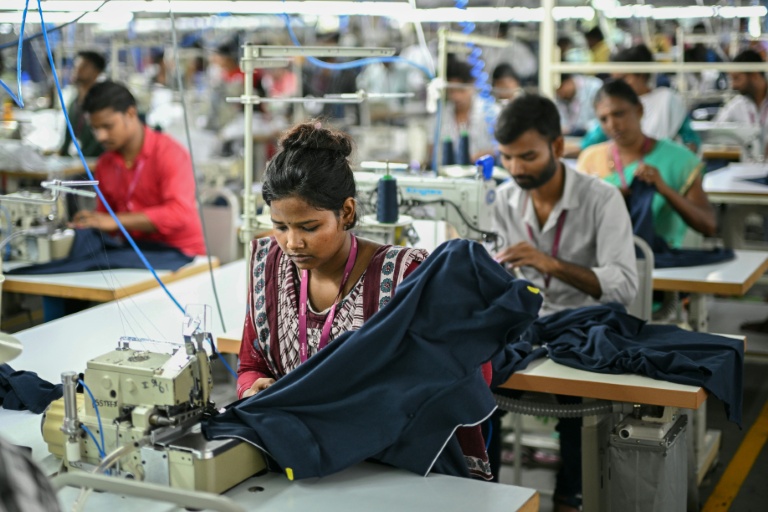
India is actively seeking new trade agreements as it navigates the challenges posed by high tariffs from the United States. Ongoing negotiations with multiple countries reflect New Delhi’s strategy to reduce reliance on its largest export market, particularly following a significant tariff increase by former President Donald Trump in August 2023. The raised tariffs, now at 50 percent on various goods, have put pressure on India’s aspirations to become a manufacturing and export leader.
To counteract these challenges, India has accelerated its diversification efforts. Last year, New Delhi either signed or operationalized four trade agreements, including a notable pact with the United Kingdom. This marked the fastest pace of deal-making the country has seen in years. Negotiations are currently underway with the European Union, the Eurasian Economic Union, Mexico, Chile, and the South American Mercosur trade bloc. If successful, these agreements would provide India with trade arrangements with almost every major economy, according to Ajay Srivastava from the Global Trade Research Initiative based in New Delhi.
U.S. tariffs have particularly targeted India’s purchases of Russian oil, which the U.S. claims funds Moscow’s military actions in Ukraine. This has intensified India’s urgency to explore alternative markets. Trade economist Biswajit Dhar noted that the push for diversification is a direct response to the U.S. tariff situation, emphasizing that expanding trade destinations is now essential.
The potential benefits of major trade agreements are significant, especially for labour-intensive sectors currently affected by tariffs. For instance, India’s apparel export promotion council anticipates that the trade deal with the UK could lead to a doubling of garment exports over the next three years. Additionally, discussions with the European Union have led Ursula von der Leyen, the President of the European Commission, to suggest that a potential agreement could be the largest of its kind globally.
Although negotiations with the EU missed a deadline for conclusion by the end of 2023, Indian officials remain optimistic. A visit from German Chancellor Friedrich Merz to India is scheduled for Monday, during which he will meet with Prime Minister Narendra Modi to discuss enhancing cooperation in trade and investment.
Smaller agreements are also gaining importance. India’s trade with Oman was valued at less than $11 billion last financial year. However, a recent deal with Muscat is seen as a gateway to broader markets in the Middle East and Africa. Analysts at Nomura suggest this could serve as a template for a wider strategy to engage Gulf nations.
While a free trade agreement (FTA) with New Zealand may have limited immediate impact on export growth, it succeeded in attracting $20 billion in foreign investment and improved visa access. This flexibility in negotiations, including concessions on agricultural products, indicates India’s willingness to adapt its trade policies.
In November 2023, India’s goods exports unexpectedly surged by 19 percent, reversing a decline from the previous month. This increase was driven by electronics shipments, which remain exempt from U.S. tariffs, as well as gains in marine product exports. KN Raghavan of the Seafood Exporter Association of India noted that diversification has become evident, with increased exports to the EU and China, which are now significant markets after the U.S.
Despite these positive shifts, exporters caution that alternative markets cannot fully replace the United States. Raghavan emphasized that securing a deal with the U.S. is still vital for the Indian economy.
Recent data shows that India’s imports of Russian oil decreased sharply in December 2023, dropping to 1.2 million barrels per day from 1.8 million in November. It remains uncertain whether this reduction will satisfy U.S. demands. Pankaj Chadha, chairman of the Engineering Export Promotion Council, stated that diversification has become crucial to lessen dependence on the “biggest and most lucrative” market.
As India continues to seek new trade partnerships and navigate the complexities of international trade, the focus remains on reducing vulnerability to external shocks and ensuring a robust economic future.

Meta Plans Major Layoffs as AI Costs Surge

Alberta’s Referendum Could Pave Way for U.S. Statehood

Minooka District 201 Plans Enhanced Bilingual Support for Students

Canmore Approves Multiple Development Permits for New Projects

Remembering Bradly Castillo Shearsmith: A Life of Friendship and Joy

BIS Urges Watchdogs to Integrate Synthetic Risk Transfers in Stress Tests

Teva Transforms: Shifting Focus from Generics to Branded Success

Apple Launches AirPods Max 2 with Enhanced Audio Features

Ontario Ends Funding for Seven Supervised Injection Sites

Toyoake City Proposes Daily Two-Hour Smartphone Use Limit

Pedestrian Fatally Injured in Esquimalt Collision on August 14

B.C. Review Reveals Urgent Need for Rare-Disease Drug Reforms

Dark Adventure Game “Bye Sweet Carole” Set for October Release

Konami Revives Iconic Metal Gear Solid Delta Ahead of Release

Victoria’s Pop-Up Shop Shines Light on B.C.’s Wolf Cull

Jimmy Lai’s Defense Challenges Charges Under National Security Law

Snapmaker U1 Color 3D Printer Redefines Speed and Sustainability

Apple Expands Self-Service Repair Program to Canada
-
 Science1 year ago
Toyoake City Proposes Daily Two-Hour Smartphone Use Limit
-
 Top Stories1 year ago
Pedestrian Fatally Injured in Esquimalt Collision on August 14
-
 Health1 year ago
B.C. Review Reveals Urgent Need for Rare-Disease Drug Reforms
-
 Technology1 year ago
Dark Adventure Game “Bye Sweet Carole” Set for October Release
-
 Technology1 year ago
Konami Revives Iconic Metal Gear Solid Delta Ahead of Release
-
 Lifestyle1 year ago
Victoria’s Pop-Up Shop Shines Light on B.C.’s Wolf Cull
-
 World1 year ago
Jimmy Lai’s Defense Challenges Charges Under National Security Law
-
 Technology1 year ago
Snapmaker U1 Color 3D Printer Redefines Speed and Sustainability
-
 Technology1 year ago
Apple Expands Self-Service Repair Program to Canada
-

 Technology1 year ago
AION Folding Knife: Redefining EDC Design with Premium Materials
-

 Technology1 year ago
Solve Today’s Wordle Challenge: Hints and Answer for August 19
-

 Business1 year ago
Gordon Murray Automotive Unveils S1 LM and Le Mans GTR at Monterey