
World
NASA Seeks New Aircraft to Replace Historic “Vomit Comet”

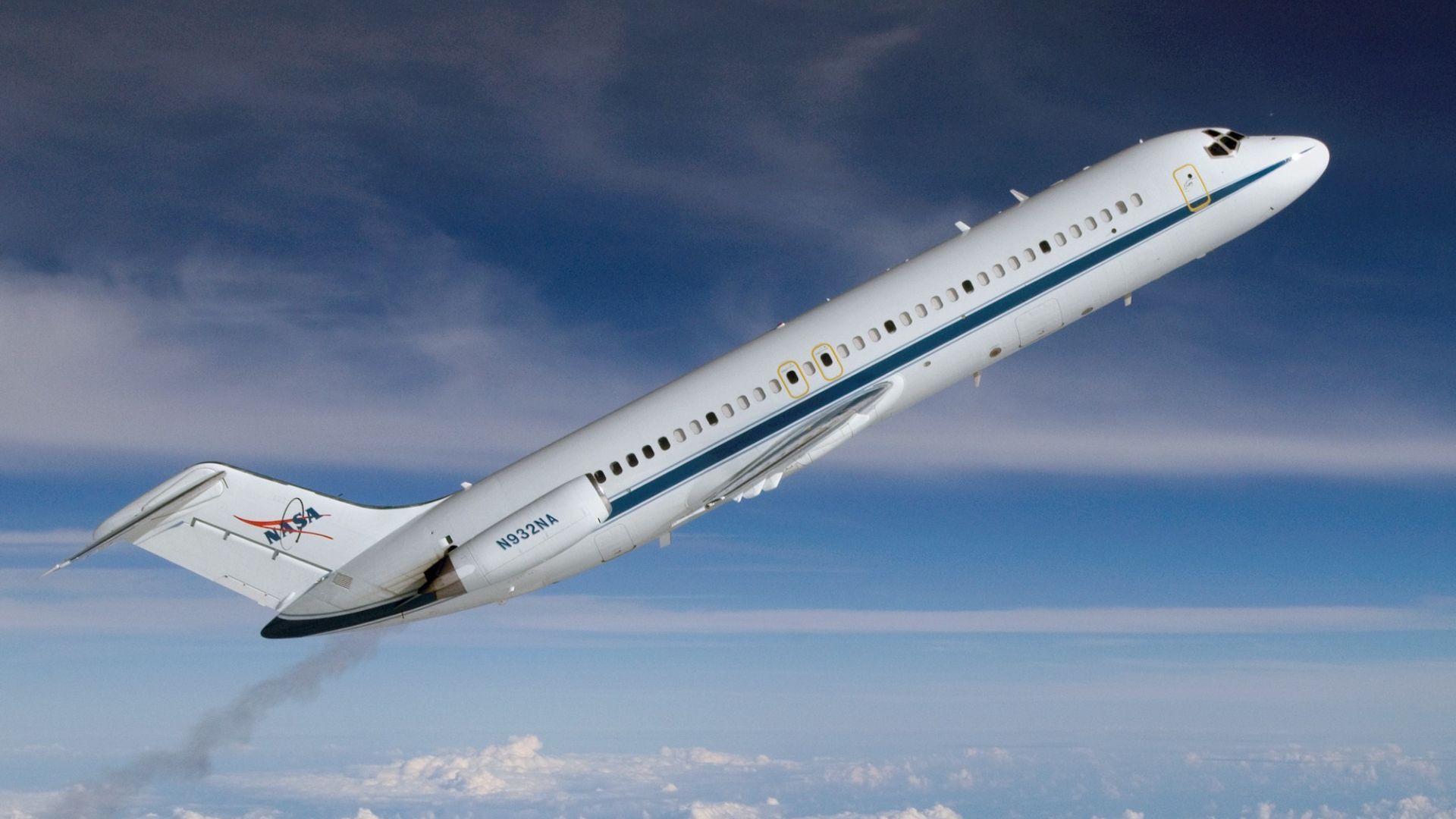
NASA has initiated the search for a new aircraft to sustain its parabolic flight program, a critical operation designed to simulate brief periods of weightlessness. Commonly referred to as the “Vomit Comet,” these flights are essential for astronaut training, scientific research, and technology testing. Historically centered at Ellington Field in Houston, Texas, NASA has conducted these flights at various locations across the United States several times per year. The agency emphasizes that updating its aging fleet is vital to ensure the program’s viability for future decades.
The parabolic flight program has long served as a bridge between ground-based testing and actual space missions. Each mission allows researchers to experience multiple intervals of reduced gravity without the high costs and complexities associated with orbital launches. NASA’s current aircraft have facilitated thousands of experiments, yet growing age-related limitations necessitate a replacement to maintain one of the world’s most accessible microgravity platforms.
Challenges with Aging Aircraft
At present, NASA relies on contractors like the Zero Gravity Corporation, which operates a modified Boeing 727-200, known as “G-Force One,” introduced over 50 years ago. While these aircraft have proven reliable, the maintenance of older commercial jets is becoming increasingly difficult, as spare parts diminish in availability. Each parabolic flight typically involves 15 to 40 parabolas, generating approximately 20 seconds of microgravity per maneuver. Over the course of a flight, this can accumulate to more than 10 minutes of weightlessness.
NASA is looking for an aircraft that can safely execute these demanding flight profiles while also accommodating research teams and experimental payloads. Key requirements include structural endurance, cabin space, and system redundancy. The agency aims to minimize downtime, ensuring that the aircraft can support both internal research and external users, including universities, private companies, and international partners.
The official request for information states, “The National Aeronautics and Space Administration (NASA) Armstrong Flight Research Center (AFRC) is hereby soliciting information from potential sources for Parabolic Flight Services for the Flight Opportunities Program.”
The Importance of Parabolic Flight
Parabolic flights are regarded as one of the most cost-effective methods for conducting microgravity research. A single flight can facilitate dozens of experiments, spanning fluid dynamics, combustion studies, and human physiology. According to NASA estimates, hundreds of researchers participate in this program annually. For many student-led and early-stage projects, these flights provide crucial validation before moving on to spaceflight.
From an aviation perspective, the mission profile of parabolic flights is particularly demanding. Aircraft routinely transition from approximately 1.8g during ascent to near-zero gravity at the peak of each parabola. This cycle places unique stresses on the airframe and onboard systems, limiting the number of aircraft types suitable for sustained parabolic operations.
As commercial space activity expands, the significance of parabolic flights continues to grow. Private firms utilize these flights to test hardware intended for orbit, mitigating risks prior to launch. The demand for access to microgravity has steadily increased over the past decade, particularly in the fields of biotechnology and materials science.
A replacement aircraft could introduce significant advancements, including modern flight decks, enhanced fuel efficiency, and flexible interiors. These upgrades might enable longer missions or an increased capacity for experiments. Some industry observers suggest that a new aircraft could also bolster collaborations with commercial microgravity providers, further enhancing research opportunities.
NASA’s parabolic flight legacy dates back to the late 1950s, when early astronauts trained for weightlessness aboard modified military jets. Over time, aircraft such as the KC-135 and C-9 became synonymous with microgravity research. The flights’ informal nickname reflects the physical challenges posed by the rapid changes in gravity, which can affect even seasoned participants. Despite these challenges, interest in participation remains robust.
In addition to research, the aircraft plays a vital role in astronaut familiarization and public engagement initiatives. Preserving this capability ensures that NASA can continue to prepare crews and advance scientific knowledge at a relatively low cost compared to orbital missions.

Meta Plans Major Layoffs as AI Costs Surge

Alberta’s Referendum Could Pave Way for U.S. Statehood

Minooka District 201 Plans Enhanced Bilingual Support for Students

Canmore Approves Multiple Development Permits for New Projects

Remembering Bradly Castillo Shearsmith: A Life of Friendship and Joy

BIS Urges Watchdogs to Integrate Synthetic Risk Transfers in Stress Tests

Teva Transforms: Shifting Focus from Generics to Branded Success

Apple Launches AirPods Max 2 with Enhanced Audio Features

Ontario Ends Funding for Seven Supervised Injection Sites

Toyoake City Proposes Daily Two-Hour Smartphone Use Limit

Pedestrian Fatally Injured in Esquimalt Collision on August 14

B.C. Review Reveals Urgent Need for Rare-Disease Drug Reforms

Dark Adventure Game “Bye Sweet Carole” Set for October Release

Konami Revives Iconic Metal Gear Solid Delta Ahead of Release

Victoria’s Pop-Up Shop Shines Light on B.C.’s Wolf Cull

Jimmy Lai’s Defense Challenges Charges Under National Security Law

Snapmaker U1 Color 3D Printer Redefines Speed and Sustainability

Apple Expands Self-Service Repair Program to Canada
-
 Science1 year ago
Toyoake City Proposes Daily Two-Hour Smartphone Use Limit
-
 Top Stories1 year ago
Pedestrian Fatally Injured in Esquimalt Collision on August 14
-
 Health1 year ago
B.C. Review Reveals Urgent Need for Rare-Disease Drug Reforms
-
 Technology12 months ago
Dark Adventure Game “Bye Sweet Carole” Set for October Release
-
 Technology1 year ago
Konami Revives Iconic Metal Gear Solid Delta Ahead of Release
-
 Lifestyle1 year ago
Victoria’s Pop-Up Shop Shines Light on B.C.’s Wolf Cull
-
 World1 year ago
Jimmy Lai’s Defense Challenges Charges Under National Security Law
-
 Technology1 year ago
Snapmaker U1 Color 3D Printer Redefines Speed and Sustainability
-
 Technology1 year ago
Apple Expands Self-Service Repair Program to Canada
-

 Technology1 year ago
AION Folding Knife: Redefining EDC Design with Premium Materials
-

 Technology1 year ago
Solve Today’s Wordle Challenge: Hints and Answer for August 19
-

 Business1 year ago
Gordon Murray Automotive Unveils S1 LM and Le Mans GTR at Monterey