
World
Russian Military Unit in Mali Accused of Brutal Abuses

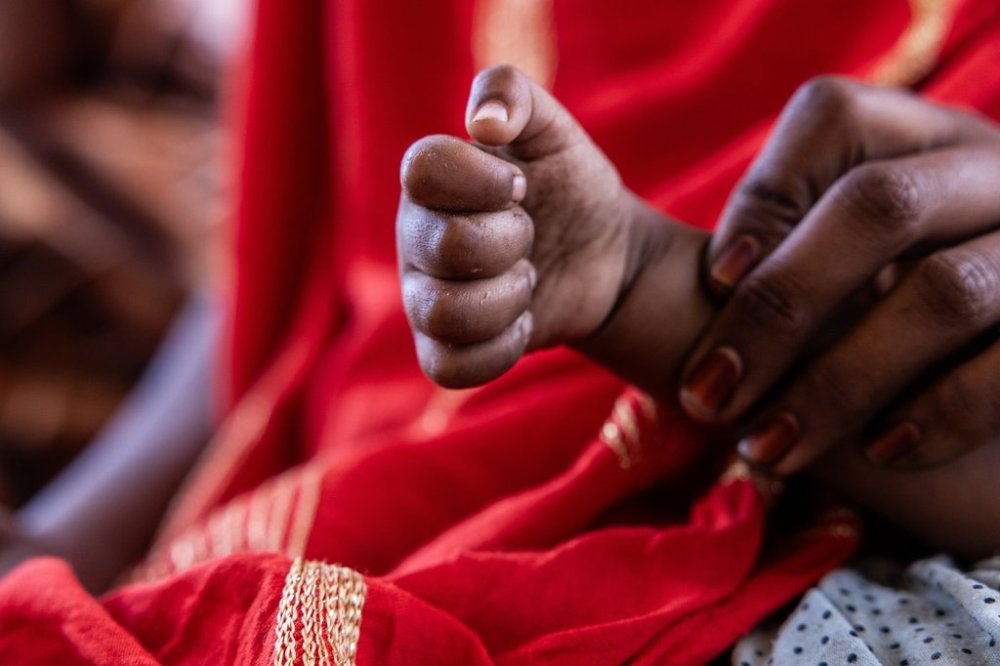
The recent emergence of a new Russian military unit, known as the Africa Corps, in Mali has prompted serious allegations of human rights abuses. According to interviews conducted by the Associated Press with dozens of refugees who fled Mali, the unit has reportedly engaged in acts of violence, including rapes and beheadings, while collaborating with Mali’s military to combat extremist groups. The unit replaced the Wagner Group earlier this year, raising concerns among civilians who had hoped for a reduction in brutality.
These accounts were gathered during a rare opportunity to speak with those who crossed into Mauritania, where refugees disclosed harrowing experiences since the Africa Corps’ arrival. Many of them insisted on anonymity due to fears of retaliation. The testimonies suggest that the Africa Corps employs similar tactics to its predecessor, Wagner, which has been linked to a pattern of violence and intimidation in the region.
Escalating Violence in Mali
The Sahel region, particularly Mali, has seen a troubling escalation in violence related to extremism. As the deadliest area globally for such activities, the situation has worsened due to shifting alliances, with military governments in Mali, Burkina Faso, and Niger increasingly turning to Russia for military support against groups affiliated with al-Qaida and the Islamic State.
The Africa Corps officially took over from Wagner approximately six months ago, leading to rising hopes among civilians for a less violent approach. Yet, refugees describe a “new reign of terror” by the “white men” operating within a lawless territory. One Malian village chief who managed to escape stated, “The soldiers speak to no one. Anyone they see, they shoot. No questions, no warning.” He emphasized that there is little distinction between the actions of Wagner and those of the Africa Corps.
Despite the Malian government’s silence regarding the presence of Wagner, Russian state media have publicly praised the Africa Corps for its efforts to protect Mali from “terrorists.” The Russian Foreign Ministry has confirmed that the unit operates at the request of Malian authorities, supporting ground operations and search-and-rescue missions.
Human Rights Concerns and Accountability
The documented abuses have reportedly intensified since Wagner began collaborating with Mali’s underfunded military in 2021. It is estimated that Mali paid Russia approximately $10 million per month for Wagner’s assistance. While Wagner was not officially under Kremlin control, it maintained close ties with Russian military and intelligence.
Following the death of Wagner’s leader, Yevgeny Prigozhin, in a plane crash in 2023, the Africa Corps was developed as a successor. However, details regarding the unit’s operations, including the exact number of personnel—estimated at around 2,000—remain unclear. Reports indicate that not all fighters are Russian; several refugees mentioned encountering Black men speaking various foreign languages, suggesting a diverse recruitment strategy that may include personnel from Belarus and other African nations.
The situation for civilians is dire, as they find themselves caught between the Africa Corps, Malian forces, and extremist groups. The intensity of the military campaign against militants escalated significantly in September, coinciding with JNIM fighters imposing a blockade on fuel supplies into Mali. As humanitarian access is severely limited, it is challenging to ascertain the full extent of violence occurring in remote areas.
The representative for the U.N. refugee agency in Mauritania, Sukru Cansizoglu, remarked, “There are many instances of people being raped, attacked, or killed.” However, he noted the difficulty in identifying the specific perpetrators due to the chaotic environment. Heni Nsaibia from the Armed Conflict Location & Event Data Project added that civilians are “between a rock and a hard place,” facing threats from both the army and extremist groups.
Legal experts highlight that the transition from Wagner to the Africa Corps may render the Russian government accountable for the actions of this military unit. According to Lindsay Freeman, senior director of international accountability at the UC Berkeley School of Law’s Human Rights Center, the continuity in personnel and tactics implies a direct association with the Russian state. She stated, “Any war crimes committed by Africa Corps in Mali are, in principle, attributable to the Russian government under the rules on state responsibility.”
As the situation evolves, the plight of civilians in Mali remains precarious, with ongoing military operations raising alarm over the potential for further human rights violations.

Meta Plans Major Layoffs as AI Costs Surge

Alberta’s Referendum Could Pave Way for U.S. Statehood

Minooka District 201 Plans Enhanced Bilingual Support for Students

Canmore Approves Multiple Development Permits for New Projects

Remembering Bradly Castillo Shearsmith: A Life of Friendship and Joy

BIS Urges Watchdogs to Integrate Synthetic Risk Transfers in Stress Tests

Teva Transforms: Shifting Focus from Generics to Branded Success

Apple Launches AirPods Max 2 with Enhanced Audio Features

Ontario Ends Funding for Seven Supervised Injection Sites

Toyoake City Proposes Daily Two-Hour Smartphone Use Limit

Pedestrian Fatally Injured in Esquimalt Collision on August 14

B.C. Review Reveals Urgent Need for Rare-Disease Drug Reforms

Dark Adventure Game “Bye Sweet Carole” Set for October Release

Konami Revives Iconic Metal Gear Solid Delta Ahead of Release

Victoria’s Pop-Up Shop Shines Light on B.C.’s Wolf Cull

Jimmy Lai’s Defense Challenges Charges Under National Security Law

Snapmaker U1 Color 3D Printer Redefines Speed and Sustainability

Apple Expands Self-Service Repair Program to Canada
-
 Science12 months ago
Toyoake City Proposes Daily Two-Hour Smartphone Use Limit
-
 Top Stories12 months ago
Pedestrian Fatally Injured in Esquimalt Collision on August 14
-
 Health12 months ago
B.C. Review Reveals Urgent Need for Rare-Disease Drug Reforms
-
 Technology12 months ago
Dark Adventure Game “Bye Sweet Carole” Set for October Release
-
 Technology12 months ago
Konami Revives Iconic Metal Gear Solid Delta Ahead of Release
-
 Lifestyle12 months ago
Victoria’s Pop-Up Shop Shines Light on B.C.’s Wolf Cull
-
 World12 months ago
Jimmy Lai’s Defense Challenges Charges Under National Security Law
-
 Technology12 months ago
Snapmaker U1 Color 3D Printer Redefines Speed and Sustainability
-
 Technology12 months ago
Apple Expands Self-Service Repair Program to Canada
-

 Technology12 months ago
AION Folding Knife: Redefining EDC Design with Premium Materials
-

 Technology12 months ago
Solve Today’s Wordle Challenge: Hints and Answer for August 19
-

 Business12 months ago
Gordon Murray Automotive Unveils S1 LM and Le Mans GTR at Monterey