
World
Seif al-Islam Gadhafi Killed in Libya: Details Emerge

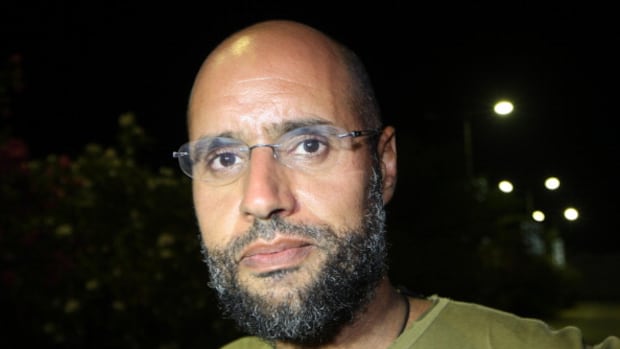
Seif al-Islam Gadhafi, the son of the late Libyan dictator Moammar Gadhafi, has been confirmed dead in Libya, according to local officials. The 53-year-old was reportedly killed in the town of Zintan, located approximately 136 kilometres southwest of the capital, Tripoli. His death was announced by Libya’s chief prosecutor’s office, which indicated that an initial investigation found he was shot, though further details surrounding the incident remain unclear.
A lawyer for Seif al-Islam, Khaled al-Zaidi, confirmed the news via a social media post. Abdullah Othman Abdurrahim, who represented him in United Nations-brokered political dialogues aimed at resolving Libya’s ongoing conflict, also announced the death on Facebook. According to a statement from Seif al-Islam’s political team, he was attacked at his home by “four masked men” who allegedly carried out a “cowardly and treacherous assassination.”
Background on Seif al-Islam Gadhafi
Born in June 1972 in Tripoli, Seif al-Islam was the second son of Moammar Gadhafi. He pursued a Ph.D. at the London School of Economics and was often perceived as the reformist face of his father’s regime. Following the NATO-backed uprising in 2011, which led to Moammar Gadhafi’s ousting after over 40 years in power, Seif al-Islam was captured while attempting to flee to Niger. He remained in custody until June 2017, when a rival Libyan government granted him amnesty.
In 2015, a Libyan court sentenced him to death in absentia for inciting violence and murder during protests. Additionally, he was wanted by the International Criminal Court on charges of crimes against humanity stemming from the 2011 uprising.
Seif al-Islam’s political aspirations resurfaced in November 2021 when he announced his candidacy for the presidential election. His announcement sparked controversy and backlash from anti-Gadhafi factions across the country. Although the High National Elections Committee disqualified him from running, the elections did not take place due to ongoing disputes among the rival administrations and armed groups that have dominated Libya since the revolution.
Current Implications
The assassination of Seif al-Islam Gadhafi raises significant questions about the security situation in Libya, a country still grappling with instability and division among various factions. His death could potentially influence the ongoing political landscape and the efforts to establish a cohesive government.
As investigations continue, the circumstances surrounding his killing will be closely examined, particularly given his controversial past and the unresolved issues stemming from the 2011 uprising. Libya’s future remains uncertain as it navigates the complex legacy of the Gadhafi regime and the ongoing struggle for power among various groups within the country.

Meta Plans Major Layoffs as AI Costs Surge

Alberta’s Referendum Could Pave Way for U.S. Statehood

Minooka District 201 Plans Enhanced Bilingual Support for Students

Canmore Approves Multiple Development Permits for New Projects

Remembering Bradly Castillo Shearsmith: A Life of Friendship and Joy

BIS Urges Watchdogs to Integrate Synthetic Risk Transfers in Stress Tests

Teva Transforms: Shifting Focus from Generics to Branded Success

Apple Launches AirPods Max 2 with Enhanced Audio Features

Ontario Ends Funding for Seven Supervised Injection Sites

Toyoake City Proposes Daily Two-Hour Smartphone Use Limit

Pedestrian Fatally Injured in Esquimalt Collision on August 14

B.C. Review Reveals Urgent Need for Rare-Disease Drug Reforms

Dark Adventure Game “Bye Sweet Carole” Set for October Release

Konami Revives Iconic Metal Gear Solid Delta Ahead of Release

Jimmy Lai’s Defense Challenges Charges Under National Security Law

Victoria’s Pop-Up Shop Shines Light on B.C.’s Wolf Cull

Snapmaker U1 Color 3D Printer Redefines Speed and Sustainability

Apple Expands Self-Service Repair Program to Canada
-
 Science11 months ago
Toyoake City Proposes Daily Two-Hour Smartphone Use Limit
-
 Top Stories11 months ago
Pedestrian Fatally Injured in Esquimalt Collision on August 14
-
 Health11 months ago
B.C. Review Reveals Urgent Need for Rare-Disease Drug Reforms
-
 Technology11 months ago
Dark Adventure Game “Bye Sweet Carole” Set for October Release
-
 Technology11 months ago
Konami Revives Iconic Metal Gear Solid Delta Ahead of Release
-
 World11 months ago
Jimmy Lai’s Defense Challenges Charges Under National Security Law
-
 Lifestyle11 months ago
Victoria’s Pop-Up Shop Shines Light on B.C.’s Wolf Cull
-
 Technology11 months ago
Snapmaker U1 Color 3D Printer Redefines Speed and Sustainability
-
 Technology11 months ago
Apple Expands Self-Service Repair Program to Canada
-

 Technology11 months ago
AION Folding Knife: Redefining EDC Design with Premium Materials
-

 Technology11 months ago
Solve Today’s Wordle Challenge: Hints and Answer for August 19
-

 Business11 months ago
Gordon Murray Automotive Unveils S1 LM and Le Mans GTR at Monterey