
World
Spirit Airlines Revives Merger Talks with Frontier After $50M Boost

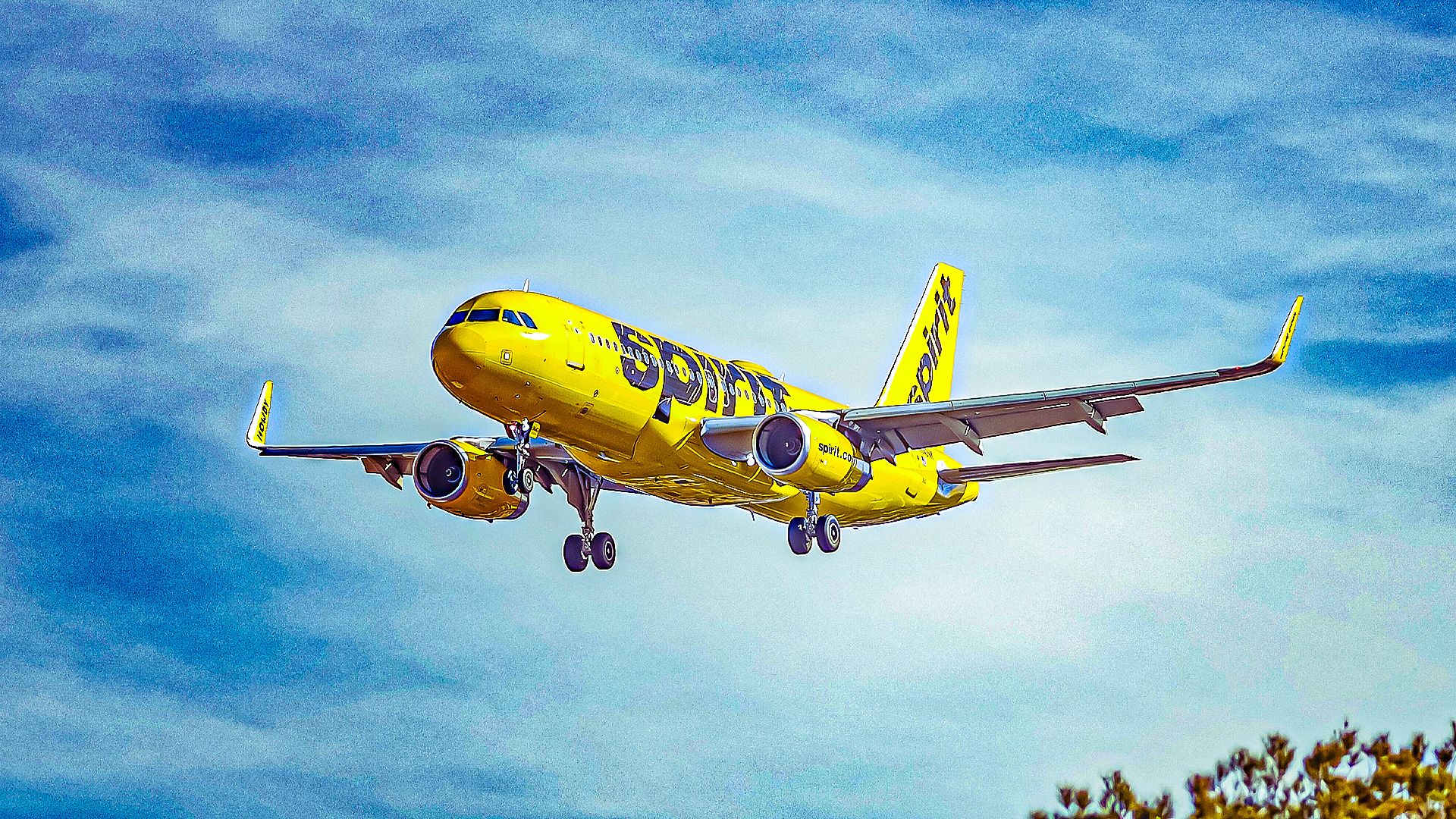
Discussions between Spirit Airlines and Frontier Airlines regarding a potential merger have resurfaced following Spirit’s recent acquisition of a crucial lifeline worth $50 million. This funding, confirmed by Reuters, is intended to support Spirit’s operations during a tumultuous financial period, countering fears of a possible shutdown. The renewed talks mark a significant shift for both airlines, particularly as Spirit navigates severe financial challenges.
The two airlines first proposed a merger in 2022, but their plans were thwarted by a competing offer from JetBlue. That merger was ultimately blocked in 2024, leaving Spirit operating independently. Since then, Frontier has made multiple bids to acquire Spirit, all of which have been declined. Spirit Airlines has faced escalating financial difficulties, including two bankruptcy filings in 2025, making this latest funding injection critical for its survival.
Leadership Changes Influence Merger Discussions
The dynamics surrounding the merger have changed significantly with the recent departure of Barry Biffle as CEO of Frontier Airlines. Biffle, who has taken on an advisory role, was previously cautious about pursuing a merger due to the financial complexities involved. His exit could signal a shift in Frontier’s strategy, especially as James Dempsey has been appointed as interim CEO. This leadership change may indicate a renewed commitment to the merger discussions with Spirit Airlines.
Frontier Airlines remains in a relatively stable financial position compared to Spirit, which has been struggling. The interest in acquiring Spirit seems to stem from the potential assets Frontier could gain, including additional aircraft, staff, and airport slots. Currently, Spirit operates 102 aircraft, while Frontier has 172 aircraft. A merger could consolidate their fleets, creating a combined total of 279 aircraft, positioning Frontier as one of the largest budget airlines in the U.S.
Challenges Facing Budget Airlines in the U.S.
The landscape for budget airlines has changed dramatically in the aftermath of the COVID-19 pandemic. Travelers are increasingly gravitating towards airlines that offer extensive premium services, long-haul networks, and comprehensive frequent flyer programs. Airlines such as Delta Air Lines, United Airlines, and Alaska Airlines have reported stronger performances compared to many low-cost carriers, including Spirit and Frontier.
As budget airlines face mounting pressures, Frontier has been undergoing a transformation of its business model to enhance profitability. Without a significant merger or acquisition, the lack of scale can diminish relevance in crucial markets. The consolidation of Frontier and Spirit could create a more formidable competitor against major legacy carriers, potentially allowing the merged entity to capture a larger market share in the budget travel segment.
In conclusion, the potential merger between Spirit and Frontier Airlines is gaining traction as both airlines navigate challenging financial waters. With leadership changes and renewed discussions, the outcome remains uncertain but could significantly reshape the U.S. airline industry landscape.

Meta Plans Major Layoffs as AI Costs Surge

Alberta’s Referendum Could Pave Way for U.S. Statehood

Minooka District 201 Plans Enhanced Bilingual Support for Students

Canmore Approves Multiple Development Permits for New Projects

Remembering Bradly Castillo Shearsmith: A Life of Friendship and Joy

BIS Urges Watchdogs to Integrate Synthetic Risk Transfers in Stress Tests

Teva Transforms: Shifting Focus from Generics to Branded Success

Apple Launches AirPods Max 2 with Enhanced Audio Features

Ontario Ends Funding for Seven Supervised Injection Sites

Toyoake City Proposes Daily Two-Hour Smartphone Use Limit

Pedestrian Fatally Injured in Esquimalt Collision on August 14

B.C. Review Reveals Urgent Need for Rare-Disease Drug Reforms

Dark Adventure Game “Bye Sweet Carole” Set for October Release

Konami Revives Iconic Metal Gear Solid Delta Ahead of Release

Victoria’s Pop-Up Shop Shines Light on B.C.’s Wolf Cull

Jimmy Lai’s Defense Challenges Charges Under National Security Law

Snapmaker U1 Color 3D Printer Redefines Speed and Sustainability

Apple Expands Self-Service Repair Program to Canada
-
 Science12 months ago
Toyoake City Proposes Daily Two-Hour Smartphone Use Limit
-
 Top Stories12 months ago
Pedestrian Fatally Injured in Esquimalt Collision on August 14
-
 Health12 months ago
B.C. Review Reveals Urgent Need for Rare-Disease Drug Reforms
-
 Technology11 months ago
Dark Adventure Game “Bye Sweet Carole” Set for October Release
-
 Technology12 months ago
Konami Revives Iconic Metal Gear Solid Delta Ahead of Release
-
 Lifestyle12 months ago
Victoria’s Pop-Up Shop Shines Light on B.C.’s Wolf Cull
-
 World12 months ago
Jimmy Lai’s Defense Challenges Charges Under National Security Law
-
 Technology12 months ago
Snapmaker U1 Color 3D Printer Redefines Speed and Sustainability
-
 Technology12 months ago
Apple Expands Self-Service Repair Program to Canada
-

 Technology12 months ago
AION Folding Knife: Redefining EDC Design with Premium Materials
-

 Technology12 months ago
Solve Today’s Wordle Challenge: Hints and Answer for August 19
-

 Business12 months ago
Gordon Murray Automotive Unveils S1 LM and Le Mans GTR at Monterey