
World
US Military’s Strategic Air Bases in the Pacific: Locations and Roles

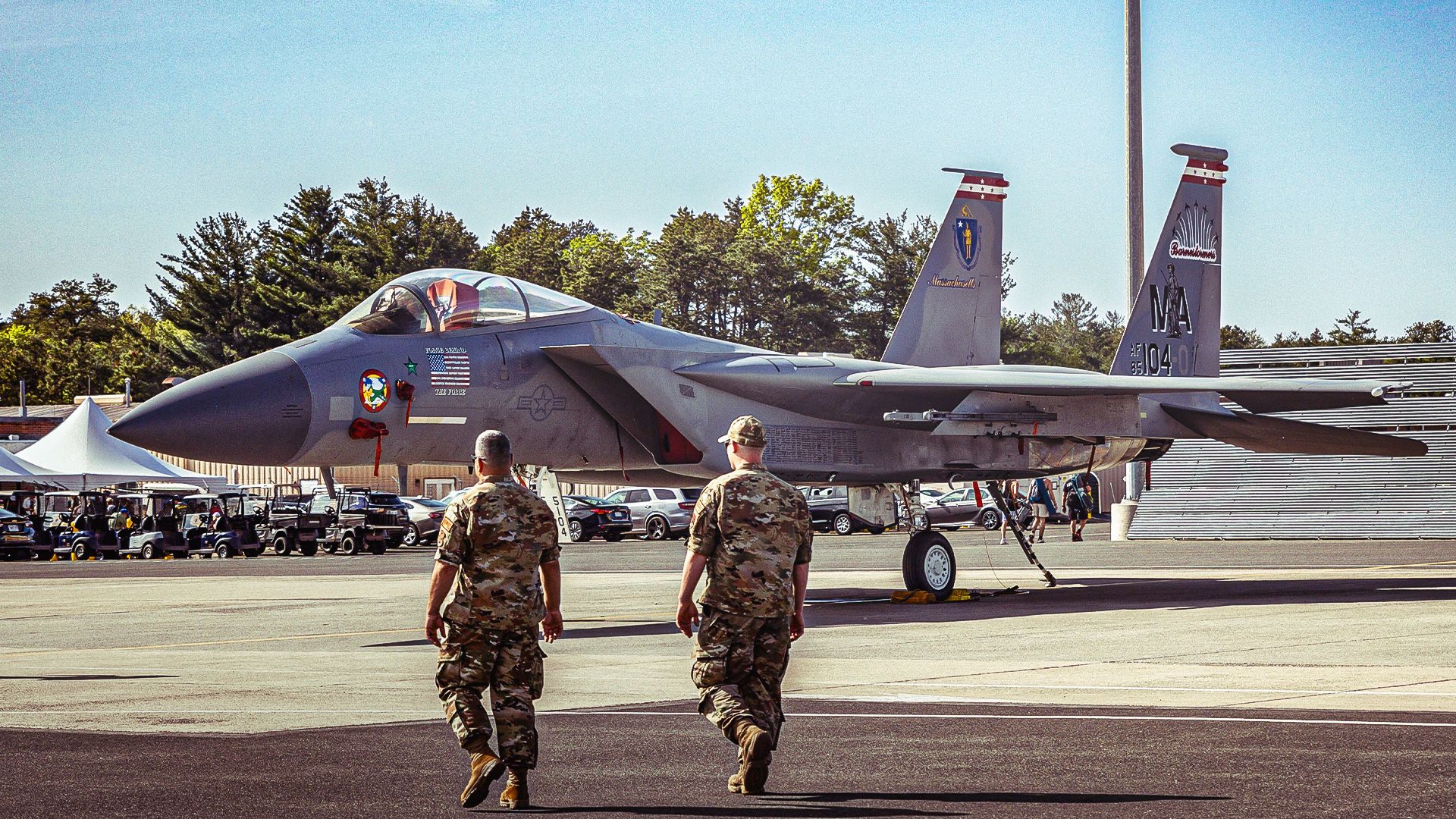
The United States operates numerous military air bases across the Pacific, which play essential roles in regional security and military readiness. These bases, located on both American soil and in allied territories, support various branches of the military, including the Air Force, Marine Corps, Navy, and Army. While some bases host permanent installations, others have a rotational presence. Notably, the strategic importance of these facilities shapes the US military’s ability to project power in the region.
Key Air Bases by Country
The primary air bases are situated in Japan, South Korea, Guam, and other allied nations, each serving distinct strategic functions.
**Japan** stands as a crucial anchor for the US military in East Asia, hosting approximately 105 fighter jets across various bases. Major installations include Misawa Air Base, home to F-16s and transitioning to F-35As, and the Marine Corps Air Station (MCAS) Iwakuni, which operates F-35Bs and F/A-18s. Yokota Air Base serves as a vital logistics hub, facilitating rapid troop and equipment transport. The integration of US forces with the Japan Air Self-Defense Force at bases like Nyutabaru, Tsuiki, and Hyakuri underscores the collaborative defense strategy in the region.
In **Okinawa**, the US maintains a significant presence, with Kadena Air Base recognized as the “Keystone of the Pacific.” Although it does not host permanently based fighter jets, it serves as a vital hub for air superiority and intelligence, surveillance, and reconnaissance (ISR) operations. The 18th Wing operates various aircraft, including F-15EX, F-22, and F-35A jets, rotating in and out of the base. Another key installation, MCAS Futenma, focuses on mobility and logistics, supporting Marine Corps operations.
**Guam** is often referred to as the US’s major “unsinkable aircraft carrier” in the Pacific, despite not having permanently based fighter jets. Andersen Air Force Base is crucial for the Continuous Bomber Presence, regularly hosting F-22s and F-35s. Its strategic location allows for rapid deployment in the event of regional conflicts. The base’s host unit, the 36th Wing, provides essential logistical support and refueling capabilities.
In **South Korea**, approximately 70-75 fighter jets are permanently based, primarily to deter North Korean aggression. The main air bases include Osan Air Base and Kunsan Air Base, both operating F-16s. Osan, located just 48 miles from the Demilitarized Zone (DMZ), plays a critical role in direct defense operations. The US Army also maintains a significant presence in the region, with Camp Humphreys hosting the 2nd Combat Aviation Brigade.
Other Strategic Locations
Australia and Singapore are vital to US military strategy in the Pacific, despite the absence of permanent air bases. In Australia, RAAF Base Tindal and RAAF Base Darwin support strategic depth and regional training. The US has upgraded its infrastructure at these bases to facilitate bomber operations and Marine Corps rotations.
In **Singapore**, the US has limited but crucial access to Paya Lebar Air Base, which aids in logistics and operational support in Southeast Asia. This location is strategically significant as it lies near the Straits of Malacca, a key maritime route.
The US military’s historical presence in the **Philippines** is complex. Following the end of the Cold War, the US withdrew from long-term bases, but ongoing agreements allow military access to multiple airfields, such as Basa Air Base and Clark Air Base. This arrangement enables a flexible US military presence in the region amid rising tensions.
**Hawaii** serves as a central hub for US operations in the Pacific, with Joint Base Pearl Harbor-Hickam on Oahu being the most significant installation. The base hosts the 15th Wing, which operates F-22 Raptor fighter jets, along with various support aircraft. Hawaii’s strategic position acts as a fallback in case other bases are compromised.
The extensive network of US military air bases in the Pacific underscores the ongoing commitment to maintaining regional stability and readiness. As geopolitical dynamics continue to evolve, these installations will remain pivotal in ensuring the US’s ability to respond to emerging challenges in the region.

Meta Plans Major Layoffs as AI Costs Surge

Alberta’s Referendum Could Pave Way for U.S. Statehood

Minooka District 201 Plans Enhanced Bilingual Support for Students

Canmore Approves Multiple Development Permits for New Projects

Remembering Bradly Castillo Shearsmith: A Life of Friendship and Joy

BIS Urges Watchdogs to Integrate Synthetic Risk Transfers in Stress Tests

Teva Transforms: Shifting Focus from Generics to Branded Success

Apple Launches AirPods Max 2 with Enhanced Audio Features

Ontario Ends Funding for Seven Supervised Injection Sites

Toyoake City Proposes Daily Two-Hour Smartphone Use Limit

Pedestrian Fatally Injured in Esquimalt Collision on August 14

B.C. Review Reveals Urgent Need for Rare-Disease Drug Reforms

Dark Adventure Game “Bye Sweet Carole” Set for October Release

Konami Revives Iconic Metal Gear Solid Delta Ahead of Release

Victoria’s Pop-Up Shop Shines Light on B.C.’s Wolf Cull

Jimmy Lai’s Defense Challenges Charges Under National Security Law

Snapmaker U1 Color 3D Printer Redefines Speed and Sustainability

Apple Expands Self-Service Repair Program to Canada
-
 Science1 year ago
Toyoake City Proposes Daily Two-Hour Smartphone Use Limit
-
 Top Stories1 year ago
Pedestrian Fatally Injured in Esquimalt Collision on August 14
-
 Health1 year ago
B.C. Review Reveals Urgent Need for Rare-Disease Drug Reforms
-
 Technology1 year ago
Dark Adventure Game “Bye Sweet Carole” Set for October Release
-
 Technology1 year ago
Konami Revives Iconic Metal Gear Solid Delta Ahead of Release
-
 Lifestyle1 year ago
Victoria’s Pop-Up Shop Shines Light on B.C.’s Wolf Cull
-
 World1 year ago
Jimmy Lai’s Defense Challenges Charges Under National Security Law
-
 Technology1 year ago
Snapmaker U1 Color 3D Printer Redefines Speed and Sustainability
-
 Technology1 year ago
Apple Expands Self-Service Repair Program to Canada
-

 Technology1 year ago
AION Folding Knife: Redefining EDC Design with Premium Materials
-

 Technology1 year ago
Solve Today’s Wordle Challenge: Hints and Answer for August 19
-

 Business1 year ago
Gordon Murray Automotive Unveils S1 LM and Le Mans GTR at Monterey