
Science
AI Distorts Body Image Standards for Athletes, Study Reveals

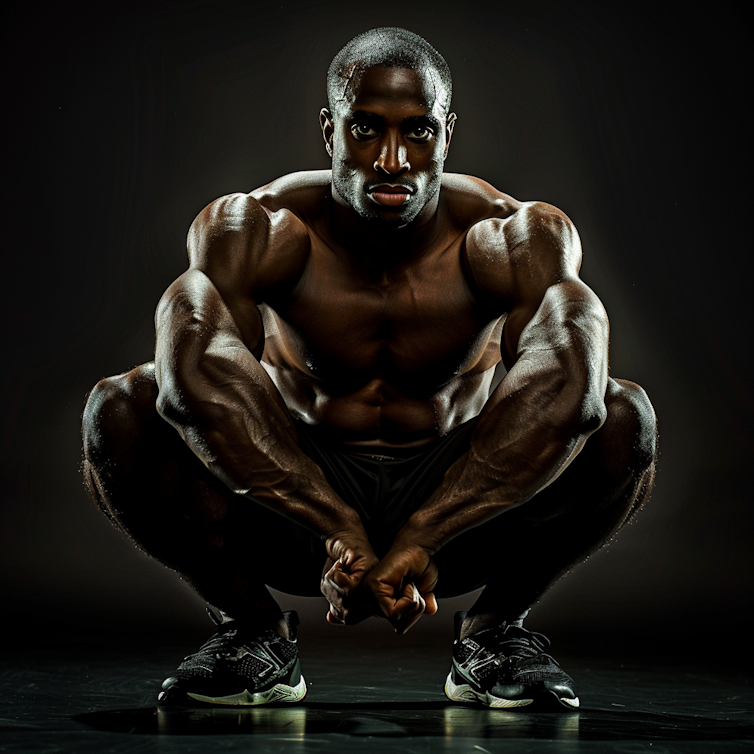
A recent study from the University of Toronto highlights how artificial intelligence (AI) perpetuates unrealistic body ideals, particularly for athletes. The research analyzed AI-generated images of both male and female athletes alongside non-athletes, revealing a troubling trend of exaggerated body standards that could negatively impact body image and mental health.
The study was grounded in theories of objectification and social media, focusing on how AI representations influence perceptions of athletic bodies. Researchers generated 300 images across various AI platforms, including DALL-E, MidJourney, and Stable Diffusion, documenting key features such as body fat, muscularity, clothing fit, and facial attractiveness.
The findings are striking. Among male images, a staggering 93.3 percent were young, 68.4 percent were lean, and 54.2 percent were muscular. For female images, all depicted youthfulness, with 87.5 percent showing thinness and revealing clothing. Athletes were overwhelmingly represented as lean and muscular, with 98.4 percent classified as such. In contrast, non-athletes displayed a wider range of body sizes and styles, often depicted in looser clothing.
Moreover, the study found a glaring absence of diversity, with 90 percent of athlete images being male. None of the generated images featured visible disabilities, larger body types, or signs of aging such as wrinkles or baldness. This lack of representation highlights a narrow view of what an athlete should look like, reinforcing stereotypes that do not align with the reality of athleticism.
The implications of these distorted ideals are significant. With over 4.6 billion people using social media and approximately 71 percent of images generated by AI, many individuals are exposed to unrealistic body representations. This can lead to self-objectification and the internalization of harmful body standards, potentially resulting in unhealthy behaviors such as excessive dieting or withdrawal from physical activity.
Negative body image not only affects individual well-being but also impacts sports performance and academic achievement. While engagement in physical activity can enhance body image, negative perceptions can deter participation, further exacerbating issues of self-esteem and mental health, particularly among young people.
The absence of individuals with disabilities in AI-generated imagery is particularly concerning, given that around 27 percent of Canadians over the age of 15 live with at least one disability. The failure to represent diverse bodies in AI outputs reflects broader societal biases and perpetuates harmful stereotypes.
As AI continues to shape visual content, it is essential for creators and users to be mindful of the biases inherent in these technologies. AI systems often draw from existing media, recycling narrow and prejudicial standards. This underscores the need for creators to ensure that the data feeding into AI does not perpetuate ableism, racism, fatphobia, or ageism.
To counteract these trends, users of generative AI should be intentional in how they formulate prompts and critically assess the images produced. Society has a collective responsibility to demand a broader spectrum of body representations, ensuring that AI reflects reality rather than distorting it.
Researcher Catherine Sabiston emphasizes the importance of diversifying the narratives around body image. By valuing all types of bodies, society can foster a healthier relationship with self-image and promote inclusivity in sports and beyond.
As AI-generated images become increasingly prevalent, awareness of their impact is crucial. If society aims to challenge the unrealistic ideals perpetuated by technology, it must advocate for representation that celebrates diversity in body shapes, sizes, and abilities.

Meta Plans Major Layoffs as AI Costs Surge

Alberta’s Referendum Could Pave Way for U.S. Statehood

Minooka District 201 Plans Enhanced Bilingual Support for Students

Canmore Approves Multiple Development Permits for New Projects

Remembering Bradly Castillo Shearsmith: A Life of Friendship and Joy

BIS Urges Watchdogs to Integrate Synthetic Risk Transfers in Stress Tests

Teva Transforms: Shifting Focus from Generics to Branded Success

Apple Launches AirPods Max 2 with Enhanced Audio Features

Ontario Ends Funding for Seven Supervised Injection Sites

Toyoake City Proposes Daily Two-Hour Smartphone Use Limit

Pedestrian Fatally Injured in Esquimalt Collision on August 14

B.C. Review Reveals Urgent Need for Rare-Disease Drug Reforms

Dark Adventure Game “Bye Sweet Carole” Set for October Release

Konami Revives Iconic Metal Gear Solid Delta Ahead of Release

Victoria’s Pop-Up Shop Shines Light on B.C.’s Wolf Cull

Jimmy Lai’s Defense Challenges Charges Under National Security Law

Snapmaker U1 Color 3D Printer Redefines Speed and Sustainability

Apple Expands Self-Service Repair Program to Canada
-
 Science12 months ago
Toyoake City Proposes Daily Two-Hour Smartphone Use Limit
-
 Top Stories12 months ago
Pedestrian Fatally Injured in Esquimalt Collision on August 14
-
 Health12 months ago
B.C. Review Reveals Urgent Need for Rare-Disease Drug Reforms
-
 Technology12 months ago
Dark Adventure Game “Bye Sweet Carole” Set for October Release
-
 Technology12 months ago
Konami Revives Iconic Metal Gear Solid Delta Ahead of Release
-
 Lifestyle12 months ago
Victoria’s Pop-Up Shop Shines Light on B.C.’s Wolf Cull
-
 World12 months ago
Jimmy Lai’s Defense Challenges Charges Under National Security Law
-
 Technology12 months ago
Snapmaker U1 Color 3D Printer Redefines Speed and Sustainability
-
 Technology12 months ago
Apple Expands Self-Service Repair Program to Canada
-

 Technology12 months ago
AION Folding Knife: Redefining EDC Design with Premium Materials
-

 Technology12 months ago
Solve Today’s Wordle Challenge: Hints and Answer for August 19
-

 Business12 months ago
Gordon Murray Automotive Unveils S1 LM and Le Mans GTR at Monterey