
Health
Disinfectants: The Hidden Role in Rising Antimicrobial Resistance

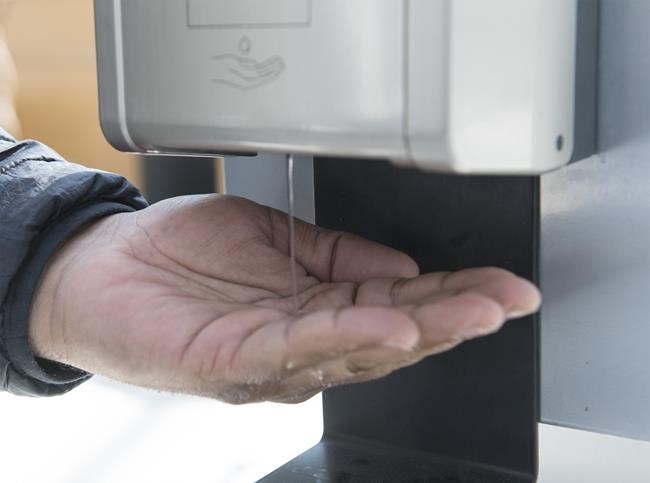
The COVID-19 pandemic significantly shifted our approach to hygiene, making disinfectants an integral part of daily life. Hand sanitizers, disinfectant wipes, and antimicrobial sprays became essential tools in the fight against the virus. However, the widespread use of these products has a darker side: they may inadvertently contribute to the growing problem of antimicrobial resistance.
Understanding the Impact of Disinfectants
Among the most prevalent active ingredients in disinfectants are quaternary ammonium compounds (QACs). These chemicals are not only present in cleaning products but also in everyday items such as fabric softeners and personal care products. Approximately half of the disinfectants listed by the U.S. Environmental Protection Agency (EPA) as effective against SARS-CoV-2 contain QACs. Their pervasive use leads to substantial entry into wastewater treatment systems, where they are partially removed but still find their way into rivers and lakes.
Once in the environment, QACs interact with microbial communities, which include bacteria, archaea, and fungi. While these compounds are designed to kill microbes, they can also foster environments where some organisms survive and adapt. This adaptability can lead to the development of resistance, posing a significant challenge to public health.
The Mechanisms of Resistance
Unlike antibiotics, which target specific cellular processes, QACs employ a broad-spectrum approach, damaging cell walls, proteins, and lipids. This versatility makes them effective disinfectants, but it also means that microbes have multiple avenues for developing resistance. Some bacteria strengthen their cell membranes, while others may pump out toxins or form protective biofilms.
Emerging research indicates that resistance genes associated with QACs can be shared among bacteria through mobile DNA segments. This phenomenon, known as co-resistance, allows resistance to spread across bacterial populations. Additionally, a single defense mechanism can provide protection against both QACs and antibiotics, a process termed cross-resistance. As QAC usage continues to rise, these mechanisms become more pronounced, facilitating the transfer of antimicrobial resistance into human pathogens.
The World Health Organization (WHO) reported a concerning trend: in 2023, one in six laboratory-confirmed bacterial infections worldwide were resistant to standard antibiotic treatments. Between 2018 and 2023, resistance rates increased in over 40 percent of monitored pathogen-antibiotic combinations. In 2019 alone, bacterial antimicrobial resistance directly caused approximately 1.27 million deaths and contributed to nearly five million additional fatalities globally.
What begins as a simple household cleaning choice can have far-reaching consequences, linking our daily habits to a major public health crisis. Antimicrobial resistance is often perceived as a clinical issue stemming from antibiotic misuse; however, it originates much earlier in the lifecycle of these chemicals.
The situation illustrates a feedback loop where disinfectants, intended to prevent disease, may actually complicate microbial control.
Rethinking Disinfectant Use
Despite the challenges associated with disinfectants, they remain crucial, particularly in healthcare settings where the risks of infection are heightened. The dilemma lies in their overuse in everyday environments, where the idea of “clean” is frequently equated with being entirely microbe-free, often without consideration of the long-term consequences.
Some disinfectants, such as QACs, can persist in the environment, exposing microbes to low-level, chronic selective pressures that promote resistance development. Other agents, like alcohol and bleach, pose their own environmental risks, indicating the need for comprehensive risk assessments that consider both immediate and long-term ecological impacts.
Ultimately, the disinfectant dilemma emphasizes that managing microbes is as much about understanding ecological interactions as it is about chemical efficacy. To clean responsibly, society must consider not only how we eliminate microbes today but also how our choices will shape microbial landscapes in the future.
Milena Esser, a postdoctoral researcher in the department of biology at McMaster University, highlights that tackling antimicrobial resistance requires a holistic approach, integrating our cleaning practices with an understanding of their wider ecological implications. As we navigate this complex landscape, a balanced perspective on hygiene and microbial dynamics is essential for safeguarding public health.

Meta Plans Major Layoffs as AI Costs Surge

Alberta’s Referendum Could Pave Way for U.S. Statehood

Minooka District 201 Plans Enhanced Bilingual Support for Students

Canmore Approves Multiple Development Permits for New Projects

Remembering Bradly Castillo Shearsmith: A Life of Friendship and Joy

BIS Urges Watchdogs to Integrate Synthetic Risk Transfers in Stress Tests

Teva Transforms: Shifting Focus from Generics to Branded Success

Apple Launches AirPods Max 2 with Enhanced Audio Features

Ontario Ends Funding for Seven Supervised Injection Sites

Toyoake City Proposes Daily Two-Hour Smartphone Use Limit

Pedestrian Fatally Injured in Esquimalt Collision on August 14

B.C. Review Reveals Urgent Need for Rare-Disease Drug Reforms

Dark Adventure Game “Bye Sweet Carole” Set for October Release

Konami Revives Iconic Metal Gear Solid Delta Ahead of Release

Jimmy Lai’s Defense Challenges Charges Under National Security Law

Victoria’s Pop-Up Shop Shines Light on B.C.’s Wolf Cull

Snapmaker U1 Color 3D Printer Redefines Speed and Sustainability

Apple Expands Self-Service Repair Program to Canada
-
 Science9 months ago
Toyoake City Proposes Daily Two-Hour Smartphone Use Limit
-
 Top Stories10 months ago
Pedestrian Fatally Injured in Esquimalt Collision on August 14
-
 Health10 months ago
B.C. Review Reveals Urgent Need for Rare-Disease Drug Reforms
-
 Technology9 months ago
Dark Adventure Game “Bye Sweet Carole” Set for October Release
-
 Technology9 months ago
Konami Revives Iconic Metal Gear Solid Delta Ahead of Release
-
 World9 months ago
Jimmy Lai’s Defense Challenges Charges Under National Security Law
-
 Lifestyle10 months ago
Victoria’s Pop-Up Shop Shines Light on B.C.’s Wolf Cull
-
 Technology9 months ago
Snapmaker U1 Color 3D Printer Redefines Speed and Sustainability
-
 Technology9 months ago
Apple Expands Self-Service Repair Program to Canada
-

 Technology9 months ago
AION Folding Knife: Redefining EDC Design with Premium Materials
-

 Technology10 months ago
Solve Today’s Wordle Challenge: Hints and Answer for August 19
-

 Business10 months ago
Gordon Murray Automotive Unveils S1 LM and Le Mans GTR at Monterey