
Science
Nova Scotia Partners with Dalhousie University for Gas Research

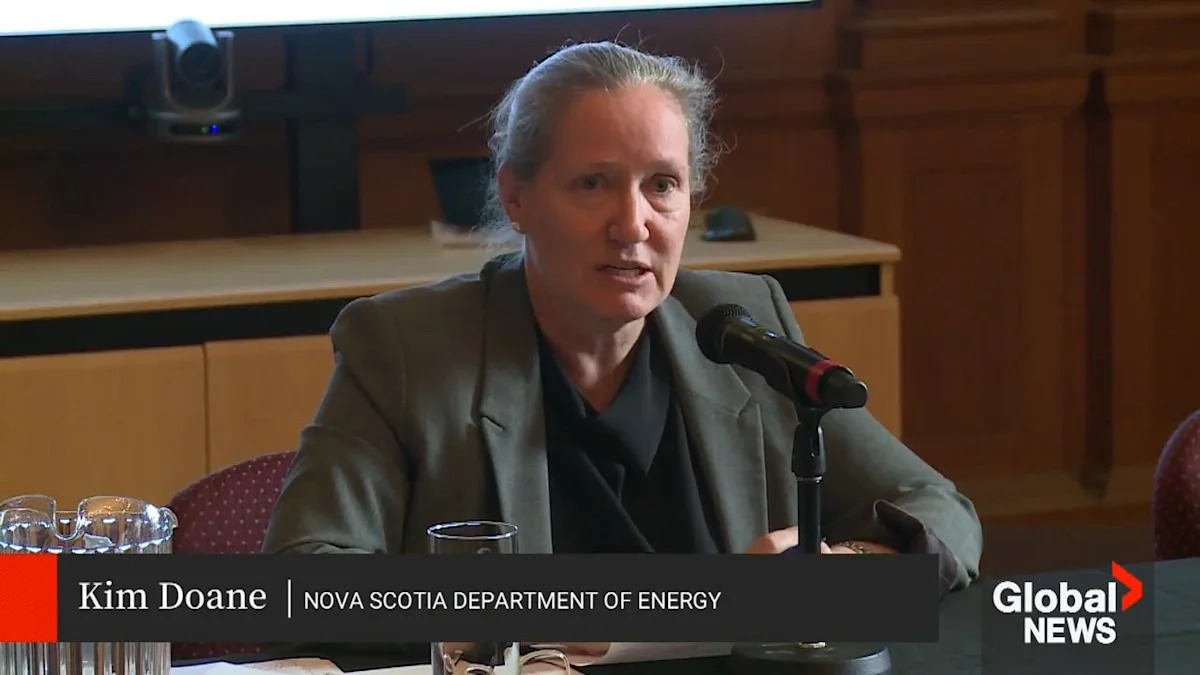
The government of Nova Scotia has enlisted the expertise of Dalhousie University to lead a research initiative aimed at identifying suitable locations for natural gas drilling. This collaboration signals a significant investment in the province’s energy sector, yet it has sparked a debate on the environmental implications of expanding natural gas production.
Under the new research program, set to commence in the coming months, Dalhousie University will utilize its resources and knowledge in geology and environmental science. The goal is to assess potential drilling sites across the province, contributing to the development of a local natural gas industry. The partnership reflects the government’s commitment to energy diversification and economic growth.
Critics of the initiative, including environmental advocates, argue that this move could have detrimental effects on the province’s ecosystem. Mitchell Bailey reports that some opponents view the focus on natural gas as a regression, particularly in light of ongoing efforts to transition towards renewable energy sources. Concerns are centered on the potential for increased greenhouse gas emissions and the impact on local communities.
Supporters of the research initiative contend that natural gas can serve as a transitional energy source, bridging the gap between fossil fuels and renewable energy. They argue that responsible drilling practices, coupled with stringent regulations, can mitigate environmental risks while providing economic benefits, such as job creation in the energy sector.
As the program unfolds, the Nova Scotia government emphasizes its commitment to environmental sustainability. The administration has pledged to incorporate comprehensive environmental assessments into the research process, ensuring that any proposed drilling activities adhere to strict guidelines.
The collaboration with Dalhousie University is set against a backdrop of increasing demand for energy resources. With global energy prices fluctuating, the government aims to capitalize on local natural gas reserves while simultaneously addressing the pressing need for cleaner energy solutions.
Moving forward, the outcomes of this research initiative will be closely monitored by both supporters and critics. The findings will play a crucial role in shaping the future of Nova Scotia’s energy landscape and determining how the province balances economic growth with environmental stewardship.
As the energy debate intensifies, the province’s decision to pursue natural gas drilling will likely spark continued discussion among stakeholders, including policymakers, environmentalists, and industry leaders. The implications of this partnership could extend far beyond Nova Scotia, influencing regional energy strategies and climate policy.

Meta Plans Major Layoffs as AI Costs Surge

Alberta’s Referendum Could Pave Way for U.S. Statehood

Minooka District 201 Plans Enhanced Bilingual Support for Students

Canmore Approves Multiple Development Permits for New Projects

Remembering Bradly Castillo Shearsmith: A Life of Friendship and Joy

BIS Urges Watchdogs to Integrate Synthetic Risk Transfers in Stress Tests

Teva Transforms: Shifting Focus from Generics to Branded Success

Apple Launches AirPods Max 2 with Enhanced Audio Features

Ontario Ends Funding for Seven Supervised Injection Sites

Toyoake City Proposes Daily Two-Hour Smartphone Use Limit

Pedestrian Fatally Injured in Esquimalt Collision on August 14

B.C. Review Reveals Urgent Need for Rare-Disease Drug Reforms

Dark Adventure Game “Bye Sweet Carole” Set for October Release

Konami Revives Iconic Metal Gear Solid Delta Ahead of Release

Victoria’s Pop-Up Shop Shines Light on B.C.’s Wolf Cull

Jimmy Lai’s Defense Challenges Charges Under National Security Law

Snapmaker U1 Color 3D Printer Redefines Speed and Sustainability

Apple Expands Self-Service Repair Program to Canada
-
 Science12 months ago
Toyoake City Proposes Daily Two-Hour Smartphone Use Limit
-
 Top Stories12 months ago
Pedestrian Fatally Injured in Esquimalt Collision on August 14
-
 Health12 months ago
B.C. Review Reveals Urgent Need for Rare-Disease Drug Reforms
-
 Technology11 months ago
Dark Adventure Game “Bye Sweet Carole” Set for October Release
-
 Technology12 months ago
Konami Revives Iconic Metal Gear Solid Delta Ahead of Release
-
 Lifestyle12 months ago
Victoria’s Pop-Up Shop Shines Light on B.C.’s Wolf Cull
-
 World12 months ago
Jimmy Lai’s Defense Challenges Charges Under National Security Law
-
 Technology12 months ago
Snapmaker U1 Color 3D Printer Redefines Speed and Sustainability
-
 Technology12 months ago
Apple Expands Self-Service Repair Program to Canada
-

 Technology12 months ago
AION Folding Knife: Redefining EDC Design with Premium Materials
-

 Technology12 months ago
Solve Today’s Wordle Challenge: Hints and Answer for August 19
-

 Business12 months ago
Gordon Murray Automotive Unveils S1 LM and Le Mans GTR at Monterey