
Business
Manitoba Residents Face New Taxes and Rate Increases in 2026

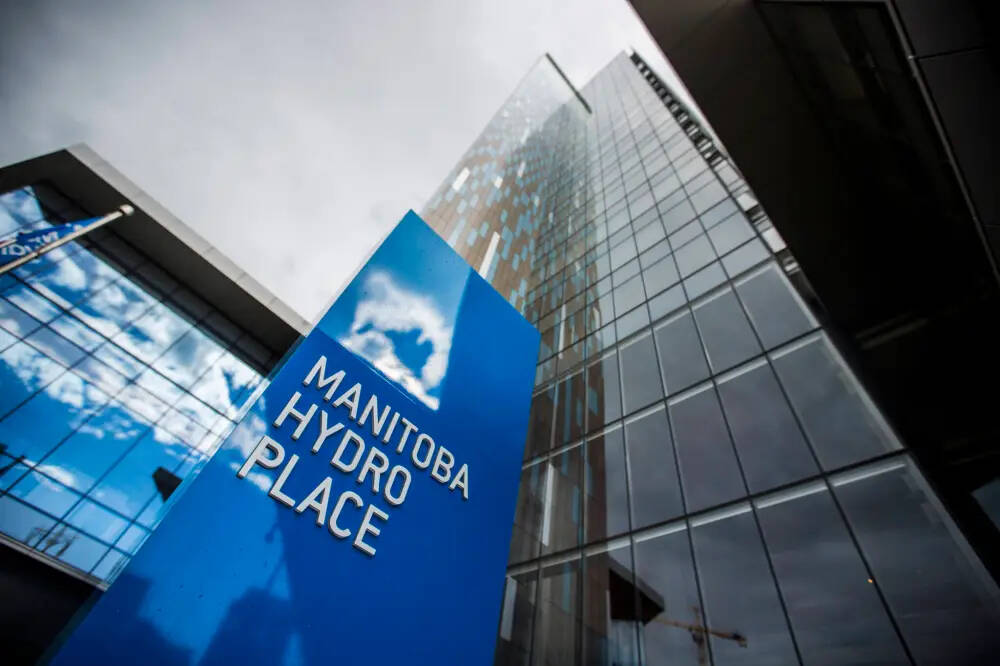
The start of 2026 brings significant financial changes for residents of Manitoba, with increases in energy rates, rental guidelines, and various tax adjustments. These developments will require consumers to navigate a landscape of altered expenses as they manage their budgets.
Hydro Rate Increases and Their Impact
Beginning on January 1, 2026, Manitoba Hydro will implement a 4 percent rate increase. This decision, announced by the Public Utilities Board, aims to address the utility’s financial strains due to drought-related losses and the necessity for infrastructure upgrades. The Consumers Coalition, which represents several community organizations, responded to the announcement, emphasizing the need for Hydro to demonstrate cost management before imposing such increases.
The Coalition expressed concerns that the rate hike comes at a time when many households are grappling with rising costs across various essential services. “While this increase is understandable, we believe it is essential for Hydro to evaluate its own expenditures before seeking additional funds from customers,” the Coalition noted.
Changes to Rental Guidelines and Tax Credits
For tenants, the Manitoba government has established a rent increase guideline of 1.8 percent for 2026. This annual guideline is derived from a formula tied to the consumer price index and is announced every April. It applies to most residential rental properties but excludes units renting for over $1,670 per month and certain social housing types. Importantly, landlords must provide written notice of any rent increase at least three months in advance.
In addition to changes in rental guidelines, the provincial budget outlines several tax modifications for the year. A payroll tax cut will take effect on January 1, raising the tax-exempt threshold for businesses with payrolls at or under $2.5 million. The threshold for a reduced effective rate will also increase, from $4.5 million to $5 million.
Homeowners will see their tax credit rise to $1,600, up from $1,500, while the tax credit for renters will increase to $625 from $575. Seniors will benefit from a top-up in their tax credit, which will rise to $357 from $328.
As provincial campgrounds open in the new year, visitors can expect increased fees for rental accommodations, including yurts and cabins. The nightly rate for a yurt will rise to $65, up from $56, and the cost for a four-bed cabin in Camp Morton Provincial Park will increase to $85 from just over $70.
These changes will require residents to adjust their financial plans as they navigate the new economic landscape in Manitoba. With rising costs in multiple areas, consumers are encouraged to stay informed and evaluate their budgets carefully to manage these shifts effectively.

Meta Plans Major Layoffs as AI Costs Surge

Alberta’s Referendum Could Pave Way for U.S. Statehood

Minooka District 201 Plans Enhanced Bilingual Support for Students

Canmore Approves Multiple Development Permits for New Projects

Remembering Bradly Castillo Shearsmith: A Life of Friendship and Joy

BIS Urges Watchdogs to Integrate Synthetic Risk Transfers in Stress Tests

Teva Transforms: Shifting Focus from Generics to Branded Success

Apple Launches AirPods Max 2 with Enhanced Audio Features

Ontario Ends Funding for Seven Supervised Injection Sites

Toyoake City Proposes Daily Two-Hour Smartphone Use Limit

Pedestrian Fatally Injured in Esquimalt Collision on August 14

B.C. Review Reveals Urgent Need for Rare-Disease Drug Reforms

Dark Adventure Game “Bye Sweet Carole” Set for October Release

Konami Revives Iconic Metal Gear Solid Delta Ahead of Release

Jimmy Lai’s Defense Challenges Charges Under National Security Law

Victoria’s Pop-Up Shop Shines Light on B.C.’s Wolf Cull

Snapmaker U1 Color 3D Printer Redefines Speed and Sustainability

Apple Expands Self-Service Repair Program to Canada
-
 Science10 months ago
Toyoake City Proposes Daily Two-Hour Smartphone Use Limit
-
 Top Stories11 months ago
Pedestrian Fatally Injured in Esquimalt Collision on August 14
-
 Health11 months ago
B.C. Review Reveals Urgent Need for Rare-Disease Drug Reforms
-
 Technology10 months ago
Dark Adventure Game “Bye Sweet Carole” Set for October Release
-
 Technology11 months ago
Konami Revives Iconic Metal Gear Solid Delta Ahead of Release
-
 World10 months ago
Jimmy Lai’s Defense Challenges Charges Under National Security Law
-
 Lifestyle11 months ago
Victoria’s Pop-Up Shop Shines Light on B.C.’s Wolf Cull
-
 Technology11 months ago
Snapmaker U1 Color 3D Printer Redefines Speed and Sustainability
-
 Technology11 months ago
Apple Expands Self-Service Repair Program to Canada
-

 Technology10 months ago
AION Folding Knife: Redefining EDC Design with Premium Materials
-

 Technology11 months ago
Solve Today’s Wordle Challenge: Hints and Answer for August 19
-

 Business11 months ago
Gordon Murray Automotive Unveils S1 LM and Le Mans GTR at Monterey