
Business
TTC Requests Increased City Funding for 2026 Budget Amid Fare Freeze

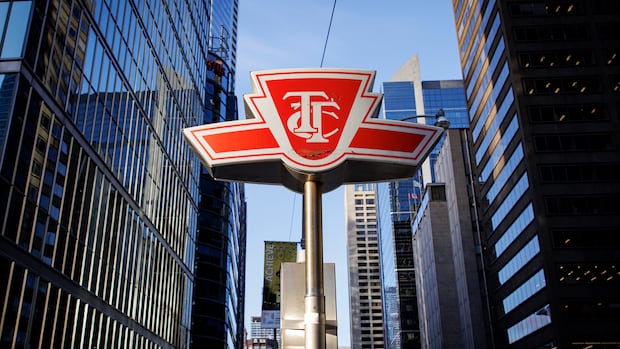
The Toronto Transit Commission (TTC) is seeking a substantial increase in funding from the city as part of its proposed $3 billion operating budget for 2026. This budget aims to maintain fare prices while introducing a fare capping system. The TTC’s request includes $1.48 billion from the city, which represents an increase of approximately $94 million compared to the previous year. The urgency of this request highlights the transit agency’s growing dependence on city support to remain operational.
During a meeting on Wednesday, TTC CEO Mandeep Lali addressed the board, emphasizing the challenges the agency faces. “I must be candid about the challenges we face,” Lali stated. “The TTC continues to experience a structural fiscal imbalance, driven by rising costs, lower than expected fare revenue, and slower ridership growth. We are increasingly reliant on the city subsidy and reserve funds.”
The budget proposal will be presented to the city budget committee for consideration. Mayor Olivia Chow previously announced the fare freeze and fare capping initiative as part of her affordability plans for the city, which will be revealed to the public on Thursday.
Financial Challenges and Solutions
The TTC’s financial strategy includes drawing $35 million from its reserves to keep fares stable, which is nearly half of the reserve funds available. Fare revenue is projected to cover only about one-third of the total budget. The agency’s struggles to attract riders have resulted in fare revenue falling short of expectations, a trend attributed to a slower-than-anticipated return to office work. John Montagnese, the interim chief financial officer for the TTC, noted that student pass sales have also declined, partly due to reduced international student permits.
Despite these challenges, TTC officials are optimistic about a potential increase in ridership due to the upcoming 2026 FIFA World Cup, which is expected to draw more visitors to the city.
Introducing Fare Capping
A key highlight of the proposed budget is the introduction of a fare capping system, which would allow riders to travel for free after taking 47 rides in a single month. This initiative is set to begin in September 2026, eliminating the need for passengers to pay for a monthly pass upfront, which costs $156. The initial implementation of this program is estimated to cost the TTC approximately $3 million in its first year.
Plans for 2027 include reducing the cap to 40 rides, allowing regular commuters to ride for free on weekends if they take the TTC to and from work each weekday. This adjustment would increase costs to $14.7 million in 2027, and by 2028, when the 40 ride limit would be in place for a full year, the anticipated cost would rise to $17.2 million.
As the TTC prepares for its upcoming budget discussions, the implications of these changes will resonate with both transit users and city officials, prompting further dialogue on funding and service delivery in Toronto’s transit landscape.

Meta Plans Major Layoffs as AI Costs Surge

Alberta’s Referendum Could Pave Way for U.S. Statehood

Minooka District 201 Plans Enhanced Bilingual Support for Students

Canmore Approves Multiple Development Permits for New Projects

Remembering Bradly Castillo Shearsmith: A Life of Friendship and Joy

BIS Urges Watchdogs to Integrate Synthetic Risk Transfers in Stress Tests

Teva Transforms: Shifting Focus from Generics to Branded Success

Apple Launches AirPods Max 2 with Enhanced Audio Features

Ontario Ends Funding for Seven Supervised Injection Sites

Toyoake City Proposes Daily Two-Hour Smartphone Use Limit

Pedestrian Fatally Injured in Esquimalt Collision on August 14

B.C. Review Reveals Urgent Need for Rare-Disease Drug Reforms

Dark Adventure Game “Bye Sweet Carole” Set for October Release

Konami Revives Iconic Metal Gear Solid Delta Ahead of Release

Jimmy Lai’s Defense Challenges Charges Under National Security Law

Victoria’s Pop-Up Shop Shines Light on B.C.’s Wolf Cull

Snapmaker U1 Color 3D Printer Redefines Speed and Sustainability

Apple Expands Self-Service Repair Program to Canada
-
 Science11 months ago
Toyoake City Proposes Daily Two-Hour Smartphone Use Limit
-
 Top Stories11 months ago
Pedestrian Fatally Injured in Esquimalt Collision on August 14
-
 Health11 months ago
B.C. Review Reveals Urgent Need for Rare-Disease Drug Reforms
-
 Technology11 months ago
Dark Adventure Game “Bye Sweet Carole” Set for October Release
-
 Technology11 months ago
Konami Revives Iconic Metal Gear Solid Delta Ahead of Release
-
 World11 months ago
Jimmy Lai’s Defense Challenges Charges Under National Security Law
-
 Lifestyle11 months ago
Victoria’s Pop-Up Shop Shines Light on B.C.’s Wolf Cull
-
 Technology11 months ago
Snapmaker U1 Color 3D Printer Redefines Speed and Sustainability
-
 Technology11 months ago
Apple Expands Self-Service Repair Program to Canada
-

 Technology11 months ago
AION Folding Knife: Redefining EDC Design with Premium Materials
-

 Technology11 months ago
Solve Today’s Wordle Challenge: Hints and Answer for August 19
-

 Business11 months ago
Gordon Murray Automotive Unveils S1 LM and Le Mans GTR at Monterey