
World
Record 45% of Americans Identify as Political Independents

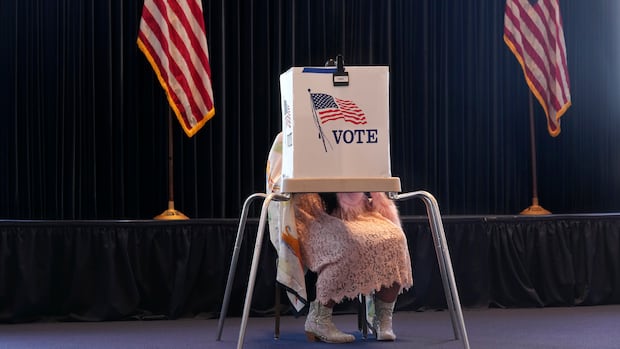
A recent Gallup poll reveals that a record 45 percent of Americans now identify as political independents, marking a significant shift in the political landscape. Conducted throughout 2025 with over 15,000 participants, this survey highlights a growing disconnection from the two dominant parties, the Republicans and Democrats, each of which garnered only 27 percent of voter identification.
The trend suggests that many voters are increasingly dissatisfied with both major parties. Political consultant Chad Peace, who works with the Independent Voter Project, notes that the U.S. political system fosters an environment ripe for polarization. He explains, “The parties are tending toward subjects and positions that feed the base, that are not reflective of the average person.” This dissatisfaction may contribute to a cycle where fewer voters feel motivated to engage, potentially deepening political divides.
Impact of Political Polarization
The implications of this trend are far-reaching. Jared McDonald, an assistant professor of political science at the University of Mary Washington, highlights that independents often lack the political engagement seen in party loyalists. “This leaves more political influence in the hands of the most dissonant voices, the people who are on the furthest extremes of both the Democratic Party and the Republican Party,” he states. As a result, the most radical perspectives may dominate the political dialogue, pushing moderates further away.
Gallup’s data indicates that the rise in independent voters began in 2008, coinciding with the election of Barack Obama, and has continued to climb, particularly after Donald Trump‘s first term. The polling organization attributes this increase in part to changing political habits among younger voters. Specifically, individuals born after the Baby Boom are less likely to align themselves with a single party as they age.
The survey reveals that 56 percent of Generation Z adults now identify as independents, a notable increase from 47 percent of millennials in 2012 and 40 percent of Generation Xers in 1992. This demographic shift underscores a significant departure from traditional party affiliation.
Younger Voters Seek Alternatives
While many young voters express interest in political matters, their discontent with the prevailing political environment is evident. McDonald notes that younger generations are less inclined to adopt labels associated with the polarized politics of the current parties. “They’re less willing to adopt a label,” he explains, reflecting a desire for alternatives to what they perceive as an unresponsive political system.
The Gallup polling also examined the leanings of those identifying as independent. Among the 45 percent who classified themselves as independents, 20 percent lean toward the Democratic Party, while 15 percent lean toward the Republican Party. Interestingly, 10 percent reported no leaning toward either party. In the highly contested 2024 presidential election, independent voters split evenly between Trump and Democratic nominee Kamala Harris, with each candidate receiving 48 percent of this demographic’s support.
While the survey provides valuable insights into the current political climate, it does not specify voter turnout or intentions for future elections. Nonetheless, McDonald emphasizes that many independents’ political leanings often stem from opposition to a party rather than a genuine affiliation. “Oftentimes what they say is, ‘Well I’m not going to identify as a Democrat or Republican, but I certainly know which side I dislike more,’” he adds.
As the landscape of American politics evolves, the rise of independents may continue to challenge the status quo, prompting both major parties to reassess their platforms and outreach strategies. The growing number of voters rejecting traditional affiliations reflects a potential turning point in U.S. political engagement, with implications for future elections and governance.

Meta Plans Major Layoffs as AI Costs Surge

Alberta’s Referendum Could Pave Way for U.S. Statehood

Minooka District 201 Plans Enhanced Bilingual Support for Students

Canmore Approves Multiple Development Permits for New Projects

Remembering Bradly Castillo Shearsmith: A Life of Friendship and Joy

BIS Urges Watchdogs to Integrate Synthetic Risk Transfers in Stress Tests

Teva Transforms: Shifting Focus from Generics to Branded Success

Apple Launches AirPods Max 2 with Enhanced Audio Features

Ontario Ends Funding for Seven Supervised Injection Sites

Toyoake City Proposes Daily Two-Hour Smartphone Use Limit

Pedestrian Fatally Injured in Esquimalt Collision on August 14

B.C. Review Reveals Urgent Need for Rare-Disease Drug Reforms

Dark Adventure Game “Bye Sweet Carole” Set for October Release

Konami Revives Iconic Metal Gear Solid Delta Ahead of Release

Jimmy Lai’s Defense Challenges Charges Under National Security Law

Victoria’s Pop-Up Shop Shines Light on B.C.’s Wolf Cull

Snapmaker U1 Color 3D Printer Redefines Speed and Sustainability

Apple Expands Self-Service Repair Program to Canada
-
 Science11 months ago
Toyoake City Proposes Daily Two-Hour Smartphone Use Limit
-
 Top Stories11 months ago
Pedestrian Fatally Injured in Esquimalt Collision on August 14
-
 Health11 months ago
B.C. Review Reveals Urgent Need for Rare-Disease Drug Reforms
-
 Technology11 months ago
Dark Adventure Game “Bye Sweet Carole” Set for October Release
-
 Technology11 months ago
Konami Revives Iconic Metal Gear Solid Delta Ahead of Release
-
 World11 months ago
Jimmy Lai’s Defense Challenges Charges Under National Security Law
-
 Lifestyle11 months ago
Victoria’s Pop-Up Shop Shines Light on B.C.’s Wolf Cull
-
 Technology11 months ago
Snapmaker U1 Color 3D Printer Redefines Speed and Sustainability
-
 Technology11 months ago
Apple Expands Self-Service Repair Program to Canada
-

 Technology11 months ago
AION Folding Knife: Redefining EDC Design with Premium Materials
-

 Technology11 months ago
Solve Today’s Wordle Challenge: Hints and Answer for August 19
-

 Business11 months ago
Gordon Murray Automotive Unveils S1 LM and Le Mans GTR at Monterey