
World
New Zealand Flags Oil Smuggling Tankers in Pacific Registry

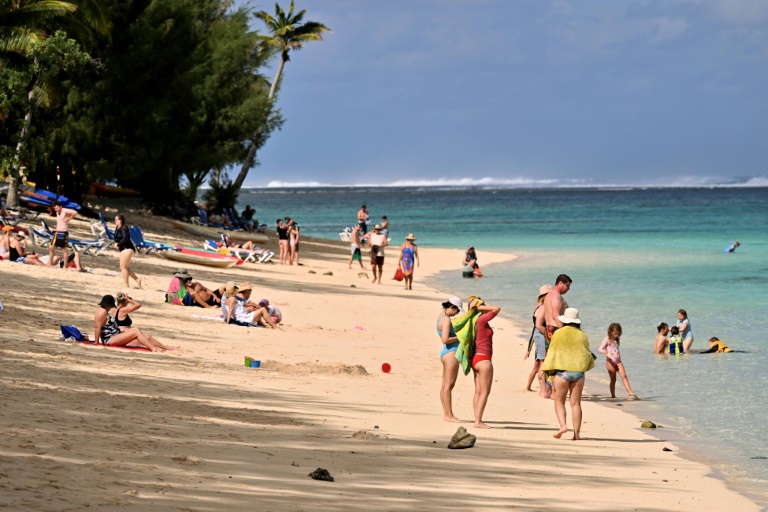
New Zealand has raised alarms regarding a “shadow fleet” of tankers suspected of smuggling oil for Russia and Iran. This warning was directed to the Cook Islands, a small Pacific nation, which has become increasingly associated with maritime smuggling activities. A confidential list obtained by AFP details 19 vessels registered under the Cook Islands flag that have come under scrutiny.
The Cook Islands operates an international shipping registry that allows foreign vessels to register under its flag for a nominal fee, often just a few thousand dollars. Reports indicate that this system has attracted smugglers looking to bypass Western sanctions by sailing under the Cook Islands flag, effectively disguising themselves as legitimate operators.
In 2024, New Zealand officials compiled a list of tankers that had raised concerns, including the Arabesca and the Maruti. The Arabesca, a crude oil tanker, frequently docked at Russian ports in the Baltic Sea and was later blacklisted by the UK, Canada, Switzerland, and the European Union for its role in smuggling Russian oil. The Maruti, a chemical tanker, was linked to the transportation of “hundreds of thousands of barrels” of Iranian naptha fuel, as indicated by a US sanctions notice in December 2025.
Of the 19 ships initially flagged, seven continued to be registered in the Cook Islands as of mid-January this year, including the Bonetta and the Ocean Wave. These vessels are under suspicion for transporting crude oil from Iran, raising further concerns about the archipelago’s role in facilitating smuggling operations. Attempts to reach the owners of the flagged vessels for comment were unsuccessful.
New Zealand’s concerns were communicated to the Cook Islands government through diplomatic channels in 2024. According to New Zealand’s foreign affairs department, the Cook Islands has been exploited by transnational maritime smuggling networks, often referred to as the “shadow fleet.” This fleet operates by registering in jurisdictions where regulatory oversight is less stringent, enabling them to evade detection and sanctions.
In response to these allegations, a former Royal New Zealand Navy officer, Mark Douglas, noted that at one point in 2024, approximately 150 foreign tankers were registered in the Cook Islands. He described the situation as one where it was relatively easy to obtain registration, provided the necessary paperwork and payment were in order.
While the Cook Islands has since de-registered many of the questionable vessels, Douglas indicated that some remain, still raising concerns about their legitimacy. Currently, the International Maritime Organisation lists 40 tankers registered to the Cook Islands.
The practice of using flags of convenience, like that of the Cook Islands, allows foreign ship owners to register without ever visiting the archipelago, which is located between New Zealand and Hawaii. A report from the European Parliament in 2024 identified the Cook Islands as one of the top countries whose flags are being utilized by shadow tankers transporting Russian crude oil.
Maritime Cook Islands, the entity managing the shipping registry, was noted in a shipping journal as the “fastest growing registry” globally in 2024. Despite the significant growth, the revenue generated from shipping licenses remains modest, with budget documents estimating an income of around US$50,000 for the year.
While Maritime Cook Islands has previously claimed that it conducts appropriate checks and has never registered sanctioned vessels, the evidence suggests an ongoing challenge in enforcing these regulations. The situation presents a diplomatic dilemma for New Zealand, which has historical ties to the Cook Islands and maintains constitutional responsibilities in foreign affairs and defense.
The implications of the Cook Islands’ involvement in international smuggling activities not only affect regional stability but also highlight broader issues surrounding maritime governance and the effectiveness of sanctions aimed at curbing illicit oil trade.

Meta Plans Major Layoffs as AI Costs Surge

Alberta’s Referendum Could Pave Way for U.S. Statehood

Minooka District 201 Plans Enhanced Bilingual Support for Students

Canmore Approves Multiple Development Permits for New Projects

Remembering Bradly Castillo Shearsmith: A Life of Friendship and Joy

BIS Urges Watchdogs to Integrate Synthetic Risk Transfers in Stress Tests

Teva Transforms: Shifting Focus from Generics to Branded Success

Apple Launches AirPods Max 2 with Enhanced Audio Features

Ontario Ends Funding for Seven Supervised Injection Sites

Toyoake City Proposes Daily Two-Hour Smartphone Use Limit

Pedestrian Fatally Injured in Esquimalt Collision on August 14

B.C. Review Reveals Urgent Need for Rare-Disease Drug Reforms

Dark Adventure Game “Bye Sweet Carole” Set for October Release

Konami Revives Iconic Metal Gear Solid Delta Ahead of Release

Victoria’s Pop-Up Shop Shines Light on B.C.’s Wolf Cull

Jimmy Lai’s Defense Challenges Charges Under National Security Law

Snapmaker U1 Color 3D Printer Redefines Speed and Sustainability

Apple Expands Self-Service Repair Program to Canada
-
 Science1 year ago
Toyoake City Proposes Daily Two-Hour Smartphone Use Limit
-
 Top Stories1 year ago
Pedestrian Fatally Injured in Esquimalt Collision on August 14
-
 Health1 year ago
B.C. Review Reveals Urgent Need for Rare-Disease Drug Reforms
-
 Technology1 year ago
Dark Adventure Game “Bye Sweet Carole” Set for October Release
-
 Technology1 year ago
Konami Revives Iconic Metal Gear Solid Delta Ahead of Release
-
 Lifestyle1 year ago
Victoria’s Pop-Up Shop Shines Light on B.C.’s Wolf Cull
-
 World1 year ago
Jimmy Lai’s Defense Challenges Charges Under National Security Law
-
 Technology1 year ago
Snapmaker U1 Color 3D Printer Redefines Speed and Sustainability
-
 Technology1 year ago
Apple Expands Self-Service Repair Program to Canada
-

 Technology1 year ago
AION Folding Knife: Redefining EDC Design with Premium Materials
-

 Technology1 year ago
Solve Today’s Wordle Challenge: Hints and Answer for August 19
-

 Business1 year ago
Gordon Murray Automotive Unveils S1 LM and Le Mans GTR at Monterey