
World
Japan Bids Farewell to Pandas as Diplomatic Ties Strain

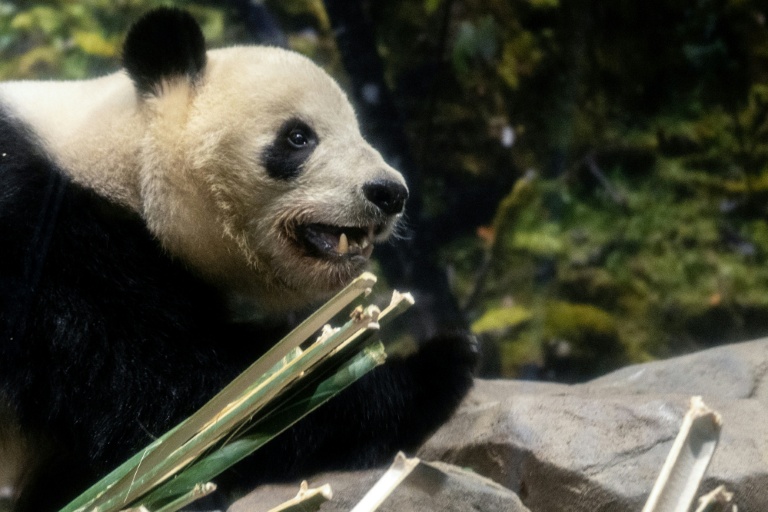
Two beloved pandas, Lei Lei and Xiao Xiao, are set to leave Japan for China on Tuesday, marking the first time in fifty years that the country will be without any giant pandas. The departure from Ueno Zoological Gardens follows a tense diplomatic climate between Japan and China, igniting disappointment among the many fans who have grown attached to the four-year-old bears.
The pandas’ return was announced last month, coinciding with rising tensions after Japanese Prime Minister Sanae Takaichi suggested military intervention should an attack on Taiwan occur. This statement drew sharp criticism from Beijing, which considers Taiwan a part of its territory.
The pandas, which have been a symbol of friendship since the two countries normalized diplomatic relations in 1972, are being sent back a month before their loan period expires in February, according to the Tokyo Metropolitan Government. Many Japanese citizens have expressed their sadness over the pandas’ departure. One visitor shared her sentiments, stating, “Although I can’t see them, I came to share the same air with them and to say, ‘Hope you’ll be OK,’” as reported by public broadcaster NHK.
Despite Japan’s reported interest in securing a new pair of pandas, public opinion appears divided. A recent poll conducted by the liberal Asahi Shimbun newspaper found that 70 percent of respondents do not believe the government should negotiate with China for new pandas, while only 26 percent support such discussions.
Public Sentiment and the Future of Panda Diplomacy
On Sunday, Ueno Zoo invited approximately 4,400 lucky winners of an online lottery to visit the pandas one last time. This event attracted passionate fans without tickets as well, who donned panda-themed merchandise to demonstrate their affection for the animals.
The current diplomatic situation has implications beyond the departure of the pandas. China has actively discouraged its citizens from traveling to Japan, citing concerns over public safety and incidents involving Chinese nationals. Additionally, Beijing has reportedly restricted exports of rare-earth products to Japan, which are essential for a variety of industries, including electric vehicles and missiles.
Despite the political context, some experts suggest that the pandas’ return may not be purely politically motivated. Masaki Ienaga, a professor at Tokyo Woman’s Christian University specializing in East Asian international relations, noted that the timing of panda repatriation often aligns with political climates. He emphasized that pandas possess significant diplomatic value, stating, “If you talk about (Chinese) politics, the timing of sending pandas is what counts.”
Ienaga further explained that pandas are unique in their appeal, offering not only a means of fostering international relations but also potential economic benefits. “Pandas have strong customer-drawing power, and… they can earn money,” he said, highlighting their role in attracting visitors to zoos and generating revenue.
As Japan prepares to say goodbye to Lei Lei and Xiao Xiao, the future of panda diplomacy remains uncertain. The bears’ departure serves as a poignant reminder of the complex interplay between culture, wildlife conservation, and international relations. While the pandas may be leaving, the hope remains that they could one day return to Japan if bilateral ties improve.

Meta Plans Major Layoffs as AI Costs Surge

Alberta’s Referendum Could Pave Way for U.S. Statehood

Minooka District 201 Plans Enhanced Bilingual Support for Students

Canmore Approves Multiple Development Permits for New Projects

Remembering Bradly Castillo Shearsmith: A Life of Friendship and Joy

BIS Urges Watchdogs to Integrate Synthetic Risk Transfers in Stress Tests

Teva Transforms: Shifting Focus from Generics to Branded Success

Apple Launches AirPods Max 2 with Enhanced Audio Features

Ontario Ends Funding for Seven Supervised Injection Sites

Toyoake City Proposes Daily Two-Hour Smartphone Use Limit

Pedestrian Fatally Injured in Esquimalt Collision on August 14

B.C. Review Reveals Urgent Need for Rare-Disease Drug Reforms

Dark Adventure Game “Bye Sweet Carole” Set for October Release

Konami Revives Iconic Metal Gear Solid Delta Ahead of Release

Jimmy Lai’s Defense Challenges Charges Under National Security Law

Victoria’s Pop-Up Shop Shines Light on B.C.’s Wolf Cull

Snapmaker U1 Color 3D Printer Redefines Speed and Sustainability

Apple Expands Self-Service Repair Program to Canada
-
 Science11 months ago
Toyoake City Proposes Daily Two-Hour Smartphone Use Limit
-
 Top Stories11 months ago
Pedestrian Fatally Injured in Esquimalt Collision on August 14
-
 Health11 months ago
B.C. Review Reveals Urgent Need for Rare-Disease Drug Reforms
-
 Technology11 months ago
Dark Adventure Game “Bye Sweet Carole” Set for October Release
-
 Technology11 months ago
Konami Revives Iconic Metal Gear Solid Delta Ahead of Release
-
 World11 months ago
Jimmy Lai’s Defense Challenges Charges Under National Security Law
-
 Lifestyle11 months ago
Victoria’s Pop-Up Shop Shines Light on B.C.’s Wolf Cull
-
 Technology11 months ago
Snapmaker U1 Color 3D Printer Redefines Speed and Sustainability
-
 Technology11 months ago
Apple Expands Self-Service Repair Program to Canada
-

 Technology11 months ago
AION Folding Knife: Redefining EDC Design with Premium Materials
-

 Technology11 months ago
Solve Today’s Wordle Challenge: Hints and Answer for August 19
-

 Business11 months ago
Gordon Murray Automotive Unveils S1 LM and Le Mans GTR at Monterey