
Science
Researchers Discover Innovative Method to Treat Brain Diseases

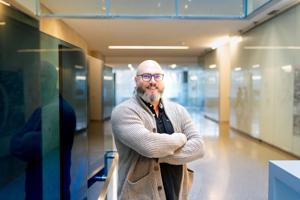
Researchers at the University of Waterloo have made a significant breakthrough in developing potential treatments for brain diseases such as Parkinson’s and Alzheimer’s. The team discovered that manipulating the inner structures of brain cells using weak magnetic fields and isotopes can stabilize damaged proteins commonly associated with neurodegenerative conditions. This innovative approach could change how these diseases are treated in the future.
Groundbreaking Research in Quantum Neurobiology
Dr. Travis Craddock, a biology professor at the University of Waterloo and Canada Research Chair in Quantum Neurobiology, led the study. In a recent news release, Craddock emphasized the importance of their findings, stating, “This changes our basic knowledge of biology. Biology is often thought to be too warm, wet and noisy to make use of interactions on the scale of atoms and subatomic particles. But our observations indicate that there is a unique mechanism in biology that may rely on quantum principles.”
In neurodegenerative diseases, brain cells often become unstable, losing their shape and leading to cognitive impairments. This instability disrupts the transmission of information within the brain’s neural networks. The new method proposed by Craddock and his team represents a promising strategy to stabilize these compromised cells and restore functionality.
“The protein structures that we manipulate in this study are the same ones that fall apart in neurodegenerative diseases,” Craddock explained. “We are hoping to leverage this effect to stabilize protein structures in brain cells that are damaged by these illnesses.”
Next Steps in Research
The next phase of this research will involve applying the new treatment approach directly to human brain cells in a laboratory setting. This step will be crucial in assessing the effectiveness and safety of the method before potential clinical applications.
The implications of this research could be far-reaching, offering hope to millions affected by conditions like Parkinson’s and Alzheimer’s. As scientists continue to explore the intersection of quantum mechanics and biology, further advancements may emerge that could transform treatment options for neurodegenerative diseases.
This groundbreaking discovery at the University of Waterloo exemplifies the potential of innovative research to address some of the most challenging health issues facing society today.

Meta Plans Major Layoffs as AI Costs Surge

Alberta’s Referendum Could Pave Way for U.S. Statehood

Minooka District 201 Plans Enhanced Bilingual Support for Students

Canmore Approves Multiple Development Permits for New Projects

Remembering Bradly Castillo Shearsmith: A Life of Friendship and Joy

BIS Urges Watchdogs to Integrate Synthetic Risk Transfers in Stress Tests

Teva Transforms: Shifting Focus from Generics to Branded Success

Apple Launches AirPods Max 2 with Enhanced Audio Features

Ontario Ends Funding for Seven Supervised Injection Sites

Toyoake City Proposes Daily Two-Hour Smartphone Use Limit

Pedestrian Fatally Injured in Esquimalt Collision on August 14

B.C. Review Reveals Urgent Need for Rare-Disease Drug Reforms

Dark Adventure Game “Bye Sweet Carole” Set for October Release

Konami Revives Iconic Metal Gear Solid Delta Ahead of Release

Victoria’s Pop-Up Shop Shines Light on B.C.’s Wolf Cull

Jimmy Lai’s Defense Challenges Charges Under National Security Law

Snapmaker U1 Color 3D Printer Redefines Speed and Sustainability

Apple Expands Self-Service Repair Program to Canada
-
 Science11 months ago
Toyoake City Proposes Daily Two-Hour Smartphone Use Limit
-
 Top Stories11 months ago
Pedestrian Fatally Injured in Esquimalt Collision on August 14
-
 Health11 months ago
B.C. Review Reveals Urgent Need for Rare-Disease Drug Reforms
-
 Technology11 months ago
Dark Adventure Game “Bye Sweet Carole” Set for October Release
-
 Technology11 months ago
Konami Revives Iconic Metal Gear Solid Delta Ahead of Release
-
 Lifestyle11 months ago
Victoria’s Pop-Up Shop Shines Light on B.C.’s Wolf Cull
-
 World11 months ago
Jimmy Lai’s Defense Challenges Charges Under National Security Law
-
 Technology11 months ago
Snapmaker U1 Color 3D Printer Redefines Speed and Sustainability
-
 Technology11 months ago
Apple Expands Self-Service Repair Program to Canada
-

 Technology11 months ago
AION Folding Knife: Redefining EDC Design with Premium Materials
-

 Technology11 months ago
Solve Today’s Wordle Challenge: Hints and Answer for August 19
-

 Business11 months ago
Gordon Murray Automotive Unveils S1 LM and Le Mans GTR at Monterey