
Science
NASA Defers Artemis II Launch as Rocket Faces Helium Issue

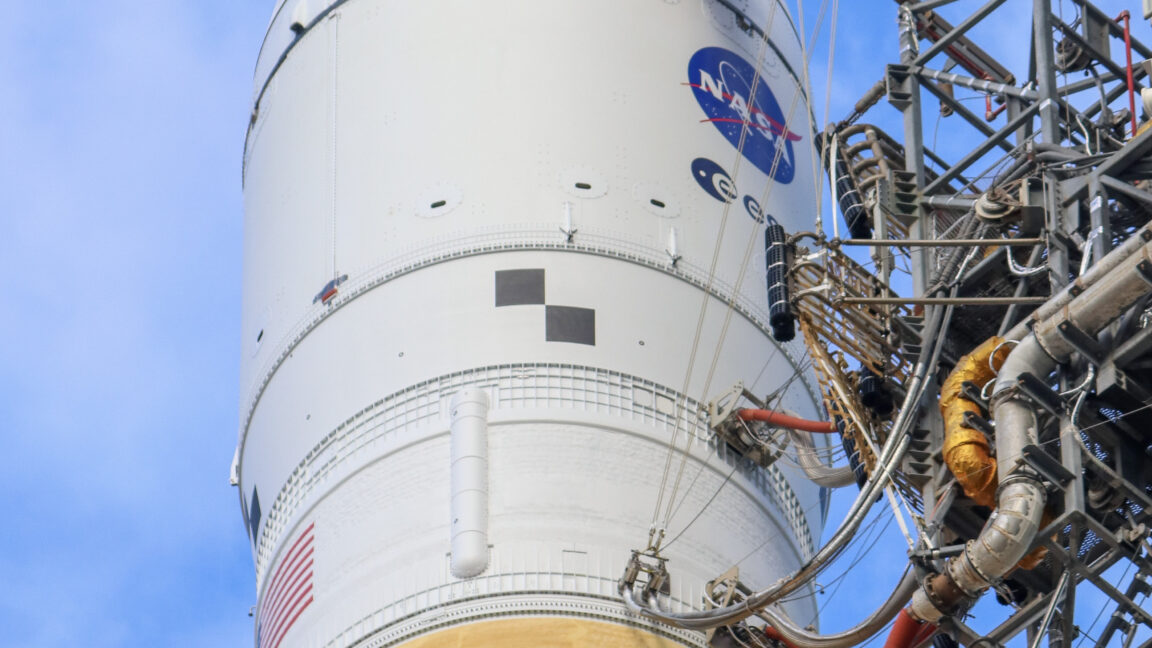
NASA has announced that it must return the Artemis II rocket to the Vehicle Assembly Building (VAB) for repairs, postponing the anticipated launch scheduled for March 6, 2024. This decision follows the discovery of a problem with the helium flow into the upper stage of the Space Launch System (SLS) rocket, which was identified during routine checks on Friday evening.
NASA Administrator Jared Isaacman confirmed the issue via a post on X, stating that engineers are currently investigating the cause. Repairs can only be conducted within the VAB, meaning that the 322-foot-tall (98-meter) SLS rocket will be transported back from Launch Complex 39B. The journey will take place via NASA’s crawler-transporter over a distance of four miles.
Isaacman expressed understanding of the disappointment this news brings, particularly for the dedicated team at NASA who have been working diligently towards this mission. “Regardless of the potential fault, accessing and remediating any of these issues can only be performed in the VAB,” he wrote. Given these developments, the March launch window is no longer viable, although future opportunities may remain.
Initially, NASA had aimed for a launch attempt for Artemis II as early as March 6, with five available launch windows throughout the month. These dates are determined by multiple factors, including the Moon’s position, the mission’s trajectory, and environmental conditions. Should repairs be completed timely, the next series of launch dates will open on April 1.
The latest setback follows a previous incident in which a hydrogen leak was discovered during a fueling test of the SLS rocket earlier this month. After replacing seals in the fueling line, a subsequent test on Thursday showed no significant leaks, raising hopes for a March launch. However, the newly identified helium issue has since put those plans on hold.
The helium system on the SLS upper stage, known as the Interim Cryogenic Propulsion Stage (ICPS), is crucial for purging the upper stage engine and pressurizing its propellant tanks. “Last evening, the team was unable to get helium flow through the vehicle. This occurred during a routine operation to repressurize the system,” Isaacman noted.
NASA has encountered similar issues in the past. During the preparations for the Artemis I mission in 2022, a failure in a check valve on the upper stage was identified as the source of a similar problem. Currently, it remains unclear if the recent helium issue stems from a valve failure, an interface fault between the rocket and the launch tower, or a filter malfunction.
Inside the VAB, technicians will set up work platforms around the rocket to facilitate access to the upper stage and its umbilical connections. NASA officials have stated that addressing these issues now may help preserve the April launch window, depending on the outcomes of ongoing investigations and repair efforts.
The Artemis II mission is significant as it marks the first crewed spaceflight to the vicinity of the Moon since 1972. The mission will also be the first time astronauts will fly aboard the SLS rocket and the Orion spacecraft. Astronauts Reid Wiseman, Victor Glover, Christina Koch, and Jeremy Hansen have entered standard preflight medical quarantine but will now resume their regular training activities.
NASA aims to land the first Artemis mission on the Moon by 2028, although this timeline is subject to various uncertainties, including the readiness of a human-rated lander and spacesuits. A successful Artemis II mission will be a critical step in demonstrating the capabilities of the SLS rocket and the Orion spacecraft.
With many elements of the Artemis program under scrutiny, Isaacman has indicated that a more comprehensive update on Artemis II and NASA’s broader lunar ambitions will be provided later this week.

Meta Plans Major Layoffs as AI Costs Surge

Alberta’s Referendum Could Pave Way for U.S. Statehood

Minooka District 201 Plans Enhanced Bilingual Support for Students

Canmore Approves Multiple Development Permits for New Projects

Remembering Bradly Castillo Shearsmith: A Life of Friendship and Joy

BIS Urges Watchdogs to Integrate Synthetic Risk Transfers in Stress Tests

Teva Transforms: Shifting Focus from Generics to Branded Success

Apple Launches AirPods Max 2 with Enhanced Audio Features

Ontario Ends Funding for Seven Supervised Injection Sites

Toyoake City Proposes Daily Two-Hour Smartphone Use Limit

Pedestrian Fatally Injured in Esquimalt Collision on August 14

B.C. Review Reveals Urgent Need for Rare-Disease Drug Reforms

Dark Adventure Game “Bye Sweet Carole” Set for October Release

Konami Revives Iconic Metal Gear Solid Delta Ahead of Release

Victoria’s Pop-Up Shop Shines Light on B.C.’s Wolf Cull

Jimmy Lai’s Defense Challenges Charges Under National Security Law

Snapmaker U1 Color 3D Printer Redefines Speed and Sustainability

Apple Expands Self-Service Repair Program to Canada
-
 Science11 months ago
Toyoake City Proposes Daily Two-Hour Smartphone Use Limit
-
 Top Stories11 months ago
Pedestrian Fatally Injured in Esquimalt Collision on August 14
-
 Health11 months ago
B.C. Review Reveals Urgent Need for Rare-Disease Drug Reforms
-
 Technology11 months ago
Dark Adventure Game “Bye Sweet Carole” Set for October Release
-
 Technology11 months ago
Konami Revives Iconic Metal Gear Solid Delta Ahead of Release
-
 Lifestyle11 months ago
Victoria’s Pop-Up Shop Shines Light on B.C.’s Wolf Cull
-
 World11 months ago
Jimmy Lai’s Defense Challenges Charges Under National Security Law
-
 Technology11 months ago
Snapmaker U1 Color 3D Printer Redefines Speed and Sustainability
-
 Technology11 months ago
Apple Expands Self-Service Repair Program to Canada
-

 Technology11 months ago
AION Folding Knife: Redefining EDC Design with Premium Materials
-

 Technology11 months ago
Solve Today’s Wordle Challenge: Hints and Answer for August 19
-

 Business11 months ago
Gordon Murray Automotive Unveils S1 LM and Le Mans GTR at Monterey