
Business
Supreme Court Ruling Disrupts Trump’s Tariff Strategies

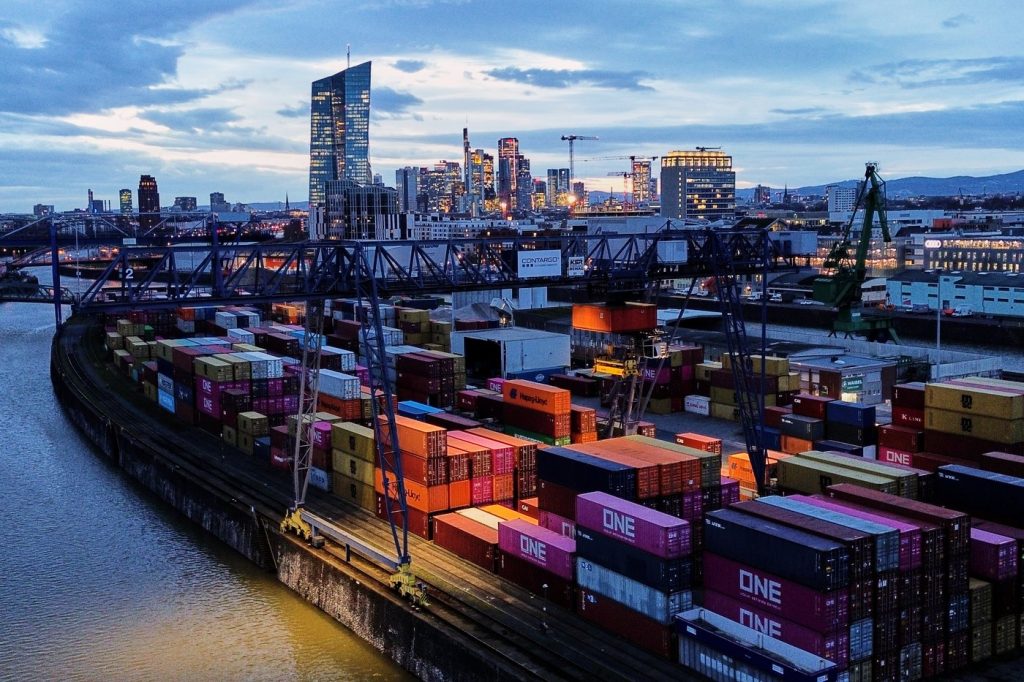
The Supreme Court’s recent ruling against President Donald Trump‘s tariffs marks a significant shift in U.S. trade policy, restricting his ability to impose new import taxes without legal justification. This decision, announced on March 15, 2024, does not, however, alleviate the uncertainty that has plagued businesses navigating Trump’s erratic trade approach over the past year. According to trade lawyer Ryan Majerus, partner at King & Spalding, the situation has only become more complex for stakeholders.
The ruling raises critical questions about how Trump might leverage alternative legal frameworks to establish tariffs previously invalidated by the court. Experts are particularly concerned about the implications for trade agreements Trump negotiated under the threat of tariffs, which he used to extract concessions from countries such as those in the European Union and the United Kingdom.
Despite the Supreme Court’s decision, Trump indicated he intends to utilize other legal avenues to impose tariffs. He immediately referenced Section 122 of the Trade Act of 1974, which permits the president to impose tariffs of up to 15% for a duration of 150 days. However, any extension of this period would require Congressional approval, a challenge given the political landscape as midterm elections approach. Critics, including Bryan Riley of the National Taxpayers Union, argue that Section 122 is not a suitable substitute for the now-defunct tariffs aimed at addressing trade deficits.
Legal experts predict a potential surge in litigation as businesses seek refunds for tariffs collected under the International Emergency Economic Powers Act (IEEPA), which amounted to $133 billion by December 2023. The Supreme Court left the issue of refunds to lower courts and the Customs and Border Protection agency, which are likely to be overwhelmed by claims from numerous companies.
Trump’s unpredictable approach complicates the situation further. Following the ruling, he announced plans to impose a 10% levy on imports but escalated that figure to 15% within days, causing confusion among businesses and trading partners.
The Supreme Court’s decision also raises concerns about the ongoing trade agreements negotiated last year under the threat of tariffs. With the IEEPA tariffs invalidated, trading partners may reassess their commitments. The European Union has already delayed ratification of its trade deal with the U.S., seeking clarity on how Trump’s new import taxes will interact with pre-existing World Trade Organization rules.
Despite the uncertainty, analysts suggest that U.S. trading partners are likely to adhere to the agreements made with Trump. The potential for punitive action under Section 301 of the same trade act looms large, especially if partners violate the terms of their agreements.
As businesses await further developments, the prospect of a convoluted refund process adds another layer of complexity. Analysts from investment bank Macquarie suggest that Congress might push for a streamlined approach to refunds, but they also warn of the risk that the Trump administration could introduce cumbersome procedures, leading to prolonged delays and increased costs for businesses seeking to reclaim their funds.
In summary, the Supreme Court’s ruling against Trump’s tariffs has reshaped the landscape of U.S. trade policy, but significant uncertainties remain. Firms must now navigate a complex web of legal and political challenges as they seek to understand the implications of this landmark decision.

Meta Plans Major Layoffs as AI Costs Surge

Alberta’s Referendum Could Pave Way for U.S. Statehood

Minooka District 201 Plans Enhanced Bilingual Support for Students

Canmore Approves Multiple Development Permits for New Projects

Remembering Bradly Castillo Shearsmith: A Life of Friendship and Joy

BIS Urges Watchdogs to Integrate Synthetic Risk Transfers in Stress Tests

Teva Transforms: Shifting Focus from Generics to Branded Success

Apple Launches AirPods Max 2 with Enhanced Audio Features

Ontario Ends Funding for Seven Supervised Injection Sites

Toyoake City Proposes Daily Two-Hour Smartphone Use Limit

Pedestrian Fatally Injured in Esquimalt Collision on August 14

B.C. Review Reveals Urgent Need for Rare-Disease Drug Reforms

Dark Adventure Game “Bye Sweet Carole” Set for October Release

Konami Revives Iconic Metal Gear Solid Delta Ahead of Release

Jimmy Lai’s Defense Challenges Charges Under National Security Law

Victoria’s Pop-Up Shop Shines Light on B.C.’s Wolf Cull

Snapmaker U1 Color 3D Printer Redefines Speed and Sustainability

Apple Expands Self-Service Repair Program to Canada
-
 Science11 months ago
Toyoake City Proposes Daily Two-Hour Smartphone Use Limit
-
 Top Stories11 months ago
Pedestrian Fatally Injured in Esquimalt Collision on August 14
-
 Health11 months ago
B.C. Review Reveals Urgent Need for Rare-Disease Drug Reforms
-
 Technology11 months ago
Dark Adventure Game “Bye Sweet Carole” Set for October Release
-
 Technology11 months ago
Konami Revives Iconic Metal Gear Solid Delta Ahead of Release
-
 World11 months ago
Jimmy Lai’s Defense Challenges Charges Under National Security Law
-
 Lifestyle11 months ago
Victoria’s Pop-Up Shop Shines Light on B.C.’s Wolf Cull
-
 Technology11 months ago
Snapmaker U1 Color 3D Printer Redefines Speed and Sustainability
-
 Technology11 months ago
Apple Expands Self-Service Repair Program to Canada
-

 Technology11 months ago
AION Folding Knife: Redefining EDC Design with Premium Materials
-

 Technology11 months ago
Solve Today’s Wordle Challenge: Hints and Answer for August 19
-

 Business11 months ago
Gordon Murray Automotive Unveils S1 LM and Le Mans GTR at Monterey