
Business
U.S. Lowers Tariff Rate to 10% Amid Trade Policy Uncertainty

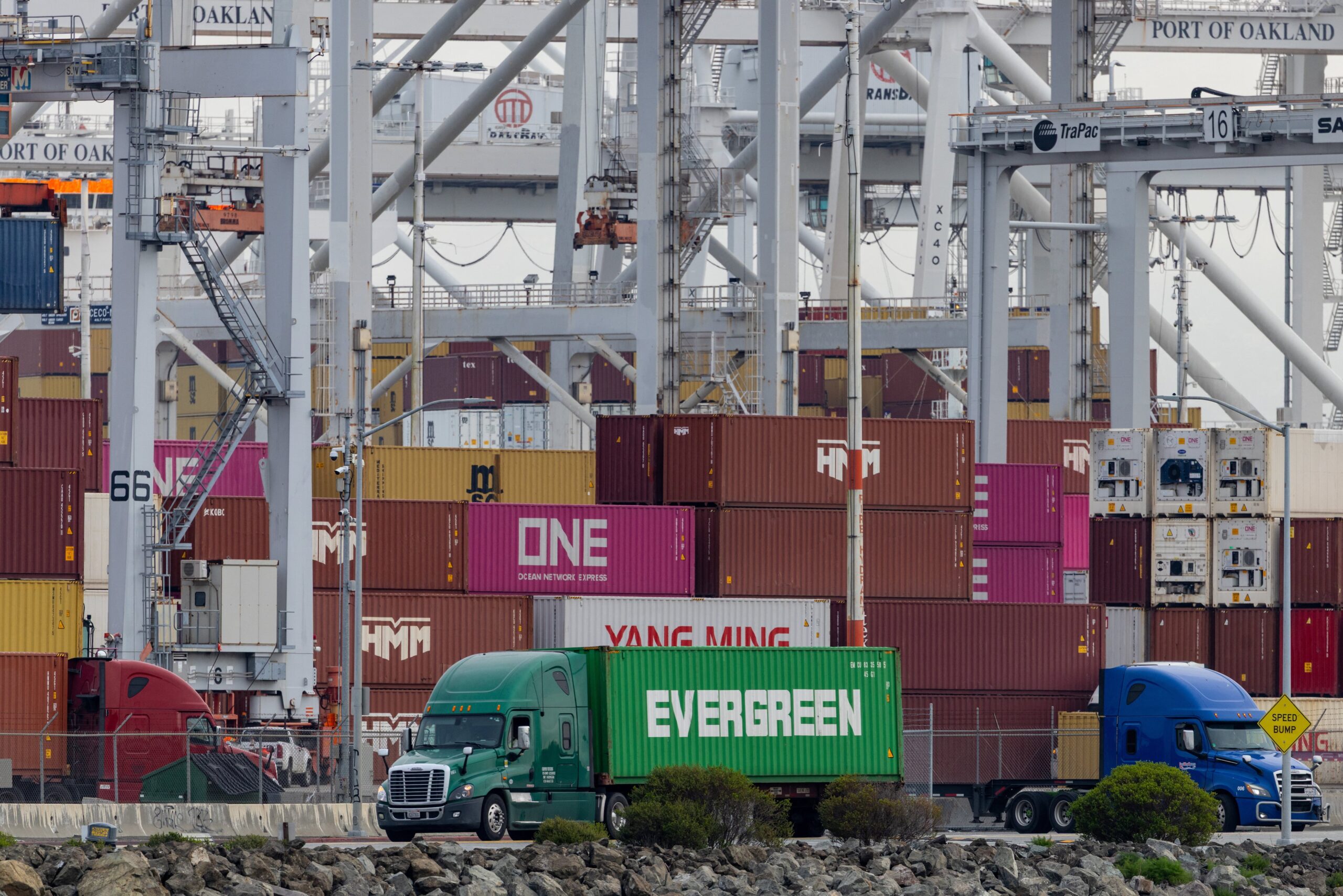
The United States has implemented a new tariff rate of 10% on all goods not exempted, effective from February 20, 2026. This decision was announced by the U.S. Customs and Border Protection (CBP) and follows a series of conflicting statements from President Donald Trump regarding tariff changes. Initially, Trump suggested a higher rate of 15% on Saturday, just a day after proposing the 10% rate.
The backdrop to this tariff adjustment includes a recent U.S. Supreme Court ruling that invalidated certain tariffs as improperly justified under emergency grounds. In response, Trump had indicated a temporary global tariff of 10%. However, the subsequent announcement from CBP has added to the confusion surrounding U.S. trade policy, as no explanation was provided for the reduction from the initially proposed rate.
Traders have expressed concerns over the lack of clarity, with analysts from Deutsche Bank noting that the forthcoming State of the Union address by Trump could shed more light on future tariff strategies. This uncertainty has impacted the markets, with the pan-European STOXX 600 index declining by 0.1% on the same day.
Implications of the New Tariff Structure
The newly imposed tariffs, which took effect at midnight, come in the wake of a previous regime where tariffs ranged from 10% to as high as 50%. The Supreme Court’s ruling has halted the collection of these higher tariffs, although it remains unclear how companies will be reimbursed for payments made under the previous system.
The Section 122 law permits the President to impose duties for up to 150 days to address significant balance-of-payments deficits. Trump has argued that the U.S. faces a serious trade imbalance, citing a $1.2 trillion annual goods trade deficit and a current account deficit of 4% of GDP.
Countries affected by the new tariffs have started to react. Japan has requested assurances from the U.S. that its treatment under the new tariff regime will remain favorable, similar to existing agreements. Meanwhile, the European Union, Britain, and Taiwan have indicated their intent to adhere to their current trade deals.
China has also responded, urging the United States to reconsider its unilateral tariffs and expressing readiness for further trade negotiations. The Chinese Commerce Ministry issued a statement calling for a collaborative approach to resolve the ongoing trade tensions.
As the situation unfolds, the implications of these tariffs on international trade relations remain to be seen. The uncertainty surrounding the latest U.S. trade policies continues to create ripples across global markets and diplomatic channels.

Meta Plans Major Layoffs as AI Costs Surge

Alberta’s Referendum Could Pave Way for U.S. Statehood

Minooka District 201 Plans Enhanced Bilingual Support for Students

Canmore Approves Multiple Development Permits for New Projects

Remembering Bradly Castillo Shearsmith: A Life of Friendship and Joy

BIS Urges Watchdogs to Integrate Synthetic Risk Transfers in Stress Tests

Teva Transforms: Shifting Focus from Generics to Branded Success

Apple Launches AirPods Max 2 with Enhanced Audio Features

Ontario Ends Funding for Seven Supervised Injection Sites

Toyoake City Proposes Daily Two-Hour Smartphone Use Limit

Pedestrian Fatally Injured in Esquimalt Collision on August 14

B.C. Review Reveals Urgent Need for Rare-Disease Drug Reforms

Dark Adventure Game “Bye Sweet Carole” Set for October Release

Konami Revives Iconic Metal Gear Solid Delta Ahead of Release

Victoria’s Pop-Up Shop Shines Light on B.C.’s Wolf Cull

Jimmy Lai’s Defense Challenges Charges Under National Security Law

Snapmaker U1 Color 3D Printer Redefines Speed and Sustainability

Apple Expands Self-Service Repair Program to Canada
-
 Science11 months ago
Toyoake City Proposes Daily Two-Hour Smartphone Use Limit
-
 Top Stories11 months ago
Pedestrian Fatally Injured in Esquimalt Collision on August 14
-
 Health11 months ago
B.C. Review Reveals Urgent Need for Rare-Disease Drug Reforms
-
 Technology11 months ago
Dark Adventure Game “Bye Sweet Carole” Set for October Release
-
 Technology11 months ago
Konami Revives Iconic Metal Gear Solid Delta Ahead of Release
-
 Lifestyle11 months ago
Victoria’s Pop-Up Shop Shines Light on B.C.’s Wolf Cull
-
 World11 months ago
Jimmy Lai’s Defense Challenges Charges Under National Security Law
-
 Technology11 months ago
Snapmaker U1 Color 3D Printer Redefines Speed and Sustainability
-
 Technology11 months ago
Apple Expands Self-Service Repair Program to Canada
-

 Technology11 months ago
AION Folding Knife: Redefining EDC Design with Premium Materials
-

 Technology11 months ago
Solve Today’s Wordle Challenge: Hints and Answer for August 19
-

 Business11 months ago
Gordon Murray Automotive Unveils S1 LM and Le Mans GTR at Monterey