
Top Stories
Carney Strengthens Ties with Japan in 24-Hour Diplomatic Visit

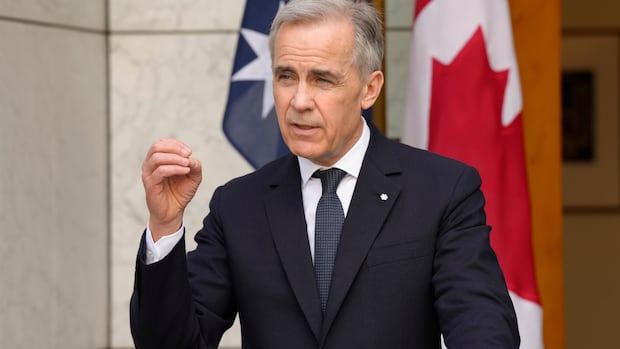
Prime Minister Mark Carney arrived in Tokyo for a brief 24-hour visit aimed at strengthening diplomatic relations with Japan, a key partner in the Indo-Pacific region. This trip marks the conclusion of Carney’s tour through Asia, which included stops in India and Australia. His agenda features a one-on-one meeting with Japanese Prime Minister Sanae Takaichi and a signing ceremony to enhance cooperation between the two nations.
Carney’s visit is notable for being the first by a world leader since Takaichi’s recent election victory in February 2026. In a gesture of goodwill, Carney is expected to present a cake made with Canadian ingredients, including maple syrup, to celebrate Takaichi’s 65th birthday during a dinner on Friday evening.
The primary focus of this trip, however, is business. Carney is actively seeking new investments from Japanese automotive companies, such as Honda and Toyota, which have increasingly become vital players in Canada’s automotive sector. As of early 2026, these companies account for 77 percent of all light vehicles produced in Canada, a significant increase from 44 percent in 2016, according to the Trillium Network for Advanced Manufacturing.
While in Japan, discussions are likely to include Carney’s recent trade agreement with China, which allows for the import of approximately 50,000 Chinese-made electric vehicles (EVs) into the Canadian market. In return, Canada will receive tariff relief on various agricultural and seafood exports. Although this agreement may seem unrelated to Japan, it is essential for Carney to reassure Japanese leaders that this deal does not compromise the longstanding partnership between Canada and Japan, which has historically been Canada’s strongest ally in East Asia. According to Vina Nadjibulla, Vice-President of Research and Strategy at the Asia Pacific Foundation of Canada, Japan’s apprehension regarding China’s growing influence makes this reassurance vital.
Japan has been closely monitoring developments in Sino-Canadian relations. Nadjibulla pointed out that Japan is a significant investor in Canada’s automotive industry, and any moves to invite Chinese investments could impact Japanese interests. Given the ongoing tensions between China and Japan, maintaining a strong relationship with Canada is crucial for Japan’s economic security.
In a recent background briefing with reporters, a senior government official dismissed concerns regarding the Chinese EV deal, stating it contains “nothing that should cause concern to Japan.” Moreover, the relationship between Canada and Japan appears stable, as evidenced by a recent memorandum signed for intelligence sharing on defense procurement, aimed at facilitating military equipment purchases between the two nations. This visit is expected to yield further agreements that will solidify this cooperation.
The quick trip to Japan also serves a diplomatic purpose, allowing Carney to establish rapport with Takaichi, a fellow G7 leader. Senator Peter Boehm, a former diplomat and current chair of the Foreign Affairs and International Trade Committee, emphasized the importance of personal connections among leaders. Building familiarity through face-to-face interactions can enhance cooperation in future discussions.
Nadjibulla echoed this sentiment, highlighting the significance of the Canada-Japan relationship, which is stable and positive yet at risk of being overlooked. She noted that with the Canada-U.S. relationship facing challenges, diversifying trade partnerships has become a top priority for Carney.
Carney’s recent diplomatic efforts have already produced measurable outcomes. His tour has resulted in approximately $5 billion in commercial agreements with India, covering various sectors such as uranium, pharmaceuticals, and beauty products. Additionally, a commitment to finalize a free trade agreement by the end of the year has been made. His discussions with Australia have led to agreements on critical minerals development and defense collaboration.
During this tour, Carney was also present when IFM Investors, a major Australian pension fund, pledged to invest up to $10 billion in Canada over the next decade. This investment could include ownership stakes in Canadian airports and infrastructure, should privatization occur.
As Carney continues to navigate the complexities of international relations, his focus on partnerships with countries like Japan and Australia reflects a strategic move to mitigate over-reliance on larger markets such as China and the U.S. With growing global instability, fostering cooperation among “middle powers” has emerged as a primary goal for Carney’s administration.
In summary, Prime Minister Carney’s visit to Japan underscores the importance of strengthening ties with a crucial ally in the Indo-Pacific. With a clear focus on investment and cooperation, this visit aims to lay the groundwork for a more resilient economic partnership between Canada and Japan.

Meta Plans Major Layoffs as AI Costs Surge

Alberta’s Referendum Could Pave Way for U.S. Statehood

Minooka District 201 Plans Enhanced Bilingual Support for Students

Canmore Approves Multiple Development Permits for New Projects

Remembering Bradly Castillo Shearsmith: A Life of Friendship and Joy

BIS Urges Watchdogs to Integrate Synthetic Risk Transfers in Stress Tests

Teva Transforms: Shifting Focus from Generics to Branded Success

Apple Launches AirPods Max 2 with Enhanced Audio Features

Ontario Ends Funding for Seven Supervised Injection Sites

Toyoake City Proposes Daily Two-Hour Smartphone Use Limit

Pedestrian Fatally Injured in Esquimalt Collision on August 14

B.C. Review Reveals Urgent Need for Rare-Disease Drug Reforms

Dark Adventure Game “Bye Sweet Carole” Set for October Release

Konami Revives Iconic Metal Gear Solid Delta Ahead of Release

Jimmy Lai’s Defense Challenges Charges Under National Security Law

Victoria’s Pop-Up Shop Shines Light on B.C.’s Wolf Cull

Snapmaker U1 Color 3D Printer Redefines Speed and Sustainability

Apple Expands Self-Service Repair Program to Canada
-
 Science11 months ago
Toyoake City Proposes Daily Two-Hour Smartphone Use Limit
-
 Top Stories11 months ago
Pedestrian Fatally Injured in Esquimalt Collision on August 14
-
 Health11 months ago
B.C. Review Reveals Urgent Need for Rare-Disease Drug Reforms
-
 Technology11 months ago
Dark Adventure Game “Bye Sweet Carole” Set for October Release
-
 Technology11 months ago
Konami Revives Iconic Metal Gear Solid Delta Ahead of Release
-
 World11 months ago
Jimmy Lai’s Defense Challenges Charges Under National Security Law
-
 Lifestyle11 months ago
Victoria’s Pop-Up Shop Shines Light on B.C.’s Wolf Cull
-
 Technology11 months ago
Snapmaker U1 Color 3D Printer Redefines Speed and Sustainability
-
 Technology11 months ago
Apple Expands Self-Service Repair Program to Canada
-

 Technology11 months ago
AION Folding Knife: Redefining EDC Design with Premium Materials
-

 Technology11 months ago
Solve Today’s Wordle Challenge: Hints and Answer for August 19
-

 Business11 months ago
Gordon Murray Automotive Unveils S1 LM and Le Mans GTR at Monterey