
Business
Saskatchewan Faces Growing Debt Crisis as Spending Surges

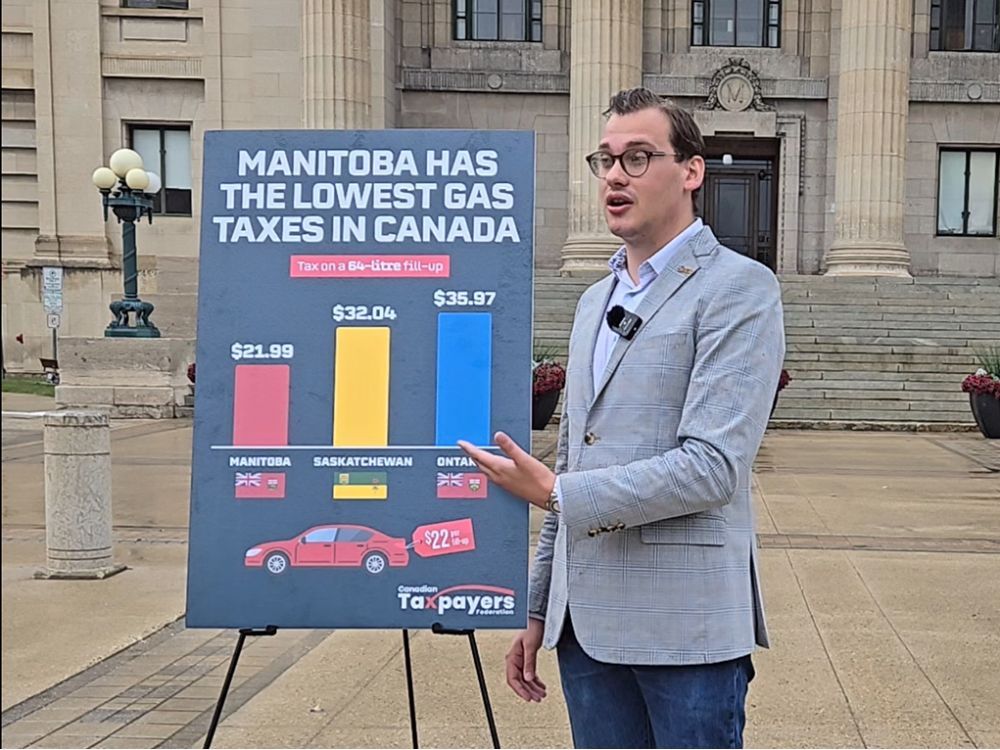
Saskatchewan is grappling with a significant debt crisis as government overspending continues to escalate. Premier Scott Moe has recently announced that the province will face a budget deficit in the upcoming fiscal report. This situation arises as provincial revenues decline, and spending remains unchecked, raising concerns about the long-term financial health of the region.
The government has faced multiple challenges, including unexpected events that impact its budget, such as pandemics and tariffs. Nonetheless, decisions regarding budget allocations and spending habits remain largely within the government’s control. Over the past few years, Saskatchewan has seen a pattern of overspending, with the government spending more than budgeted by approximately $970 million in 2024 alone. This trend has been consistent, with overspending of $2.2 billion in 2023, $1.4 billion in 2022, and $2.5 billion in 2021.
This year, the province is projected to exceed its budget by another $521 million, as reported in the mid-year financial review, with an additional $650 million allocated through special warrants primarily for health care. While investing in essential services is crucial, the reliance on taxpayer funds without addressing underlying budgetary issues only exacerbates the problem.
The consequence of this continued overspending is rising provincial debt, which has more than doubled under Moe’s leadership. By the end of 2023, Saskatchewan’s debt is expected to reach $23.9 billion. Consequently, the government is now facing record-high interest charges on this debt, estimated at approximately $878 million for the current year. Since 2017, spending on debt interest has surpassed $5 billion, diverting funds that could otherwise support vital public services such as healthcare, education, and infrastructure.
As the province’s financial situation deteriorates, the potential for tax increases looms large. With dwindling resources, the government may resort to seeking additional revenue from taxpayers, further straining household budgets. Many residents manage their finances by maintaining emergency funds and addressing debts proactively. In contrast, the provincial government has lacked a coherent plan to manage its fiscal responsibilities.
Looking ahead, Budget 2026 presents an opportunity for the government to introduce a comprehensive strategy to rein in spending and address the burgeoning debt. A thorough spending review could uncover potential savings, similar to initiatives undertaken by former Prime Minister Jean Chrétien‘s government in the 1990s, which identified $9.8 billion in reductions. Similarly, the government of Newfoundland and Labrador found over $860 million in savings through its own review in 2021.
It is imperative for Premier Moe to present a clear plan in the forthcoming budget that not only curbs excess spending but also sets a path toward reducing the province’s debt. Without decisive action, Saskatchewan may find itself in a cycle of increasing debt and financial instability, burdening future generations with the consequences of today’s fiscal mismanagement.

Meta Plans Major Layoffs as AI Costs Surge

Alberta’s Referendum Could Pave Way for U.S. Statehood

Minooka District 201 Plans Enhanced Bilingual Support for Students

Canmore Approves Multiple Development Permits for New Projects

Remembering Bradly Castillo Shearsmith: A Life of Friendship and Joy

BIS Urges Watchdogs to Integrate Synthetic Risk Transfers in Stress Tests

Teva Transforms: Shifting Focus from Generics to Branded Success

Apple Launches AirPods Max 2 with Enhanced Audio Features

Ontario Ends Funding for Seven Supervised Injection Sites

Toyoake City Proposes Daily Two-Hour Smartphone Use Limit

Pedestrian Fatally Injured in Esquimalt Collision on August 14

B.C. Review Reveals Urgent Need for Rare-Disease Drug Reforms

Dark Adventure Game “Bye Sweet Carole” Set for October Release

Konami Revives Iconic Metal Gear Solid Delta Ahead of Release

Victoria’s Pop-Up Shop Shines Light on B.C.’s Wolf Cull

Jimmy Lai’s Defense Challenges Charges Under National Security Law

Snapmaker U1 Color 3D Printer Redefines Speed and Sustainability

Apple Expands Self-Service Repair Program to Canada
-
 Science11 months ago
Toyoake City Proposes Daily Two-Hour Smartphone Use Limit
-
 Top Stories11 months ago
Pedestrian Fatally Injured in Esquimalt Collision on August 14
-
 Health11 months ago
B.C. Review Reveals Urgent Need for Rare-Disease Drug Reforms
-
 Technology11 months ago
Dark Adventure Game “Bye Sweet Carole” Set for October Release
-
 Technology11 months ago
Konami Revives Iconic Metal Gear Solid Delta Ahead of Release
-
 Lifestyle11 months ago
Victoria’s Pop-Up Shop Shines Light on B.C.’s Wolf Cull
-
 World11 months ago
Jimmy Lai’s Defense Challenges Charges Under National Security Law
-
 Technology11 months ago
Snapmaker U1 Color 3D Printer Redefines Speed and Sustainability
-
 Technology11 months ago
Apple Expands Self-Service Repair Program to Canada
-

 Technology11 months ago
AION Folding Knife: Redefining EDC Design with Premium Materials
-

 Technology11 months ago
Solve Today’s Wordle Challenge: Hints and Answer for August 19
-

 Business11 months ago
Gordon Murray Automotive Unveils S1 LM and Le Mans GTR at Monterey