
Business
Logging Roads: The Backbone of Northern Ontario’s Economy

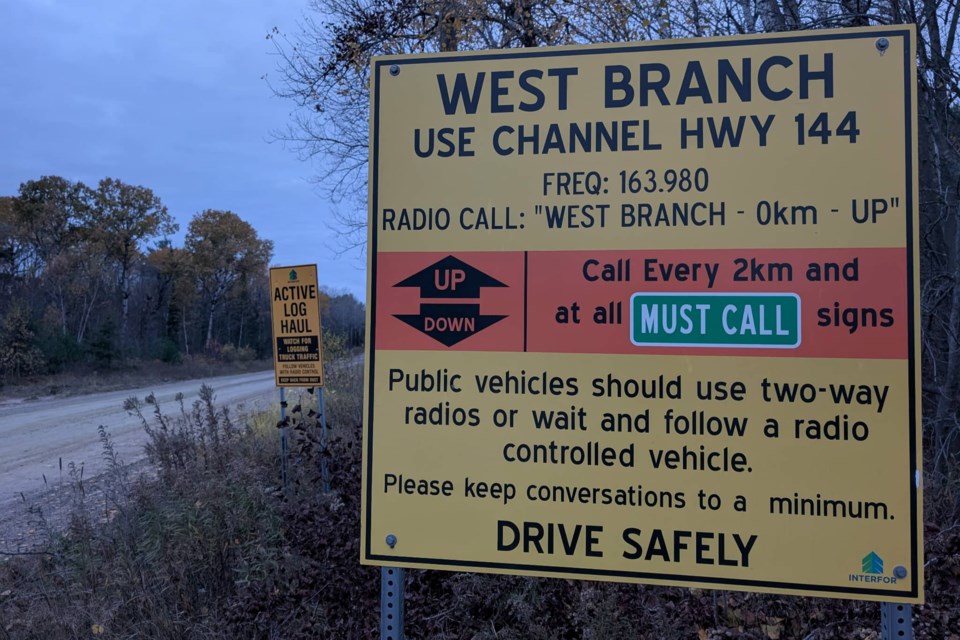
Logging roads in northern Ontario serve as a critical infrastructure, underpinning the regional economy and providing essential access to Crown land. In 2023, the province’s forest industry contributed approximately $5.4 billion to Ontario’s Gross Domestic Product (GDP) and generated $21.6 billion in revenue. The sector supports around 128,000 jobs, many of which are based in Indigenous, rural, and northern communities.
Catherine Fife, New Democratic Party Member of Provincial Parliament for Waterloo and Shadow Minister for Economic Development, emphasized the importance of the forestry sector, stating, “Ontario’s forestry sector is vital to the provincial economy, providing thousands of jobs directly, supplying the lumber that builds our homes, and supporting construction and manufacturing jobs.” Fife highlighted the need for tariff relief and modernization investments to keep Ontario lumber in provincial homes.
The Ontario Forest Industries Association (OFIA) underscores the importance of logging roads beyond forestry. Adrian Smith, OFIA Policy Advisor, remarked that these roads represent vital infrastructure for all Ontarians. “Each year, forestry companies invest millions of dollars in grading, resurfacing, bridge and culvert upkeep, and winter snow clearing to keep this extensive network safe and reliable,” Smith said. She noted that logging roads are critical economic lifelines, facilitating the transport of logs to pulp mills and sawmills, often with minimal use of paved highways.
The responsibility for constructing and maintaining these roads falls to holders of Sustainable Forest Licences (SFL) and Forest Resource Licences (FRL). According to Kavithaa Kandasamy, Editor/Writer at the Ministry of Northern Development, Mines, Natural Resources and Forestry (MNDMNRF), these license holders manage Crown forest areas for up to 20 years under approved forest management plans. “The Provincial Forest Access Roads Funding Program reimburses the forest industry for the government’s proportional share of the costs to build and maintain public access roads in Crown forests,” Kandasamy stated. The program supports over 19,300 kilometres of forest access roads annually and has provided more than $1 billion in funding since its inception.
Logging roads also play a crucial role in sustainable forest management. The Crown Forest Sustainability Act (1994) mandates preparation of a Forest Management Plan (FMP) for Crown forest operations, dictating maintenance standards for the roads used to access harvest blocks. These forest roads are classified as public highways, which highlights their significance for both industry and public use.
Various types of logging roads exist, including primary, branch, and operational roads. Primary roads provide principal access to management units and are usually permanent, while operational roads are short-term and often not maintained after use. The public benefits from these roads for recreation, hunting, and more, but access may be restricted for safety or environmental reasons.
Scott McPherson, an analyst with the Forest Resource Management Group, noted the dual purpose of logging roads, stating, “They provide the essential arteries to move wood to mills and workers and machinery to work sites, as well as providing access for forest renewal activities.” He emphasized that these roads are integral to the region’s infrastructure, catering to various users, including tourists and recreational enthusiasts.
The economic implications of maintaining logging roads are significant. Primary roads can cost between $35,000 and $50,000 per kilometre to build, while branch roads range from $12,000 to $20,000 per kilometre. The investment in this infrastructure supports not only the forest industry but also tourism and recreation, enhancing the overall economy in northern Ontario.
George Graham, a former owner of Thunderhouse Forestry, highlighted the multifaceted roles of logging roads. “Reforestation is to regrow the forest we want for the future,” he stated. Roads are essential for transporting seedlings, assessing tree health, and implementing necessary forest management practices, particularly as climate change poses challenges to forest health.
Public use of logging roads is permitted on Crown land, provided they are not restricted due to ongoing resource extraction or wildlife management objectives. John McNutt, Woodlands Manager for Goulard Lumber, advised that while the public can access these roads, they must do so at their own risk. “Unlike city or highway roads, forest access roads are built to a lower standard and maintained less frequently,” he cautioned.
As the discussion on the role of logging roads continues, it is evident that these routes are more than just pathways; they are vital arteries that support the economy, facilitate recreation, and contribute to sustainable forest management. The future of logging roads in Ontario will depend on balancing industrial needs with public access and environmental stewardship.

Meta Plans Major Layoffs as AI Costs Surge

Alberta’s Referendum Could Pave Way for U.S. Statehood

Minooka District 201 Plans Enhanced Bilingual Support for Students

Canmore Approves Multiple Development Permits for New Projects

Remembering Bradly Castillo Shearsmith: A Life of Friendship and Joy

BIS Urges Watchdogs to Integrate Synthetic Risk Transfers in Stress Tests

Teva Transforms: Shifting Focus from Generics to Branded Success

Apple Launches AirPods Max 2 with Enhanced Audio Features

Ontario Ends Funding for Seven Supervised Injection Sites

Toyoake City Proposes Daily Two-Hour Smartphone Use Limit

Pedestrian Fatally Injured in Esquimalt Collision on August 14

B.C. Review Reveals Urgent Need for Rare-Disease Drug Reforms

Dark Adventure Game “Bye Sweet Carole” Set for October Release

Konami Revives Iconic Metal Gear Solid Delta Ahead of Release

Victoria’s Pop-Up Shop Shines Light on B.C.’s Wolf Cull

Jimmy Lai’s Defense Challenges Charges Under National Security Law

Snapmaker U1 Color 3D Printer Redefines Speed and Sustainability

Apple Expands Self-Service Repair Program to Canada
-
 Science12 months ago
Toyoake City Proposes Daily Two-Hour Smartphone Use Limit
-
 Top Stories12 months ago
Pedestrian Fatally Injured in Esquimalt Collision on August 14
-
 Health12 months ago
B.C. Review Reveals Urgent Need for Rare-Disease Drug Reforms
-
 Technology12 months ago
Dark Adventure Game “Bye Sweet Carole” Set for October Release
-
 Technology12 months ago
Konami Revives Iconic Metal Gear Solid Delta Ahead of Release
-
 Lifestyle12 months ago
Victoria’s Pop-Up Shop Shines Light on B.C.’s Wolf Cull
-
 World12 months ago
Jimmy Lai’s Defense Challenges Charges Under National Security Law
-
 Technology12 months ago
Snapmaker U1 Color 3D Printer Redefines Speed and Sustainability
-
 Technology12 months ago
Apple Expands Self-Service Repair Program to Canada
-

 Technology12 months ago
AION Folding Knife: Redefining EDC Design with Premium Materials
-

 Technology12 months ago
Solve Today’s Wordle Challenge: Hints and Answer for August 19
-

 Business12 months ago
Gordon Murray Automotive Unveils S1 LM and Le Mans GTR at Monterey