
Business
Netflix’s $72 Billion Bid for Warner Bros. Faces Major Hurdles

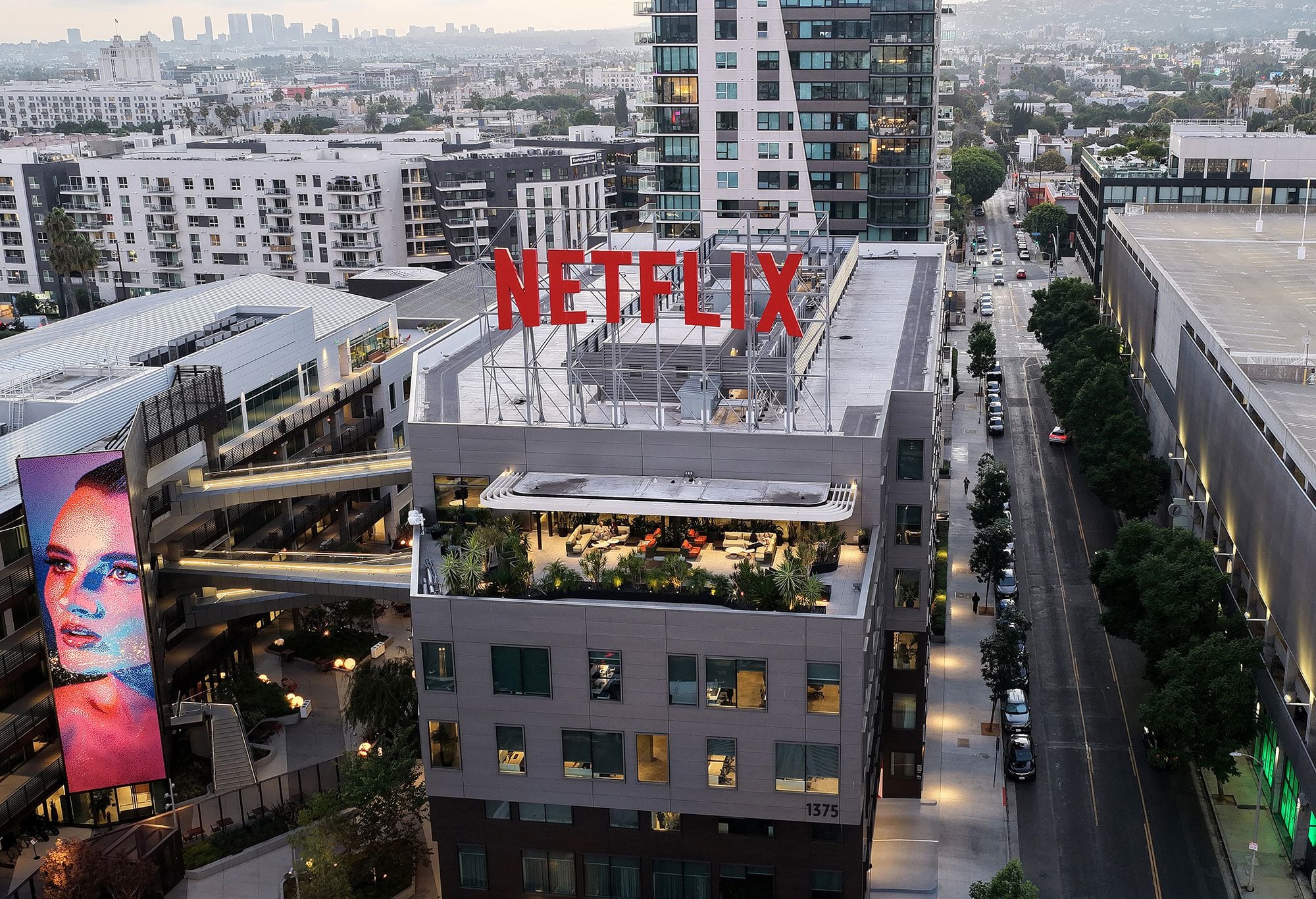
Netflix has made a bold move by offering a staggering $72 billion to acquire Warner Bros. and HBO, a deal that could significantly reshape the entertainment landscape. This proposed merger has prompted discussions about antitrust implications, as it would combine two of the world’s largest streaming platforms, potentially altering competitive dynamics in the industry.
The streaming market is undergoing rapid changes, driven by evolving consumer preferences and the rise of tech competitors like YouTube and TikTok. Hollywood is grappling with these shifts, acknowledging a pressing need for adaptation, which may include consolidation of resources. Netflix argues that merging with Warner Bros. and HBO would enhance opportunities within the industry, leveraging Warner’s extensive intellectual property to create content that Warner Bros. Discovery alone might not produce. This merger could also expand HBO’s audience beyond its current niche, thereby generating more funds for high-quality productions.
Antitrust regulators are likely to scrutinize the merger closely, considering whether it might hinder competition and adversely affect consumers. The combination of Netflix, the leading streaming service, and HBO Max, the third-largest, would push the new entity’s market share beyond the 30% threshold set by the US Department of Justice’s latest antitrust guidelines from 2023.
Herbert Hovenkamp, an antitrust law professor at the University of Pennsylvania, expressed concerns, stating, “It looks challengeable.” He pointed out that the current administration’s guidelines differ from previous ones, meaning this proposed merger could face significant legal challenges.
The political landscape further complicates matters. While the Republican Party has traditionally supported corporate mergers, figures like Missouri Senator Josh Hawley and Utah Senator Mike Lee have voiced skepticism about the merger’s implications, calling for vigilance from antitrust enforcers. Additionally, Vice President JD Vance, who has praised former antitrust regulators, may influence the discourse surrounding the deal.
Global regulatory bodies, especially in Europe, may also raise objections given both companies’ substantial international operations. Competitor Paramount, which had previously been considered a frontrunner for acquiring Warner Bros. Discovery, has argued that regulators are unlikely to permit Netflix to expand its market dominance further.
As Netflix prepares its case for the merger, it emphasizes its advanced algorithms and deep understanding of viewer preferences. The company aims to convince regulators that the acquisition is driven by operational efficiencies rather than a desire for increased dominance. “Antitrust enforcers will want to understand why Netflix is doing this deal at all,” noted Doha Mekki, a former acting assistant attorney general for the Department of Justice’s antitrust division. She highlighted that regulators will assess whether the merger would empower Netflix over creators, distribution channels, and consumers.
The impact of this potential merger extends beyond market competition. The shift in Hollywood towards streaming has already transformed traditional business practices. Shortened theatrical exclusivity periods and reduced production costs have adversely affected employment for numerous industry professionals, including writers and crew members. Unions representing these workers have raised alarms that a Netflix acquisition could exacerbate these trends.
In response to these concerns, Netflix has committed to maintaining theatrical releases for Warner Bros. films. Nevertheless, worker advocates fear that Netflix’s streaming-centric model could undermine competition and lead to significant job losses. The Writers Guild of America has voiced strong opposition, stating, “The world’s largest streaming company swallowing one of its biggest competitors is what antitrust laws were designed to prevent.”
While antitrust reviews traditionally focus on consumer harm, there is precedent for considering the implications for workers. A notable example is the Justice Department’s successful challenge against Penguin Random House’s attempted acquisition of Simon & Schuster, which emphasized the impact on authors rather than consumers.
The political climate may also play a significant role in the merger’s fate. Insiders speculate that political motivations could influence antitrust enforcement decisions. Hovenkamp expressed concern over potential political interference, citing past instances where corporate entities sought regulatory approval through political connections.
As negotiations unfold, the situation remains fluid. Paramount is reportedly contemplating a bid to present to Warner Bros. Discovery shareholders, arguing that its proposal would face fewer regulatory obstacles compared to Netflix’s.
The outcome of this high-stakes scenario will not only determine the future of Netflix and Warner Bros. but could also reshape the broader entertainment industry landscape. With so much at stake, antitrust regulators are poised to take a closer look at the implications of this monumental merger.

Meta Plans Major Layoffs as AI Costs Surge

Alberta’s Referendum Could Pave Way for U.S. Statehood

Minooka District 201 Plans Enhanced Bilingual Support for Students

Canmore Approves Multiple Development Permits for New Projects

Remembering Bradly Castillo Shearsmith: A Life of Friendship and Joy

BIS Urges Watchdogs to Integrate Synthetic Risk Transfers in Stress Tests

Teva Transforms: Shifting Focus from Generics to Branded Success

Apple Launches AirPods Max 2 with Enhanced Audio Features

Ontario Ends Funding for Seven Supervised Injection Sites

Toyoake City Proposes Daily Two-Hour Smartphone Use Limit

Pedestrian Fatally Injured in Esquimalt Collision on August 14

B.C. Review Reveals Urgent Need for Rare-Disease Drug Reforms

Dark Adventure Game “Bye Sweet Carole” Set for October Release

Konami Revives Iconic Metal Gear Solid Delta Ahead of Release

Victoria’s Pop-Up Shop Shines Light on B.C.’s Wolf Cull

Jimmy Lai’s Defense Challenges Charges Under National Security Law

Snapmaker U1 Color 3D Printer Redefines Speed and Sustainability

Apple Expands Self-Service Repair Program to Canada
-
 Science11 months ago
Toyoake City Proposes Daily Two-Hour Smartphone Use Limit
-
 Top Stories11 months ago
Pedestrian Fatally Injured in Esquimalt Collision on August 14
-
 Health11 months ago
B.C. Review Reveals Urgent Need for Rare-Disease Drug Reforms
-
 Technology11 months ago
Dark Adventure Game “Bye Sweet Carole” Set for October Release
-
 Technology11 months ago
Konami Revives Iconic Metal Gear Solid Delta Ahead of Release
-
 Lifestyle11 months ago
Victoria’s Pop-Up Shop Shines Light on B.C.’s Wolf Cull
-
 World11 months ago
Jimmy Lai’s Defense Challenges Charges Under National Security Law
-
 Technology11 months ago
Snapmaker U1 Color 3D Printer Redefines Speed and Sustainability
-
 Technology11 months ago
Apple Expands Self-Service Repair Program to Canada
-

 Technology11 months ago
AION Folding Knife: Redefining EDC Design with Premium Materials
-

 Technology11 months ago
Solve Today’s Wordle Challenge: Hints and Answer for August 19
-

 Business11 months ago
Gordon Murray Automotive Unveils S1 LM and Le Mans GTR at Monterey